
Sunflower Leaf Damage: Cosmetic Insect Feeding vs. Real Problems
Sunflower Holes and Brown Spots: Usually Not Serious Sunflowers with chewed leaves and brown discoloration are typically experiencing normal insect herbivory—not a crisis requiring treatment. Context Matters Ornamental

Gumbo Limbo Psocids: Harmless Barklice Need No Treatment
Psocids on Gumbo Limbo: Benign Barklice A gumbo limbo (Bursera simaruba) with psocids (barklice) on one branch has harmless scavengers requiring no treatment. Psocid Facts Tiny (1–2 mm), soft-bodied, often gregarious.
Blood Orange Leaf Curl: Insect Pest Diagnosis
Curling New Growth on Blood Orange: Insect Investigation A blood orange (Citrus × sinensis Moro) in Henderson, NV with curled new leaves and fruit drop has insect pest damage on the tender flush. Citrus Leaf Curl = Inse
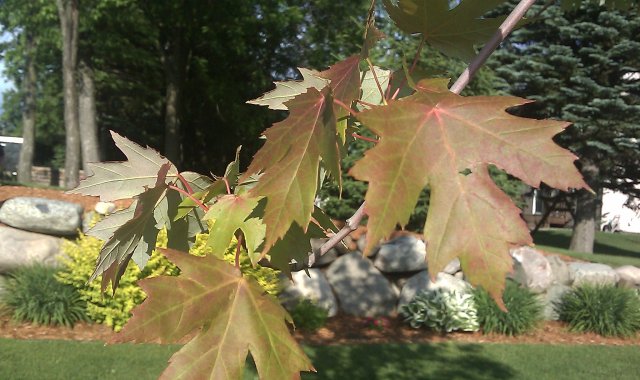
Autumn Blaze Maple Early Color: Water Management Diagnosis
Autumn Blaze Maple Premature Fall Color: Too Wet or Too Dry? A 3-year-old Autumn Blaze maple turning early for two years—in a drainage collection area with sprinklers—has water stress (likely excess) mimicking fall senes
Holly Scale Infestation: White Cocoons, Black Soot, and Oil Treatment
Severe Scale on 20 Holly Bushes: Identification and Eradication Hollies with black powder (sooty mold), white cocoons on leaf undersides turning to powder, tan bumps that squirt clear fluid, and flying insects have a hea
Pin Oak Slime Flux: Bacterial Wetwood Management
Large Pin Oak with Foamy, Yeasty Trunk Ooze A 35-inch DBH pin oak (Quercus palustris) with a 2-inch hole at 3 feet oozing foamy, yeasty-smelling fluid has slime flux (bacterial wetwood)—a common, manageable condition. W
Shrub Decline: Lichens, Fungal Fruiting Bodies, and End-of-Life Signs
Diagnosing an Old Shrub with White Patches and Brown Growths An aging shrub with tiny white patches on limbs, ½-inch layered brown growths, dead limbs, and sparse new growth shows end-of-life decline with secondary colon
Pecan Red Kernels and Casebearer Larvae: Spray Schedule Necessity
Red Pecan Kernels = Pecan Nut Casebearer Damage An older pecan (Carya illinoinensis) dropping nuts with red kernels and a squished tick insect inside has pecan nut casebearer (Acrobasis nuxvorella) larvae—the red color i
Maple Trunk White Powder: Cuticular Wax vs. Pest Identification
White Powder on Acer Trunk: Natural or Pest? A 10-year-old maple (Acer spp.) with white powder on stems likely has natural cuticular wax—not a problem. Cuticular Wax Facts Plant-produced waxy coating on stems/leaves. F
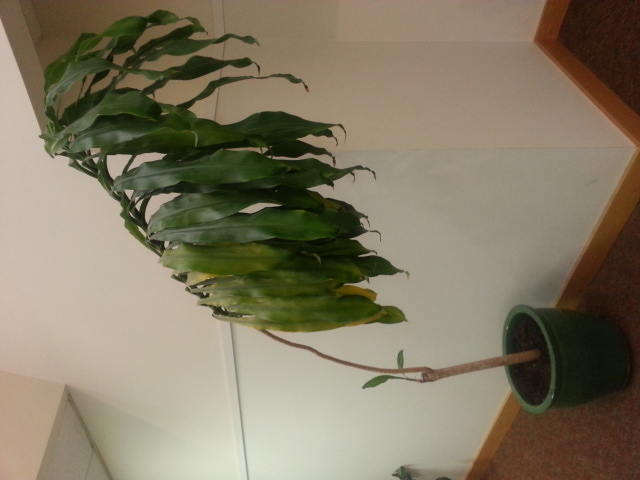
Schefflera Scale Infestation: Honeydew, Sticky Spots, and Natural Control
15-Year-Old Schefflera with Sticky White Spots: Scale Insects A long-lived schefflera (Schefflera arboricola) with progressive white, fuzzy, sticky spots and kills nearby plants has scale insects (mealybugs or soft scale
Autumn Blaze Maple Bark Split: Sunscald, Frost Crack, and Recovery
Young Maple Bark Splitting: Structural Injury Management A 2–3 year old Autumn Blaze maple (Acer × freemanii Autumn Blaze) with a gaping west-side bark split and curling/browning leaves has sunscald/frost crack injury di
Tricolor Beech Wet Spring Recovery: Drainage and Patience
Tricolor Beech Stress After Extreme Wet Spring A 5-year-old tricolor beech (Fagus sylvatica Purpurea Tricolor) in Missouri with curled, sickly leaves after a record-wet spring is suffering from waterlogged soil stress.
Navel Orange Internal Black Rot: Alternaria Fruit Rot
Identifying Black Cavity in Navel Orange A perfect-looking navel orange with a 1-inch black area inside near the rind has Alternaria fruit rot (black rot)—a fungal disease affecting the fruit interior. Alternaria Fruit
Hydrangea Leaf Spots: Cercospora vs. Anthracnose Identification
Distinguishing Two Common Hydrangea Leaf Spots Hydrangeas with brown spots—small scattered vs. large edge spots—likely have one of two fungal diseases requiring different management. Disease 1: Cercospora Leaf Spot Sym
Plum Tree Leaf Curl and Eggs: Beneficial vs. Pest Identification
Plum Tree Mystery: Eggs, Tiny Flies, and Curling Leaves A Toka plum with greenish eggs on leaf undersides, tiny flies, and deformed new growth needs professional on-site identification—the eggs and flies could be benefic
Powdery Mildew on 150 Roses: Horticultural Oil Breakthrough
Beating Epidemic Powdery Mildew on a Large Rose Collection A one-acre garden with 150+ roses, two chitalpas, and recurring powdery mildew despite fungicides, arborist sprays, and massive investment needs a strategy chang
Multiple Tree Decline: Red Maple, Rhododendron, Magnolia, Japanese Maples
Investigating a Multi-Species Decline in Washington State A property with a dead red maple, struggling rhododendron, declining magnolia, and Japanese maples with white trunk spots suggests a site-wide issue rather than i
Meyer Lemon Fruit Scarring: Insect Identification and Pre-Harvest Timing
Diagnosing Scarring on Meyer Lemon Fruit Meyer lemon (Citrus × meyeri) fruit with small scrapes on the rind has insect feeding damage—not disease. Likely Culprits Snails/slugs: Rasping mouthparts create scrapes. Leave
Crabapple Fire Blight: Advanced Pathogen Biology and Cultural Controls
Deep-Dive Fire Blight Management for High-Value Crabapple A 4-year fire blight battle on a susceptible crabapple requires understanding the pathogens life cycle to time interventions precisely. Fire Blight Biology Essen
Crabapple Fire Blight: Intensive Management for a Beloved Tree
Four-Year Fire Blight Battle on a Crabapple A cherished crabapple (Malus spp.) surviving 4 years of fire blight (Erwinia amylovora) with professional pruning and spraying is unusually persistent—most succumb quickly. Wh
Copyright © www.100flowers.win Botanic Garden All Rights Reserved