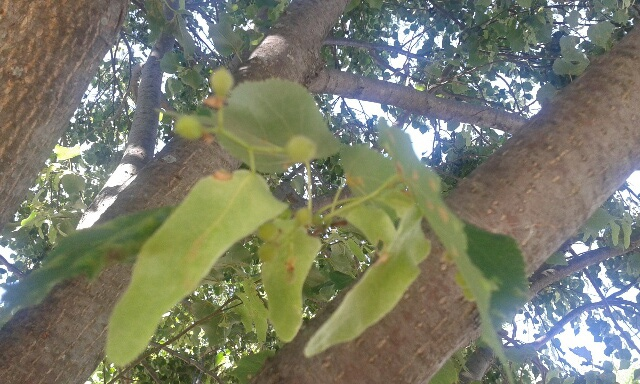


Boston Ivy Wilting: Mystery Bubbles and Organic Recovery
A 20-year-old Boston ivy covering a brick home suddenly wilted across half the vine. In early May, tiny milky, semi-translucent bubbles appeared on stems. Water sprays removed many, but wilting progressed. Expert Diagno

Western Yew Yellowing with Bark Holes: Sapsucker Damage, Not Insects
A western yew in New Jersey shows yellowing leaves and rows of small holes in the bark, suggesting insect borers. However, the hole pattern—neat, organized rows—is classic sapsucker (woodpecker) damage. Identifying Saps
White Spots on Apricot Leaves: Water or Nutrient Issue?
An apricot tree shows white spots along leaf veins radiating from the midrib, spreading across the leaf underside. The tree is 15–20 feet tall in moderate sunlight. Possible Causes Drawing from citrus experience, the ex
Why Your Pistachio Tree Has Hollow Nuts: Pollination and Care Essentials
After researching pistachio biology, the expert confirmed that a 10-year-old tree is at the onset of production age (7–10 years). However, the persistent absence of nuts inside shells strongly indicates a missing male po
Pistachio Trees Producing Empty Shells: The Missing Male Pollinator
A 10-year-old pistachio tree yielding hollow nuts for 4–5 years points to a fundamental reproductive requirement: pistachio trees are dioecious, meaning separate male and female trees are needed for pollination. One male
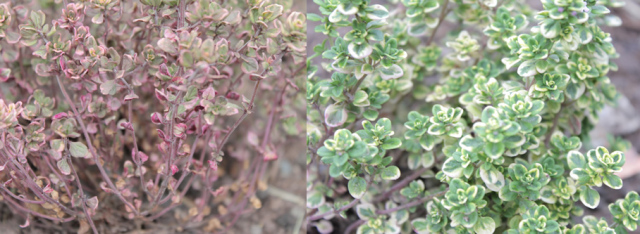
Mystery Pink Coloration on Lemon Thyme: Environmental Stress, Not Disease
A gardener noticed an unusual pink, dust-like coating spreading across one lemon thyme plant, accompanied by withering leaves. Initially dismissed as a cosmetic issue, the spread prompted concern about pests or disease.
Troubleshooting Brown, Drying Leaves on Yellow Holly Bushes
Yellow holly bushes adding a splash of color to the landscape can be alarming when their leaves turn brown and crispy, especially when the soil feels moist. A gardener recently reached out about this exact issue, suspect
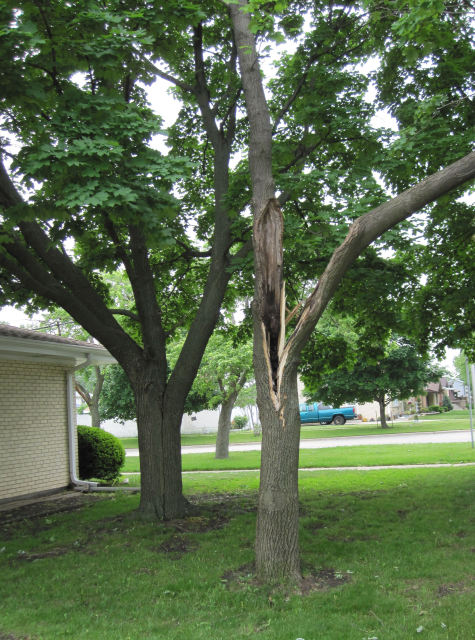
Maple Storm Damage: Internal Decay, Carpenter Ants, and Structural Risk
Storm-Split Maple Reveals Advanced Internal Decay A maple split by storm winds exposing black, decaying heartwood with carpenter ants has long-standing internal decay—the storm just revealed it. Storm-revealed heartwo
Forsythia Saturated Soil Decline: Drainage and Renovation
Forsythia Hedge Dying from Prolonged Saturation A forsythia (Forsythia × intermedia) hedge on a slope with upper-section dieback after weeks of saturated soil has waterlogging injury—forsythias #1 intolerance. Why Forsy
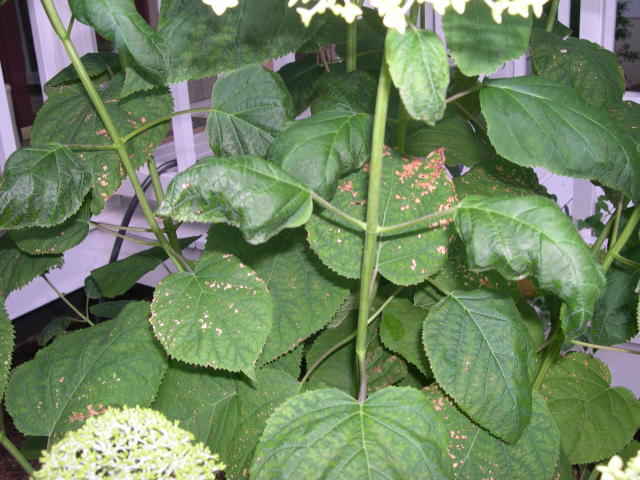
Hydrangea Leaf Spots: Injury vs. Cercospora Re-evaluation
Hydrangea Spots Re-assessed: Environmental Injury, Not Cercospora A hydrangea with brown spots in a uniform pattern and leaf curling—initially diagnosed as Cercospora—is actually showing environmental/contact injury base
Sago Palm Scale: Black Soot, White Bumps, and Oil Cleanup
Sago Palm Cycad Scale: Rapid Black Soot and Frond Death A sago palm (Cycas revoluta) in partial shade with dying fronds and black film has cycad scale (Aulacaspis yasumatsui) or related armored scale—aggressive and damag
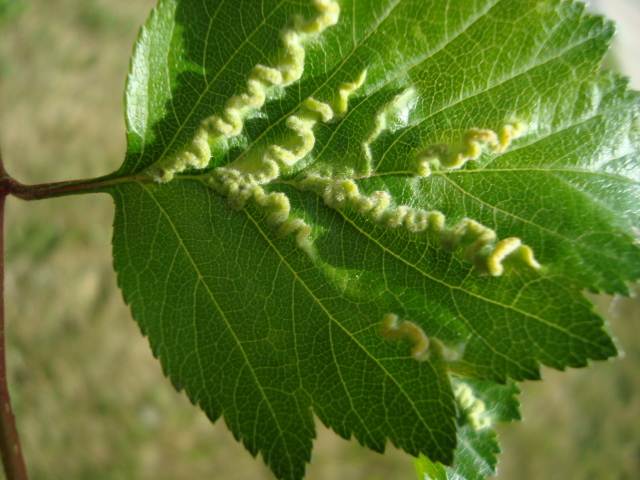
Hawthorn Leaf Galls: Mite-Caused Cosmetic Bumps
Fuzzy Squiggles on Hawthorn Leaves: Eriophyid Mite Galls A hawthorn (Crataegus spp.) in Edmonton (Zone 3b) with fuzzy squiggles on terminal leaves has eriophyid mite galls—cosmetic, not harmful. Eriophyid mite galls o
African Sumac Dieback: Upper Crown Death and Surgical Pruning
African Sumac Top Death: Disease or Environmental? A 3-year-old African sumac (Rhus lancea) with healthy lower multi-trunk growth but dead, brittle top crown has crown dieback—likely disease or environmental stress in th
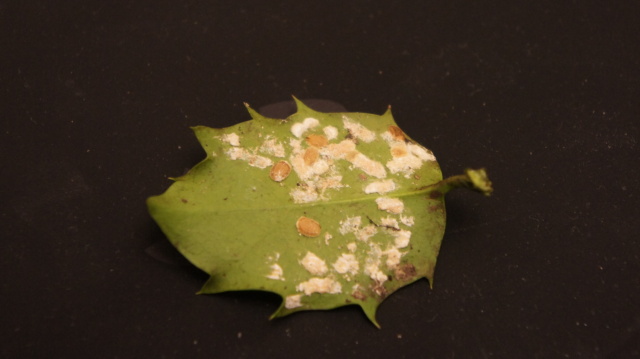
Holly Scale Infestation: Black Soot, White Egg Sacs, and Oil Eradication
Classic Scale on Holly: Textbook Case with Clear Solution Hollies with black powder (sooty mold), white scaly spots on leaf undersides, tan bumps squirting clear fluid = heavy scale infestation (likely multiple species).
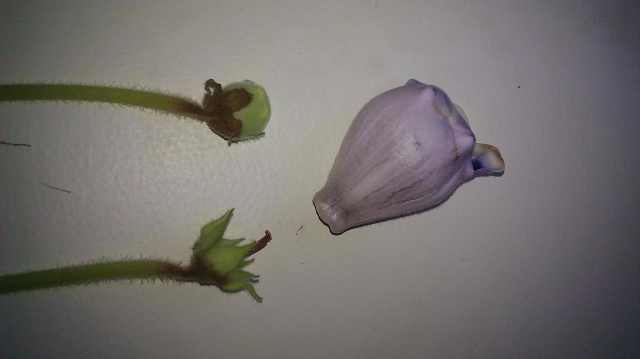
Gloxinia Rest Period: Dormancy Requirements for Reblooming
Gloxinia Bloom Failure: The Mandatory Rest Period A gloxinia (Sinningia speciosa) that blooms heavily then stops opening buds, with flowers turning brown and round, is entering its required dormancy—not dying. Gloxini
Lilac in California: Humidity, Leaf Miner, and Pruning Rules
Growing Lilacs in Californias Climate: Challenges and Solutions A 3-year-old lilac (Syringa vulgaris) in California with curled leaves, short bloom, and spindly growth faces climate mismatch—lilacs prefer cold winters, d
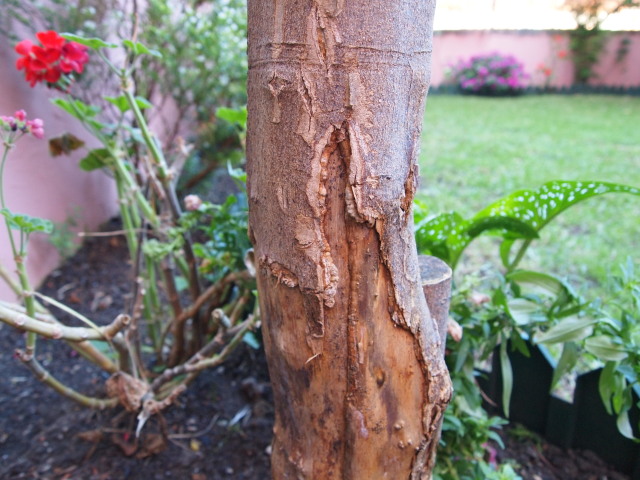
Lemon Tree Bark Loss: Internal Decay and Girdling Risk
Lemon Tree with Expanding Bark Loss: Serious Structural Decline A lemon tree (Citrus limon) in Spain with a 4×6 inch bark patch that fell off, now expanding upward with new leaves/flowers attempting to grow, has internal
Grape Leaf Curl: Aphid, Scale, or Water Stress Diagnosis
Curling Grape Leaves: Insect Infestation Most Likely Grape vine (Vitis spp.) leaves curling under almost always indicates sap-sucking insects on leaf undersides. Top Suspects (Check Undersides!) Aphids: Clusters on new
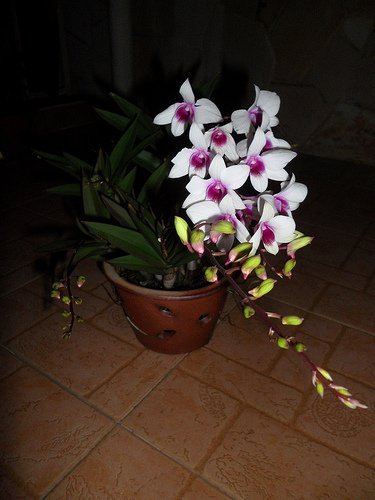
Dendrobium Orchid Identification: Enobi Purple Splash and Relatives
Identifying a Prolific Dendrobium Orchid A 4-year-old dendrobium with spectacular blooms resembles several species/hybrids in the Dendrobium genus. Prolific dendrobium bloom spike Closest Visual Matches Dendrobium
Jasmine Blooming Success: Sharing Beauty and Fragrance
Celebrating Jasmine Blooms: Single and Double Petal Varieties Single-petal and double-petal jasmine (Jasminum spp.) in bloom represent successful culture of these beloved fragrance plants. Jasmine Growing Keys Light: B
Copyright © www.100flowers.win Botanic Garden All Rights Reserved