


Supporting bees means providing nectar and pollen from early spring through fall. Arty Schronce (GA Dept. of Agriculture) recommends this extensive list:
Cornelian cherry dogwood, flowering quince, pussy willow, serviceberry, redbud, black locust, lilac, catalpa, false indigo bush, red maple, titi, blueberry, tulip poplar, Japanese flowering apricot, Chickasaw plum, gallberry, American holly, yaupon, sourwood, chaste tree, cabbage palmetto, dwarf palmetto, witch hazel, persimmon, American basswood, littleleaf linden, wild cherry, buttonbush, glossy abelia, sumac, bottlebrush buckeye, crabapple, tupelo, elderberry, blackhaw, possumhaw, native azaleas/rhododendrons, blackberry, clethra, rosemary.
Clover, bee balm, hoary mountain mint, Eastern prickly pear, sunflower, native asters, tithonia, goldenrod, mollypop, butterflyweed, anise hyssop, zinnia, purple coneflower, blue mistflower, lemon balm, great blue lobelia, sedum, Russian sage, liatris, phlox.
Plant in drifts for efficient foraging. Avoid pesticides. See “Bee Conservation in the Southeast” for more.
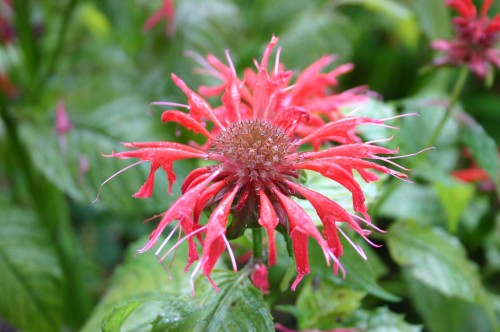
Bee balm (Monarda) is a top perennial for pollinators.
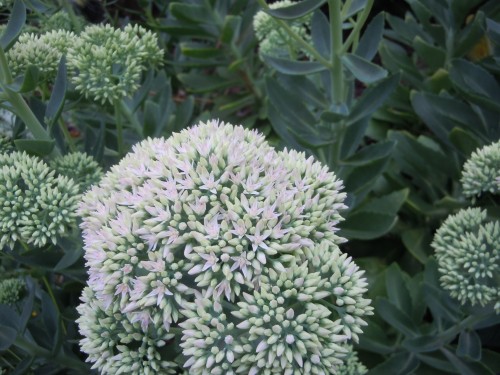
Sedum provides late-season nectar.
Bee Balm Powdery Mildew: Cultural Control First, Fungicide If Needed
Carpenter Bee Damage to Cedar Fascia: Cover, Don't Replace
Water-Tolerant Plants for Poorly Drained Landscape Areas
Outdoor Schefflera in Florida: Consult Local Experts
Bee-Friendly Bloom Calendar for Hive Management
Best Plants for Wet Spots: Turning an AC Drain Area into a Garden
Butterfly Gardening: Host Plants for Caterpillars, Nectar for Adults
Sun-Loving, Winter-Interest Plants for Gold Country, California
Shade Perennials for Clay Soil in Wisconsin
Creating a Low-Maintenance Garden Bed in Sandy, Weedy, Sunny Conditions
Lantana Camara 'Luscious Citrus Blend': A Colorful Garden Favorite
Northwest Native Landscaping: Eco-Regional Design for Beauty & Resilience
Giant Resin Bee: A Beneficial Squatter in Carpenter Bee Holes
Pollinator Pots: Container Gardens for Bees, Butterflies, and Hummingbirds
Copyright © www.100flowers.win Botanic Garden All Rights Reserved