


Growing up, Mrs. Mabel Prayor's warnings carried as much weight as my parents' commands. She'd shout from the back door, "Walter, stop feeding those berries to your brother! They're poison!" How she knew I was hiding behind the house force-feeding nandina berries to my brother remains a mystery, as does her belief that all colorful berries were deadly—while she enjoyed a pinch of Bruton's snuff.
Years of horticulture work finally eased my fear of bright berries. Nandina berries aren't particularly dangerous, nor are those of liriope, viburnum, or holly, though large quantities can cause stomach upset.
A gardener once asked if a live Christmas tree could poison her infant. Baby care books warned against it, recommending artificial trees instead. Recalling the poinsettia panic, I checked references and called the Georgia Poison Control Center (404-616-9000). All agreed: a live Christmas tree poses no threat. The book likely confused Canada hemlock (Tsuga canadensis) with poison hemlock (Conium maculatum), a tall weed found near swamps.
Some holiday plants are hazardous. Jerusalem cherry (Solanum pseudocapsicum) has poisonous orange or yellow fruits. Paperwhite narcissus leaves are toxic. Poinsettias, once thought poisonous, are not. Common houseplants like anthurium, caladium, dieffenbachia, and philodendron have sap that irritates tongues—keep them away from crawling children and curious puppies.
Several landscape plants are dangerous if leaves are consumed: boxwood, oleander, yew, and lily of the valley. Most poisonous leaves taste bitter, limiting accidental ingestion. Seeds from mistletoe, castor bean, and wisteria are highly toxic and appealing to children. Even edible plants have toxic parts: apple, peach, and plum seeds contain cyanide; primitive lima beans were poisonous in large amounts; rhubarb leaves are toxic though stems make delicious pie.
Some plants evolved toxins as defense against pests; others are "accidentally" poisonous through their biology. Ironically, many toxic compounds have medicinal value: morphine from poppies, aspirin from willows, digitalis from foxgloves—though overdoses can kill. Normal parental caution ("Don't eat strange things!") usually prevents harm.
More Information:
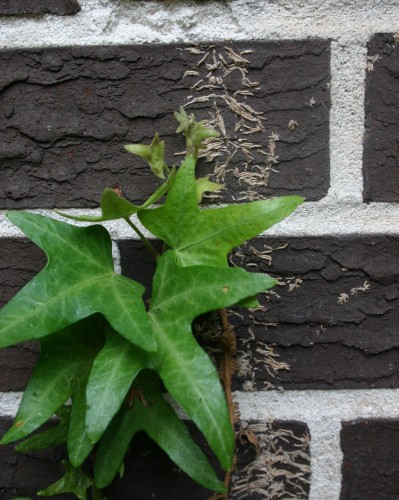
English ivy can cause headache, fever, anxiety, breathing difficulty, and coma
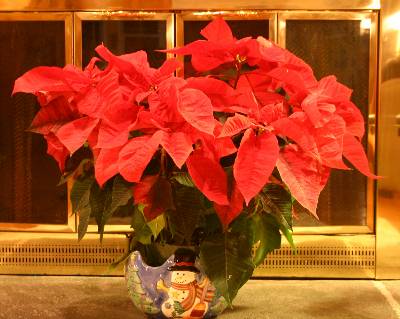
poinsettia is not particularly poisonous
Leaf Discoloration on Coco-Plum: Organic Recovery with Atomic Grow
Aspirin for Plants: Activating Natural Defense Pathways
Iron's Essential Role in Plant Growth: A Science Project Guide
Beetles, Grubs & Ants in Saudi Garden: Safe Control Options
Poisonous Houseplants: Identifying Risks for Children and Pets
Common Poisonous Houseplants to Keep Away from Kids and Pets
Poisonous Plants: Keeping Pets and Children Safe in the Garden
Thick White Fungus Around Ferns and Roses: Nuisance or Threat?
Growing Wisteria from Seed: A Complete Guide to Bonsai, Blooms, and Finding Free Plants
Caring for Established Blue Euphorbia: Watering Timing Matters
Plants Around a Chlorinated Pool: Salt Is the Real Enemy
Killing Thorny Pasture Weeds Without Harming Cattle or Grass
Copyright © www.100flowers.win Botanic Garden All Rights Reserved