


Sassafras tea was a childhood spring tonic for many—roots dug, scrubbed, simmered, and sweetened. However, research revealed safrole (the primary flavor compound) causes cancer in animal tests. The FDA banned safrole as a food additive, and consumption of sassafras tea in any amount is now cautioned against.
While the tradition holds nostalgic value, modern science advises against it. The distinctive mitten-shaped leaves make sassafras easy to identify if you encounter it in the wild.
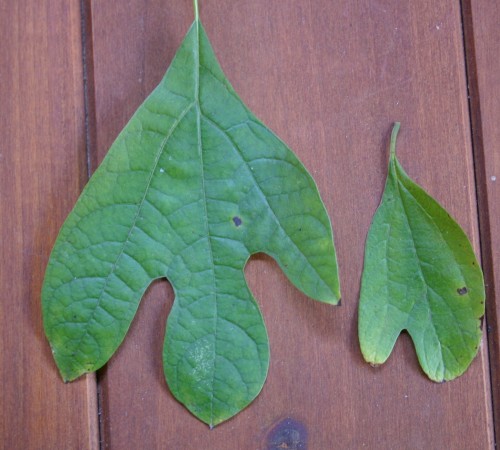
sassafras leaf
Society Garlic: Seed Collection and Deer Resistance
Lanceleaf Greenbriar: Thornless Vine with Edible Shoots
Barred Owl: The "Who Cooks for You?" Hunter
Bloody Dock (Rumex sanguineus): Ornamental or Invasive?
Creasy Greens: The Spring Tonic Wild Cress
Turtlehead (Chelone lyonii): Native Perennial for Damp Shade
Possum Grape (Ampelopsis cordata): Colorful Vine, Weedy Habit
Longleaf Pine: From Grass Stage to Bottlebrush
Rosinweed (Silphium compositum): Taprooted Native Perennial
Identifying Black Cherry Trees in the Landscape
Jatropha: Ornamental Shrub with Biodiesel Potential
Twining Snoutbean: Native Legume, Not a Weed
Copperhead Snake Identification: Venomous—Observe, Don't Touch
Copyright © www.100flowers.win Botanic Garden All Rights Reserved