


The so-called "mole plant" seeds are actually castor bean (Ricinus communis). While this plant features dramatic, tropical-looking foliage, its seeds are extremely poisonous—they contain ricin, a potent toxin associated with bioterrorism concerns.
Traditional castor oil, derived from the seeds, has a reputation as a mole deterrent, though scientific testing remains limited. One study did show a castor oil product successfully reduced mole activity. If you're dealing with moles, you can make your own repellent:
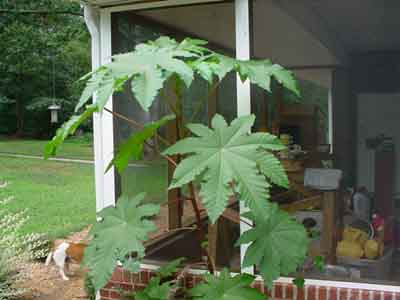
Important safety note: Keep castor bean plants and seeds away from children and pets. The ornamental value is high, but the toxicity risk is serious.
Dying Houseplant: Drooping, Browning Leaves on Unknown Species
Jasmine Plant Leaf Drop After Indoor Move and Sevin Spray
Perennial Plant Fundamentals: Bloom Time, Foliage, and Spread
Columbine (Aquilegia): Perennial for Hummingbirds, Rock Gardens, and Containers
Yarrow Plant Information: Common and Western Yarrow
Wheelchair-Accessible School Garden: Cool-Season Plants and Herbs
Beautyberry: Showy Purple Berries, Easy Care, Prune for More Fruit
Indian Hawthorn Entomosporium: Aggressive Fungicide and Sanitation Protocol
Plectranthus ernestii Bonsai: Care for Beginners
Yellowing Yucca: Light and Watering Requirements
Effective Mole Control: Trapping Works, Castor Oil Doesn’t
Coconut Palm Basics: Features, Climate, Planting, and Uses
Plant Nutrient Guide: Primary & Micronutrients, Timing & Application
Zebra Plant (Aphelandra squarrosa) Care: Striking Foliage and Golden Blooms
Copyright © www.100flowers.win Botanic Garden All Rights Reserved