

Types of Landscape Designers: Who to Hire for Your Project
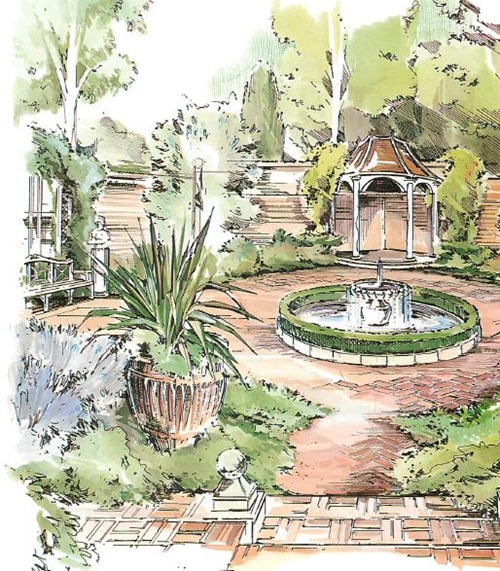
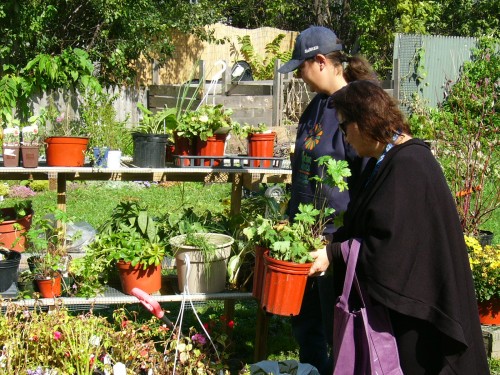
Landscape design terminology can be confusing: hardscape vs. softscape, and multiple professional titles—landscape architect, contractor, designer, landscaper. Heres how they differ and who to hire. Professional Types L

Adding Color to Garden Structures: Creative Ideas for Landscape Accents
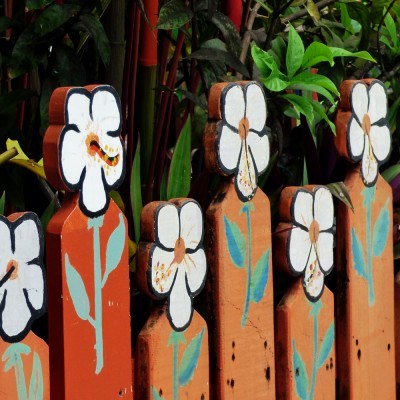
Colorful garden structures brighten landscapes year-round, especially in northern winters. They provide foil for plant colors and transform ordinary structures into extraordinary focal points. Garden Color Scheme Ideas
Repairing Bent or Crushed Plant Stems: A Simple Guide
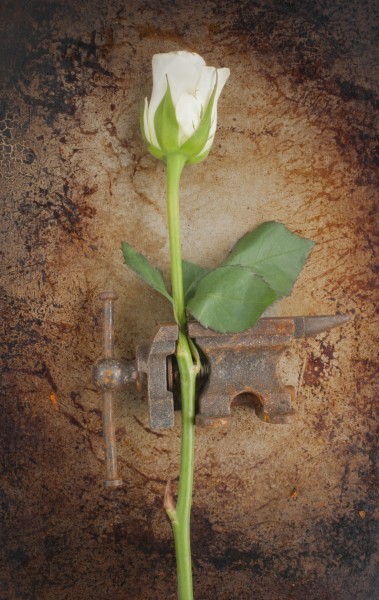
Trampled plants from kids, pets, wind, or misplaced steps can often be saved with prompt action and basic supplies. Understanding Stem Damage Plants have vascular systems for nutrient transport and pith for structural s
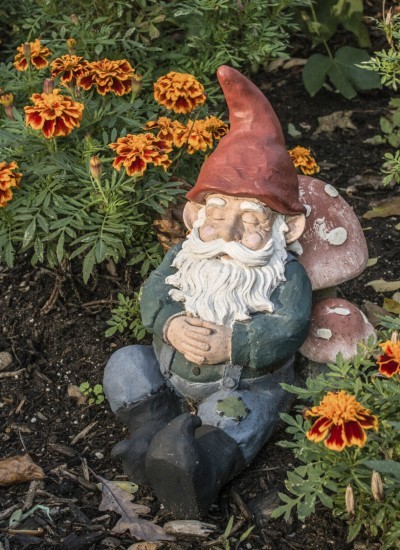
Garden Gnomes: History, Folklore, and Creative Placement Ideas
Garden gnomes—those small, bearded, red-capped statuettes—have centuries of European heritage rooted in folklore. Phillip Griebels 1800s terra cotta gnomes popularized the modern form, though earlier 1600s versions were
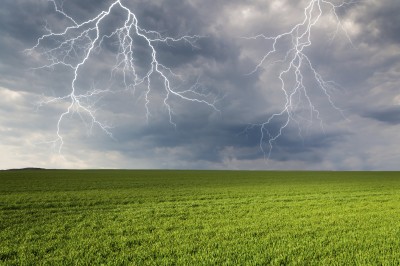
Lightning Safety in the Garden: Essential Storm Precautions
Spring/summer gardening coincides with storm season. Lightning strikes injure 240,000 and kill 24,000 people annually worldwide; the US averages 51 lightning deaths yearly. Garden safety during storms is critical. Light
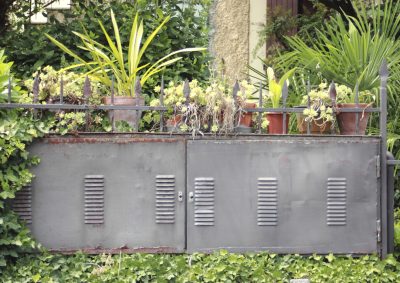
Hiding Utility Boxes: Landscaping Solutions for Unsightly Equipment
Utility boxes for electricity, cable, and phone lines are unavoidable eyesores. Unless youre off-grid, theyre a fact of life—but you can camouflage them effectively. Landscaping Around Utility Boxes First, contact the u
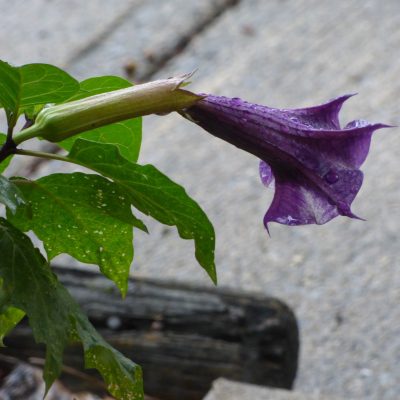
Toxic Garden Plants: 8 Common Poisonous Plants to Watch For
Beautiful garden plants can harbor deadly toxicity. Here are eight common but highly poisonous garden plants: Common Toxic Garden Plants Rhododendron – Nectar of certain types (especially R. ponticum) is so toxic that n
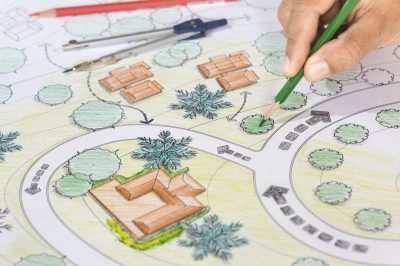
Landscape Architecture: What Landscape Architects Do and How to Choose One
Landscape architecture balances built and natural environments, integrating design, engineering, art, environmental science, forestry, bioremediation, and construction. What Landscape Architects Do They create blueprint
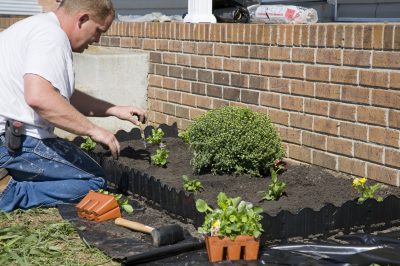
Commercial Landscaping: Services, Benefits, and Choosing a Provider
Commercial landscaping encompasses planning, design, installation, and maintenance for businesses of all sizes—far beyond basic mowing. What Commercial Landscapers Do Plan/install budget-friendly, inviting workplace fr

Balancing Work and Gardening: Time-Saving Strategies for Busy Gardeners
Love gardening but overwhelmed by work? Design a low-maintenance garden to enjoy your outdoor space without endless chores. Work smarter, not harder. Finding Your Balance Full-time jobs leave part-time gardening hours.
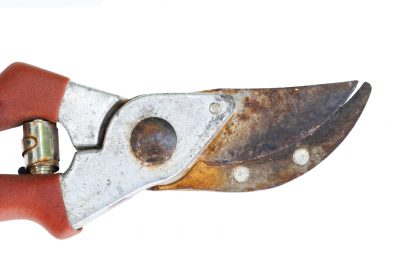
How to Clean Rusty Garden Tools: Effective Methods & Prevention
After a long season, neglected tools emerge rusted in spring. Prevention is best: clean after each use with soap/water, dry thoroughly, apply WD-40 or mineral oil, and store hanging in dry air or blades-down in sand/min

Surprising Uses for Coca-Cola in the Garden
Coca-Colas uses extend far beyond a beverage—from cleaning spark plugs to relieving jellyfish stings. But can Coke benefit your garden? Lets explore. Coke for Pest Control Slugs & Snails: Like beer traps, a shallow bowl
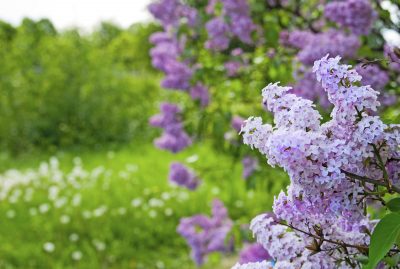
Phenology in the Garden: Nature's Calendar for Planting Success
Gardeners plan successive crops long before frost, but nature provides the best timing clues. Climate, weather, and temperature triggers interact with plants, animals, and insects—this is phenology. Understanding phenol
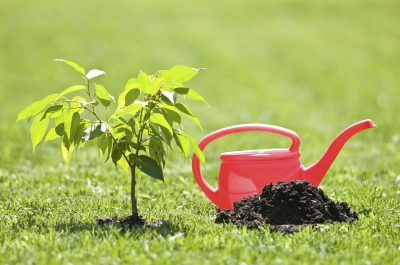
Watering New Plants: What "Water Well" Really Means
Water it well when planting—common advice, but what does it actually mean? Insufficient watering prevents deep, vigorous root development. Heres how to properly water new garden plants. What Water Well Means When Planti

Food Deserts in America: Causes, Impact, and Solutions
Even in economically vibrant cities, food deserts persist—low-income areas with limited access to healthy food. The USDA defines a food desert as a low-income census tract where at least 33% of residents (minimum 500 pe
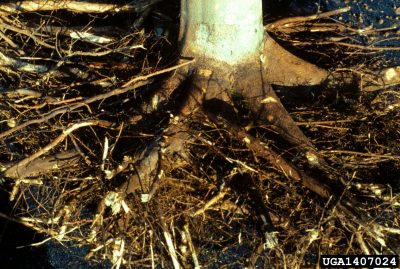
Understanding the Root Zone: Key to Healthy Plant Watering
Gardeners often hear water the root zone, but what exactly is it? The root zone is the area of soil and oxygen surrounding a plants roots—the starting point of its vascular system. Water and nutrients are absorbed from
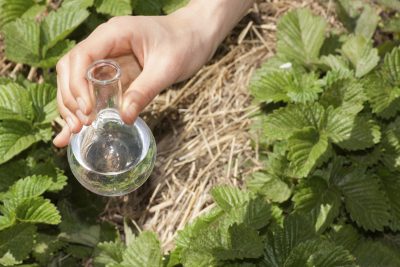
Testing Garden Water Quality: Ensuring Safe Irrigation for Plants
Water covers 71% of Earth and comprises 50-65% of our bodies, yet we often take its quality for granted. While drinking water safety is well-monitored, the water we give our plants deserves equal attention. Contaminated
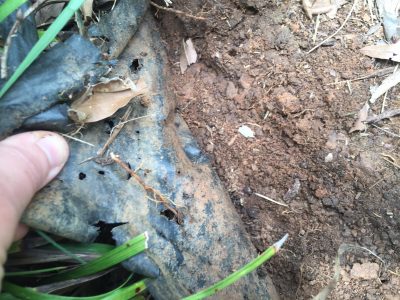
Removing Landscape Fabric: Why and How to Get Rid of Weed Barrier
After weeding your garden bed, you discover black tufts of landscape fabric poking through everywhere—weeds 10, fabric 0. Now youre wondering: should I remove landscape fabric? Heres why you might want to, plus practica
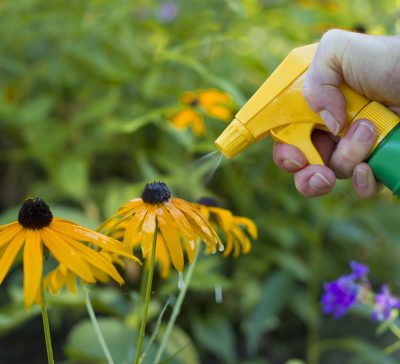
Herbicide Adjuvants Explained: A Gardener's Guide to Spray Additives
If youve read a pesticide label, youve likely encountered the term adjuvant. Broadly defined, an adjuvant is any additive that enhances pesticide effectiveness—improving chemical activity, application, leaf adhesion, or
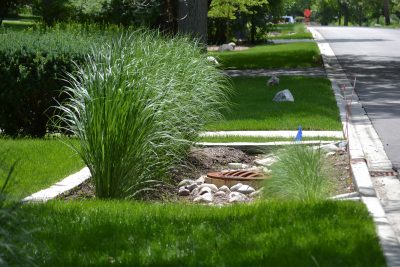
What Is a Swale? Building Water-Saving Landscape Features
Recent droughts and climate concerns have sparked serious discussions about water conservation and sustainable gardening with minimal irrigation. One of the most effective water-saving strategies is creating a swale. Th
Copyright © www.100flowers.win Botanic Garden All Rights Reserved