Raspberry Growing and Pruning: Two-Season Cuts for Continuous Harvests
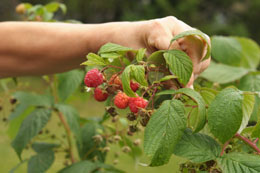
Raspberries (Rubus idaeus red, R. occidentalis black) are biennial canes on perennial crowns. Primocanes (year 1) are vegetative; floricanes (year 2) flower and fruit. Pruning twice a year keeps the patch productive and

Blueberry Pruning: Annual Renewal for Larger, Sweeter Berries
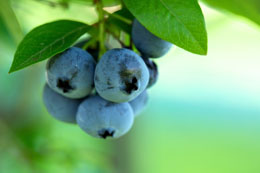
Blueberries require annual pruning from planting onward. Irregular pruning leads to flushes of same-age canes that become unproductive simultaneously. The goal: a mix of cane ages (10–20 canes on mature plants) for stead
Peach Tree Pruning: Annual 40% Removal for Consistent, Quality Harvests
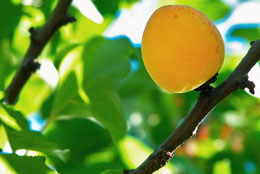
Peaches bear fruit on second-year wood, making annual pruning essential to renew fruiting shoots. Neglected trees become weak, disease-prone, and produce poor fruit. A well-pruned peach tree yields 50–70 lbs of high-qual
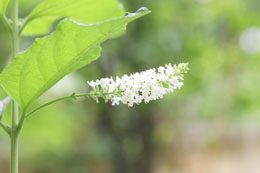
Butterfly Bush Pruning: Hard Winter Cuts for Vigorous Spring Growth
Butterfly bush (Buddleia spp.) is a fast-growing, pollinator-magnet shrub that blooms on new wood. Hard pruning in dormancy keeps it compact and floriferous. When to Prune Best: Winter dormancy (any zone)—easy recovery
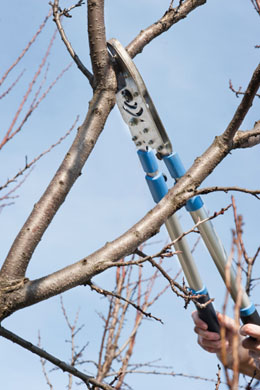
Plum Tree Pruning: Avoiding Silver Leaf Disease with Proper Timing
Plums (Prunus domestica) are pruned to an open vase, fan, or pyramid shape for light penetration. The biggest threat is silver leaf disease, a fungus entering through pruning cuts—especially on large trees in damp weathe
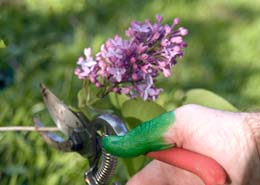
Lilac Bush Pruning: Timing Is Everything for Next Year's Blooms
Lilacs (Syringa spp.) bloom on old wood, so pruning at the wrong time sacrifices next springs flowers. The golden rule: prune immediately after flowering ends, before new buds form. Critical Timing Bloom in spring; flo
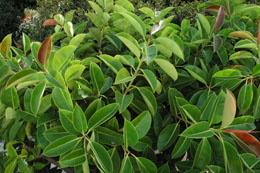
Rubber Plant Pruning: Controlling Height for Indoor Beauty
The rubber plant (Ficus elastica) is a popular, fast-growing houseplant that can reach 50 feet outdoors. Indoors, regular pruning keeps it bushy, attractive, and ceiling-friendly. When to Prune Any season works, but lat
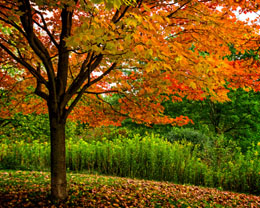
Maple Tree Pruning: Removing Crossed Branches and Controlling Size
Maples (Acer spp.) are fast-growing, cold-hardy shade trees with stunning foliage. Pruning prevents branch rubbing, controls size, and removes hazards—but timing matters to avoid excessive sap bleeding. Why Prune? Elim
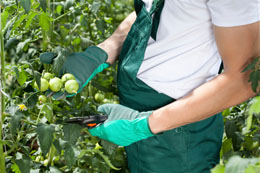
Tomato Plant Pruning: Suckers, Leaves, and Stems for Maximum Yield
Pruning tomatoes boosts both quantity and quality of fruit, improves air flow, and reduces disease. The method varies by growth habit—determinate vs. indeterminate—and growing method. General Principles Wait for 2–3 su
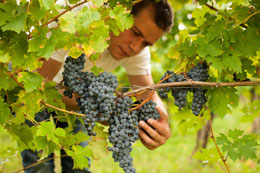
Grapevine Pruning: Winter Dormancy Cuts for Quality Fruit
Grapevines are woody climbers that require annual winter pruning to maintain structure, control vigor, and ensure full ripening of fruit. The first year is for root establishment—no pruning needed. Why Prune in Winter?
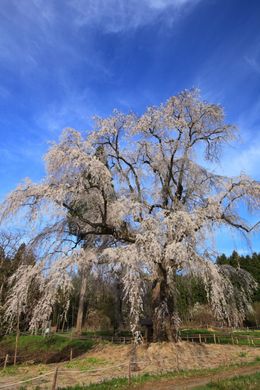
Weeping Cherry Pruning: Preserve the Umbrella Shape for Spring Glory
Weeping cherries (Prunus spp.) cascade with pink blossoms each spring. Pruning maintains their iconic umbrella form—never a mushroom—and protects the graft union. Key Principles Maintain natural umbrella shape; avoid f
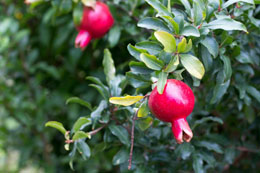
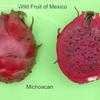
Pomegranate Tree Pruning and Growing Guide
Pomegranates (Punica granatum) are deciduous shrubs or small trees native to Southwest Asia, widely grown for their nutritious, jewel-like arils. Pruning in early spring shapes the plant, removes dense shoots, and improv
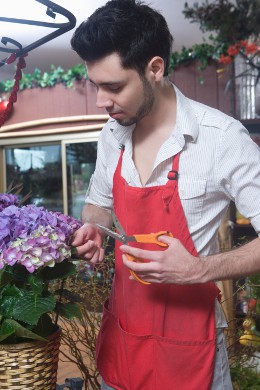
Hydrangea Pruning: Timing by Variety for Bigger, Better Blooms
Hydrangeas (70+ species) are beloved for their massive, colorful flower heads. But pruning at the wrong time is a common reason for a bloomless season. The secret: know your cultivars flowering habit. Tools Sharp, corre
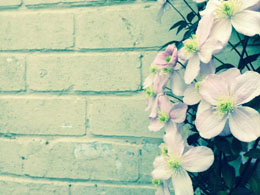
Clematis Pruning Groups: A Complete Guide to Groups A, B, and C
Clematis vines bloom spectacularly, but without pruning they become a tangle of bare stems with flowers only at the top. The key is knowing your plants pruning group—determined by when it flowers. Group A: Early Bloomer
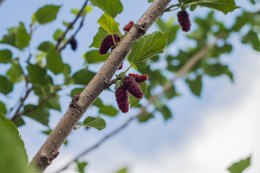
Mulberry Tree Pruning: Crown Reduction vs. Pollarding for Health and Shape
Mulberries (Morus spp.) are fast-growing deciduous trees grown for fruit (white, red, black) or as fruitless ornamentals. Pruning controls size, improves air flow, and maintains productivity—but aggressive methods like p
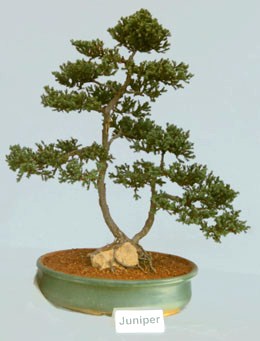
Juniper Bonsai Pruning: Finger Pinching for Compact, Styled Foliage
Juniper bonsai (Juniperus spp.) are favored for their dense, needle-like foliage and adaptability to many styles. Pruning is the primary tool for size control and artistic shaping—especially the technique of finger pinch
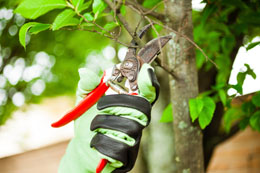
How to Trim a Tree Safely: Tools, Timing, and Proper Cutting Technique
Tree trimming is a homeowner responsibility for safety, health, and aesthetics. Done correctly, it strengthens the tree; done poorly, it can cause decline or death. Heres how to approach it yourself—and when to call a pr
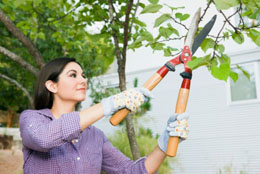
Fruit Tree Pruning Basics: Timing, Tools, and Techniques for Higher Yields
Pruning fruit trees isnt just about shape—its about productivity, longevity, and disease prevention. Whether you have apples, peaches, plums, or cherries, the core principles are universal: prune annually during dormancy
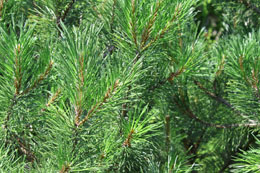
Pine Tree Pruning: Controlling Size and Promoting Dense Growth
Pines are tough, low-maintenance trees, but they can outgrow their space or develop dead wood. Regular pruning keeps them shapely, healthy, and proportionate to your landscape. Planting and Early Care Plant seeds in De
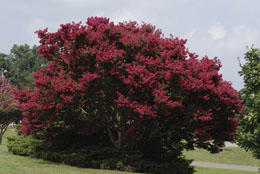
Crepe Myrtle Pruning: Avoiding "Crepe Murder" for Natural Beauty
Crepe myrtles (Lagerstroemia indica) bloom for months in shades of white, pink, magenta, and purple. While they naturally grow as multi-stemmed shrubs, theyre often trained as small trees. Annual pruning maintains the de
Copyright © www.100flowers.win Botanic Garden All Rights Reserved