


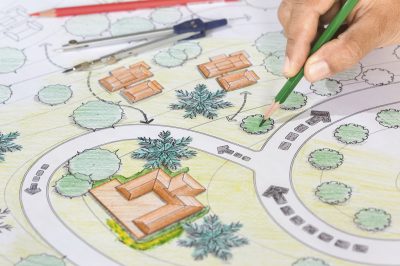
Landscape architecture balances built and natural environments, integrating design, engineering, art, environmental science, forestry, bioremediation, and construction.
They create blueprints for healing gardens, green roofs, parks, business frontages, town squares, residential developments, dog parks, shopping centers, streetscapes, and private gardens. Collaborators include contractors, engineers, architects, planners, homeowners, surveyors, and facility managers.
Typical process: assess client needs and site uniqueness; analyze problems/opportunities; develop "big picture" vision with models, videos, sketches, and detailed construction drawings; stay involved through installation to ensure vision integrity.
Varied paths: self-employed or with architecture/construction firms. Requires bachelor's (often master's) degree from accredited programs.
Seek someone who listens, offers creative aligned ideas, respectfully explains constraints, has relevant experience/portfolio, and communicates clearly about fees, billing, change orders, and deliverables. Personal rapport matters—you'll collaborate closely.
Hiring a Landscape Designer: What to Ask, What to Pay, and Design-Build Options
Designing a Landscape for a New Home: From Plot Plan to Plant Selection
Landscaping Your Home: A Step‑by‑Step Guide to a Beautiful Yard
Commercial Landscaping: Services, Benefits, and Choosing a Provider
Biennial Plants: Two-Year Life Cycle Explained
What a Landscape Architect Wants You to Know About Their Profession
What Scale Looks Like on Orange Star Plant
Starting a Landscape Design Business: A Firefighter's Roadmap
Budgeting a 60×80 Sloped Backyard Renovation in Minneapolis
Starting a Career in Interior Landscaping: Advice from a Professional
Water Lily Symbolism: Meanings in Egypt, Asia & Western Culture
Copyright © www.100flowers.win Botanic Garden All Rights Reserved