Plant Sports: Genetic Mutations That Create New Varieties
A plant sport is a spontaneous genetic mutation (faulty chromosomal replication) producing a visibly and genetically distinct segment. Not caused by environment; can be inheritable. Examples Climbing roses are sports o

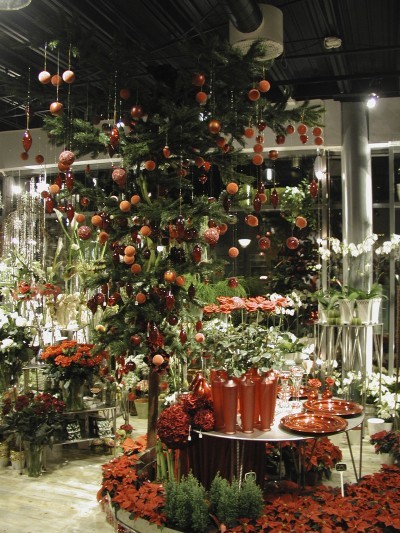
Holiday Gift Plant Care: Keeping Poinsettias, Amaryllis, and More Thriving
Holiday plants (poinsettia, Easter lily, cyclamen, amaryllis, Christmas cactus, living Christmas tree) need specific care to rebloom or survive year-round. Key Care Tips Cyclamen/Kalanchoe: Deadhead, fertilize monthly.
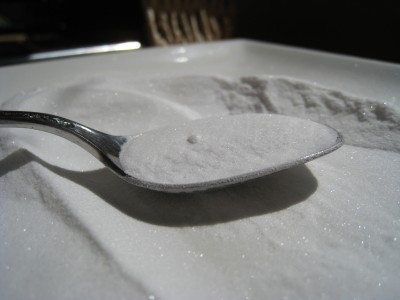
Baking Soda as Fungicide: Efficacy, Safety, and Application
Sodium bicarbonate (baking soda) reduces fungal spores but doesn’t kill them. EPA-cleared for edibles; minimal soil buildup. Best Practices 1% solution: 1 tsp baking soda + 1 gal water. Add 1 tsp dormant oil + ½ tsp di
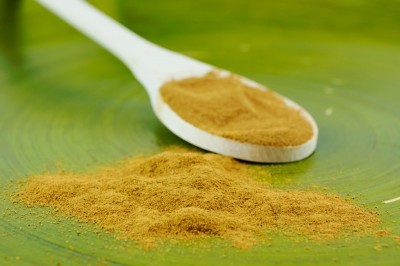
Cinnamon in the Garden: Natural Pest Control, Rooting Aid, and Fungicide
Cinnamon is a versatile, non-toxic garden helper—ant deterrent, rooting stimulant, and fungicide. Uses Ant Control Sprinkle powder at entry points (home, greenhouse, sandbox). Repels but doesn’t kill. Rooting Agent Roll
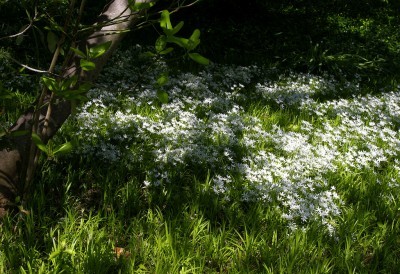
Light Shade Gardening: Plants for Dappled and Partial Sun
Light shade (partial shade/sun) offers bright but filtered light—ideal for many plants. Levels shift seasonally as trees leaf out/drop leaves. Understanding Light Shade Plants need some light for photosynthesis. Light s
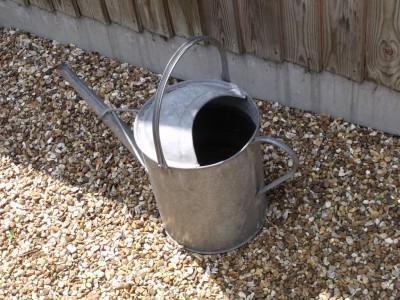
Winter Watering: Why Dormant Plants Still Need Moisture
Dormant plants aren’t dead—they maintain metabolic functions and need soil moisture. Winter watering is crucial in low-snow, windy areas. When and How to Water Water early in day—soil moisture traps heat, protecting ag
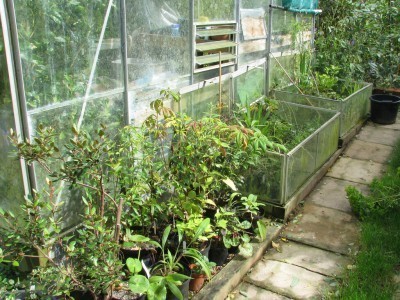
Mother Plants: Maintaining Stock for Reliable Propagation
Stock (mother) plants provide genetically identical cuttings, grafts, seeds, bulbs, or tubers. Their health directly determines offspring quality. Selecting and Maintaining Mother Plants Choose superior, disease-free s
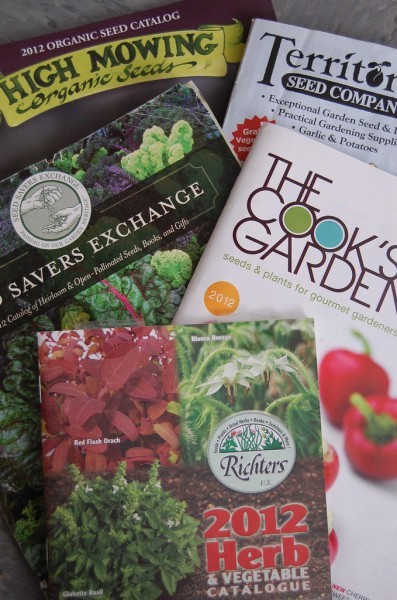
Ordering from Seed and Plant Catalogs: Smart Selection Tips
Catalogs arrive mid-winter, inspiring garden dreams. Choose wisely with these guidelines. Pick a Reputable Supplier Consider: organic only? National seedbank participants? Community-focused? Price-driven? Trusted refere
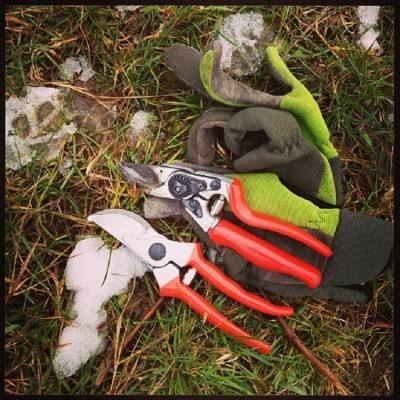
Late Winter Garden Maintenance: Jump-Start Spring Growth
Late winter tasks prepare the garden for a vibrant spring. Dormancy makes it the ideal time for structural work. Why Start Early? Clears storm debris, amends beds, frees spring for fun tasks (seed starting, planting). P
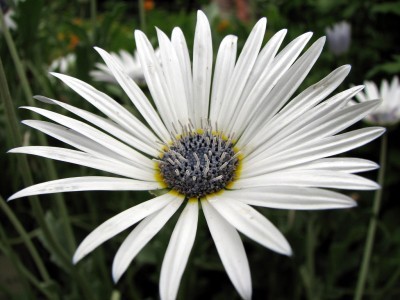
Plant Hybridization: Creating New Varieties Through Selective Breeding
Hybridization crosses two plants to combine desirable natural traits—distinct from GMOs, which insert non-native genes. Used by commercial growers and hobbyists alike. How It Works Offspring inherit trait combinations f

Square Foot Gardening: Calculating Plants per Square Foot
Mel Bartholomew’s square foot gardening uses 80% less soil/water and 90% less work. Plant in 1-ft² grids (4×4 or 2×4). Each square holds 1, 4, 9, or 16 plants based on mature size. Spacing Calculation Check seed packet
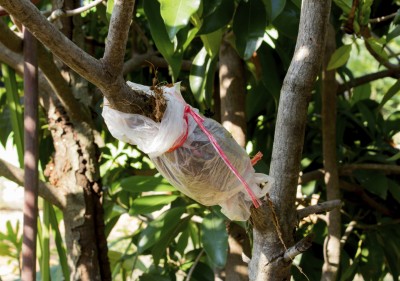
Plant Layering Techniques: Simple, Tip, Serpentine, Mound, and Air Layering
Layering propagates plants by rooting stems while attached. Five main techniques suit different plant types. Layering Methods Simple: Bend stem to ground, pin center underground. Roots form along buried section. T

Propagation Containers: From DIY to Commercial Options
Starting seeds and cuttings at home doesn’t require a greenhouse. Containers range from recycled household items to commercial systems. Seed-Starting Containers Six-pack pots and flats (buy or DIY). DIY: Yogurt cups, e

Common Garden Mistakes: Planning for Low-Maintenance Success
Enthusiastic gardeners often create high-maintenance nightmares. Avoid mishaps with long-term planning and smart practices. Top Mistakes to Avoid Ignoring mature plant size: Space for growth prevents competition for wa
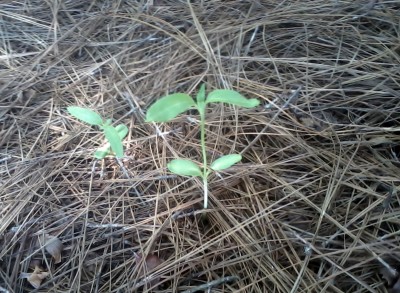
Volunteer Plants: Managing Self-Sown Seedlings in Your Garden
Volunteer plants appear unplanted—from dropped seeds, animal fur, bird droppings, or rhizomes. Some are welcome gifts; others are weeds. Early identification is tricky but improves with experience. Managing Volunteers
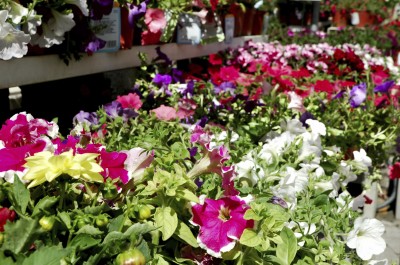
Annual Plants: One-Season Wonders for Continuous Color
Annuals complete their life cycle in one growing season: germinate, bloom, set seed, die. They’re showier than perennials with long bloom (spring to frost), but must be replanted yearly. Types of Annuals Hardy annuals:

Perennial Plants: Long-Lived Garden Staples
Perennials live three+ years. Herbaceous types die back to ground each winter, regrowing from roots in spring. Trees/shrubs may retain foliage. They’re considered hardy after surviving a winter. Growing Perennials Dire
Biennial Plants: Two-Year Life Cycle Explained
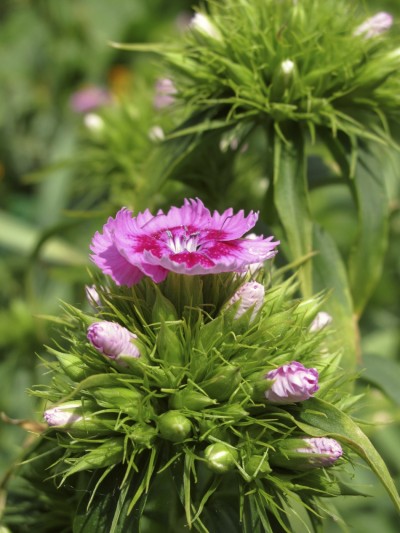
Biennials complete their life cycle in two growing seasons. Year one: roots, stems, leaves, and a low basal rosette form. Year two: stem bolts, flowers, sets seed, then dies. Many reseed. Key Concepts Vernalization: Co
Tender Perennials: Overwintering Tropical and Mediterranean Plants
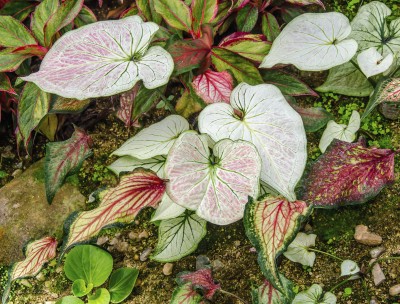
Tender perennials (begonias, calla lilies, caladiums, rosemary, bay laurel) thrive in warm climates but need winter protection in temperate zones. Growing Season Care Plant after frost danger passes. Tropical types: ri
Air Layering: Simple Propagation for Woody Plants
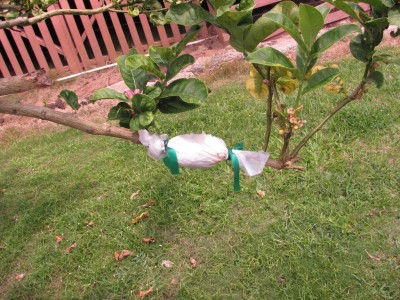
Air layering clones plants by rooting a stem while still attached. It’s easy, requires no special hormones, and the parent plant isn’t harmed if rooting fails. How It Works In nature, low branches touching ground root
Copyright © www.100flowers.win Botanic Garden All Rights Reserved