


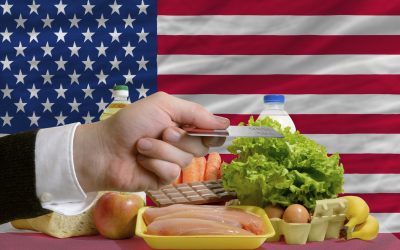
Even in economically vibrant cities, "food deserts" persist—low-income areas with limited access to healthy food. The USDA defines a food desert as a low-income census tract where at least 33% of residents (minimum 500 people) live more than one mile (urban) or ten miles (rural) from a supermarket or large grocery store.
Multiple factors converge: low-income residents often lack cars; economic shifts drive grocery stores to suburbs; public transit makes grocery trips time-consuming and physically demanding. These areas are disproportionately communities of color. Limited income and transportation lead to reliance on fast food and processed corner-store options, increasing rates of heart disease, obesity, and diabetes.
Approximately 23.5 million Americans live in food deserts. The federal government has invested $400 million in tax incentives for supermarkets opening in these areas. Michelle Obama's "Let's Move" campaign targeted eradication by 2017. Cities are developing local solutions. Community education—growing food, partnering with convenience stores for healthier options—empowers residents. Public awareness drives policy change toward universal healthy food access.
Larkspur Flowers: Features, Growing Zones, and Care Basics
Water Lily: Complete Guide to Growing, Symbolism & Care
Understanding the Root Zone: Key to Healthy Plant Watering
Commercial Landscaping: Services, Benefits, and Choosing a Provider
Botanical Gardens: Research, Conservation, and Education Centers
The Solanum Plant Family: From Potatoes to Poisonous Nightshades
Becoming a Master Gardener: Training, Volunteer Work, and Community Impact
Understanding Plant Bracts: The Colorful "False Petals"
Parthenocarpy: Seedless Fruit Development Explained
Air Layering: Simple Propagation for Woody Plants
Biennial Plants: Two-Year Life Cycle Explained
Hard Frost vs. Light Frost: Effects on Plants and Protection Strategies
Light Frost: What It Is, Which Plants It Hurts, and How to Protect Them
Copyright © www.100flowers.win Botanic Garden All Rights Reserved