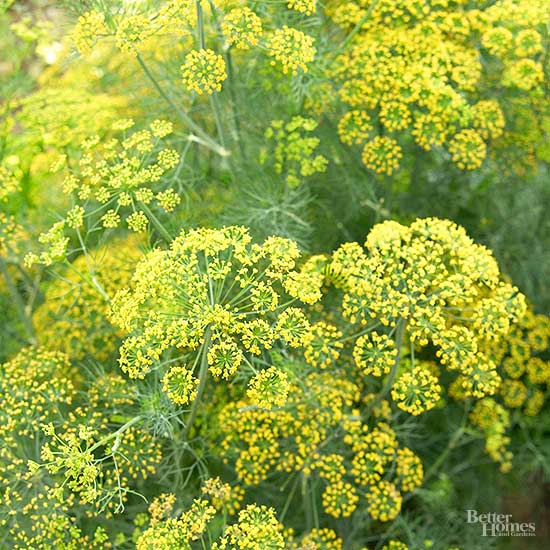
How to Grow Dill: For Beauty, Flavor, and Pickles
Growing Dill Outdoors Dill is easy from seed and best direct‑sown. Choose full sun (8+ hours) and well‑drained soil. Amend clay with compost. Sow ¼″ deep, 1–2″ apart in rows 6″ apart. Thin to 12–24″ spacing (thinning

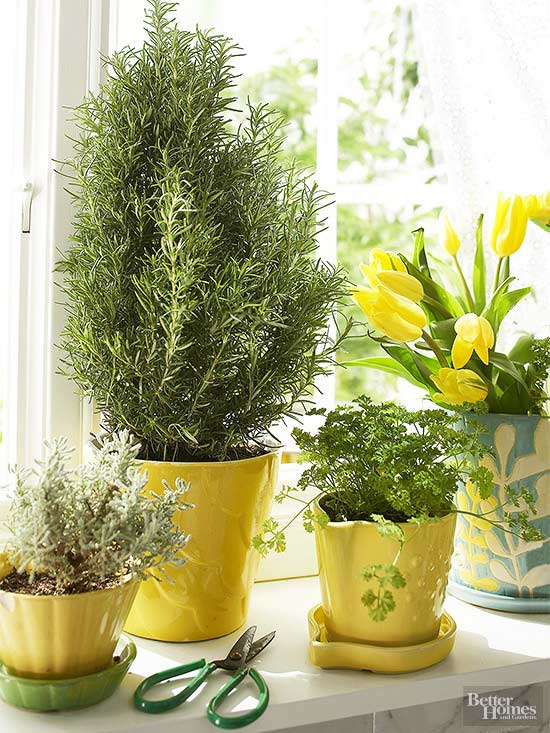
Grow Herbs Indoors with Just a Sunny Window
Indoor Herb Essentials Herbs love full sun and well‑drained, slightly dry soil. Indoors, place them at a south‑ or southwest‑facing window with 4–5 hours of direct sun. North windows rarely suffice. Even with a sunny
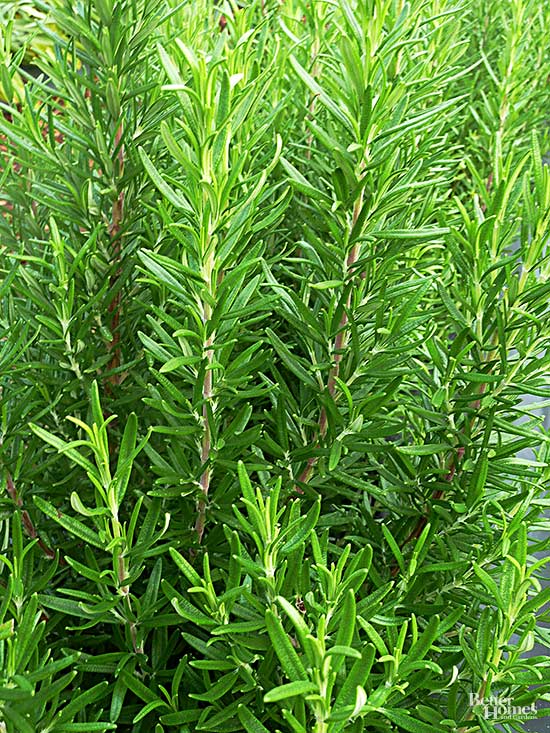
How to Grow Rosemary: Fresh or Dried, Indoors or Out
Rosemary Basics Native to the Mediterranean, rosemary (Rosmarinus officinalis) means “dew of the sea.” Think dry, sunny, warm (not scorching) for success. It’s a shrubby evergreen perennial that in Zones 7–8+ can reac
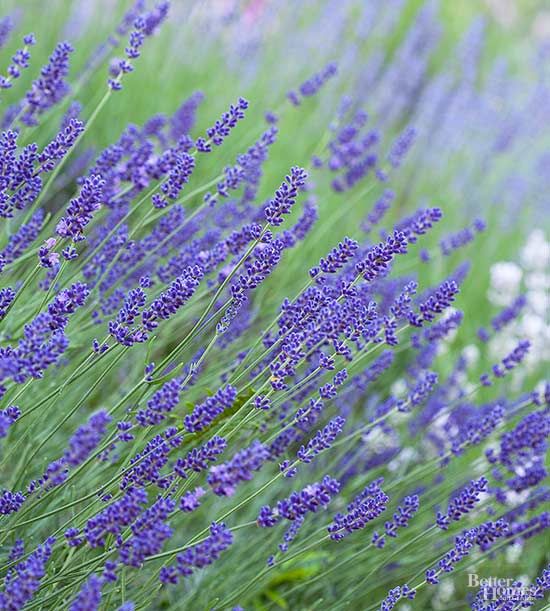
How to Grow Lavender: The Complete Guide to Fragrant Success
Why Lavender Can Be Tricky Lavender fields in Provence are iconic, but growing lavender requires matching your soil, site, and climate to its Mediterranean preferences. Plant in Well‑Drained, Alkaline Soil Lavender i
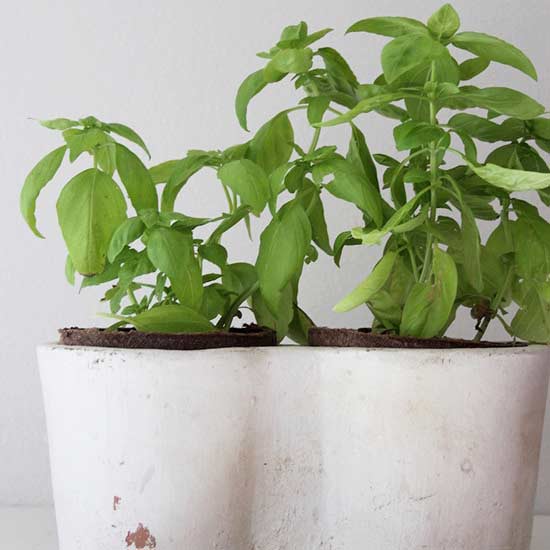
Why Your Herbs Are Dying: 6 Common Mistakes and Fixes
1. Poor Drainage Most herbs demand well‑drained soil. In containers, always add a layer of stones at the bottom and never use a pot without a drainage hole. Root rot sets in fast without it. 2. Wrong Sun Exposure Her
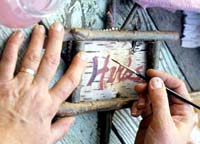
DIY Rustic Plant Labels: Handcrafted Garden Signs
Natural Materials for a Garden Look Twigs, bark, and fallen wood belong in the garden. Start with simple plant labels—artistic skill not required; imperfections enhance the rustic charm. Materials 5/8″‑diameter will
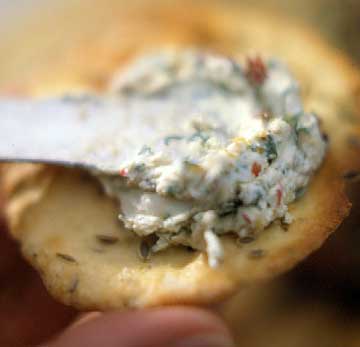
Herb Butters and Cheeses: Simple Spreads, Big Flavor
Making herb butter or cheese is the fastest way to explore an herb’s flavor. Almost any herb works; standouts include parsley, chives, savory, marjoram, garlic chives, lemon balm, tarragon, and chervil. Learn to make
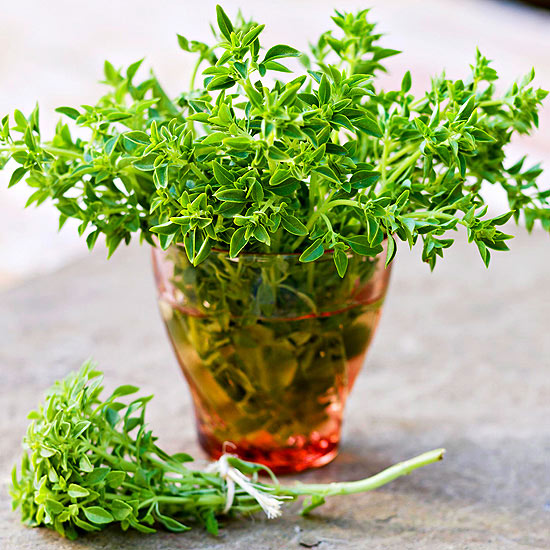
7 Extraordinary Basil Varieties to Grow and Taste
Learn how to store fresh basil. Bush Basil (‘Spicy Globe’) Tiny leaves pack a peppery punch. Chef Chris Weber uses this compact herb with currants to season pork belly served with roasted beets, onions, and kohlrabi.
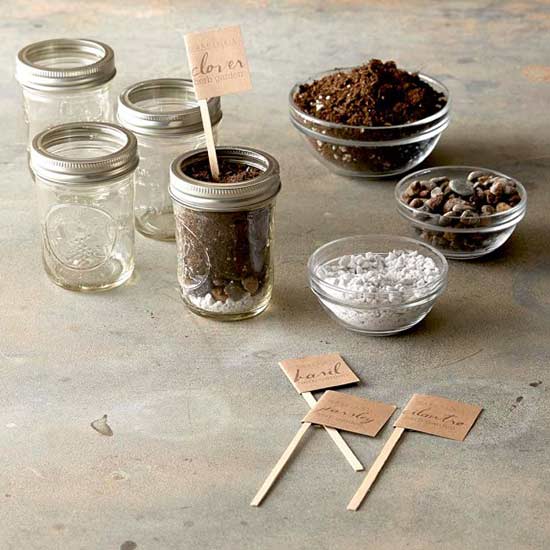
Indoor Herb Garden Kits & Gear: Everything You Need to Start
Mason Jar Minis – Perfect for Beginners This all‑in‑one kit includes soil, seeds, and jars—you’ll be snipping basil in weeks. Herb Garden Kit – $49.95 Wonderful Windows – Burlap Bag Collection Six savory seed vari
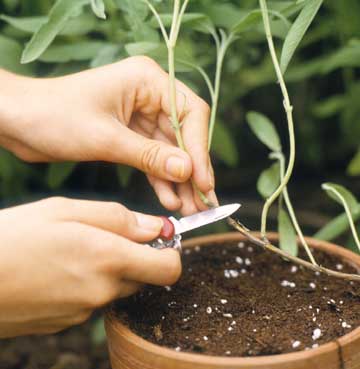
Layering Herbs: An Easy Propagation Method
Step 1: Nick the Stem In late spring or early summer, choose a healthy, flexible stem. Gently bend it to the ground or a pot of soil near the parent. Strip leaves from the section to be buried, then nick the underside
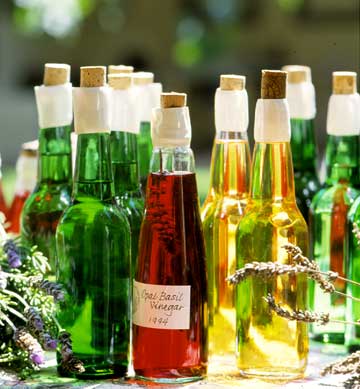
Make Your Own Herb Vinegars: Simple, Flavorful, Beautiful
What You Need Fresh herbs (basil, cayenne, or your favorites) 1‑quart glass jars Vinegar (white wine, apple cider, or any you prefer) Paper coffee filters Also learn to flavor butter and cheese with herbs. Instruct
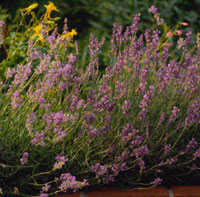
Herbs in the Landscape: Beyond the Herb Garden
Herbs have earned a place in nearly every home garden, but more gardeners are freeing them from dedicated beds and weaving them throughout the landscape. Here’s how to integrate herbs beautifully and functionally. Mix H
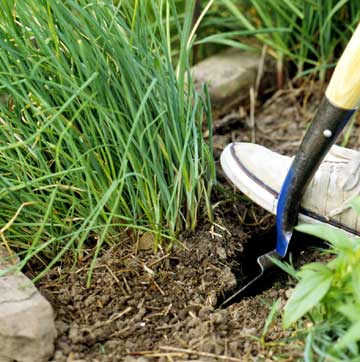
Dividing Herbs: Multiply Your Plants for Free
Step 1: Dig Up Divide plants in early spring or late fall when they’re dormant. Clump‑formers like chives and spreaders like mint are ideal candidates. Dig up the whole plant or slice through the parent to take a sect
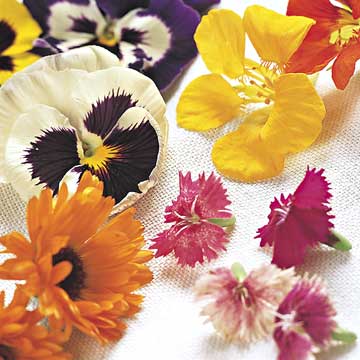
Choosing Edible Flowers: Flavor, Color, and Safety
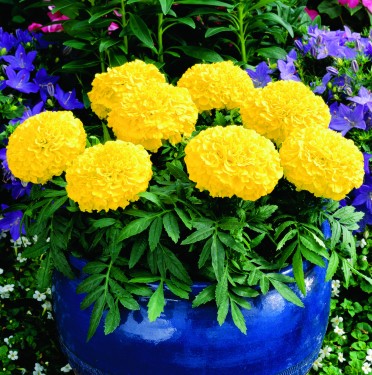
Edible flowers bring unexpected color and distinctive flavors to salads, desserts, and drinks. Here are popular choices to grow and enjoy: Pansies – slightly spicy Calendulas – mild, but vivid yellow‑gold petals make
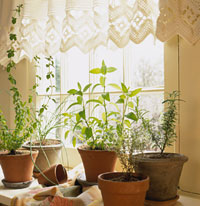
Grow Fresh Herbs Indoors All Winter: A Complete Guide
Why Grow Herbs Indoors? An indoor herb garden delivers fresh, flavorful ingredients for cold‑weather cooking at almost no cost, while adding a lively, green touch to your kitchen. Light: The Critical Factor Place con
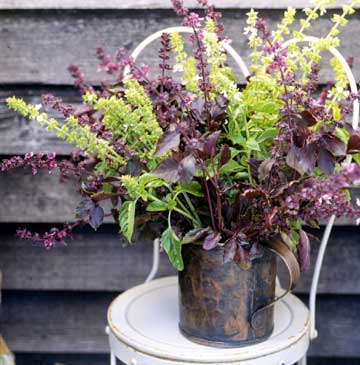
Creative Herb Bouquets: From Kitchen to Gift Giving
Kitchen Bouquet: Edible Beauty Don’t relegate basil to the vegetable patch—its spiky blossoms add aroma and visual flair to arrangements. Snip flowers just as they open to keep the plant producing leaves. Mix purple a
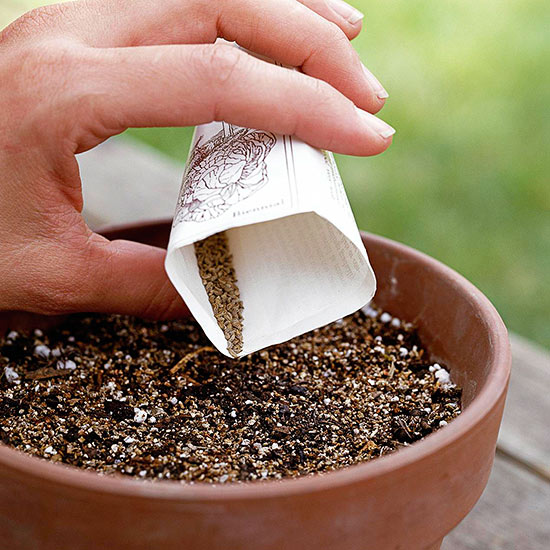
Regional Herb Garden Care Calendar: Seasonal Tasks for Every Climate
Spring: Laying the Groundwork Spring is the season to jump‑start your herb garden. Whether you garden in a cool or warm climate, early preparation pays off all year. Cool Climates Start seeds indoors about six weeks
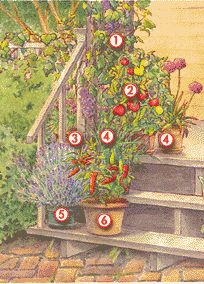
Container Kitchen Garden: Herbs, Veggies, and Edible Flowers in Pots
Tasty Kitchen Garden Container plantings bring color, fragrance, texture, height, and depth to modest porches, decks, or balconies. Pots of herbs, vegetables, fruiting vines, and edible annuals pack even more punch. H
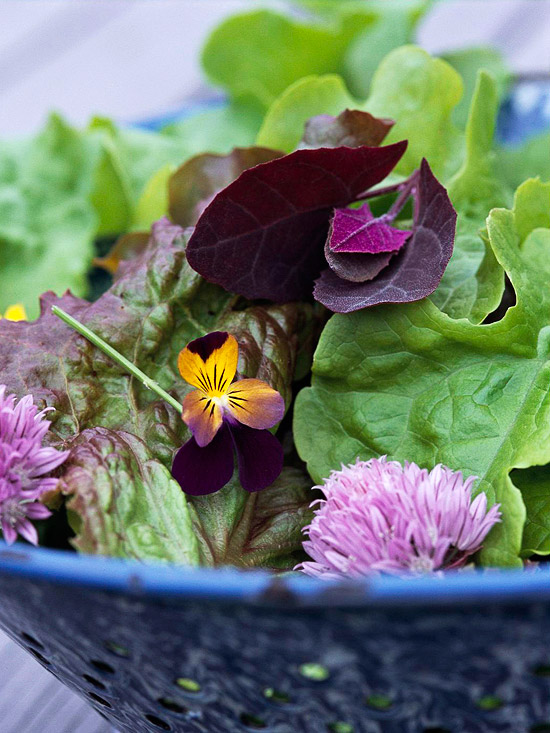
Edible Flowers: A Guide to Safe, Delicious Blooms
Edible flowers are trendy garnishes, but safety matters. Not all flowers are edible, and not all vendors know toxicities. Safest bets: nasturtium, pansy, violet, Johnny‑jump‑up, calendula, chive, sage. Grow without chemi
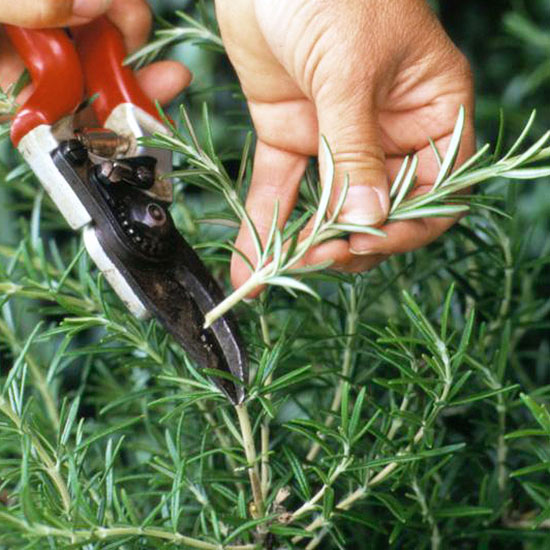
Propagating Herbs from Cuttings: A Simple Guide
Step 1: Snip Cuttings Take 3–4″ cuttings from new growth in spring or early fall. Cut at an angle just below a node (leaf emergence point). Strip bottom leaves and any flowers/buds. Step 2: Plant in Pots Dip cut ends
Copyright © www.100flowers.win Botanic Garden All Rights Reserved