


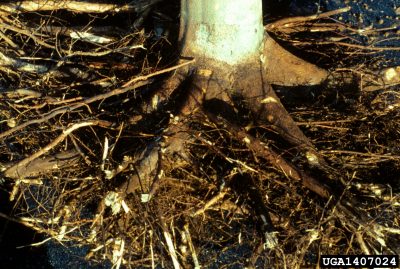
Gardeners often hear "water the root zone," but what exactly is it? The root zone is the area of soil and oxygen surrounding a plant's roots—the starting point of its vascular system. Water and nutrients are absorbed from this oxygenated soil and transported throughout the plant.
A healthy root zone extends past the plant's drip line—the ring where water runs off foliage into the ground. As plants grow, roots naturally spread toward this zone seeking moisture. For established plants during drought, watering at the drip line is most efficient. Many plants develop dense, surface-level roots around the drip line to capture rainfall, while deep-rooted species rely more on groundwater.
Healthy established shrubs have root zones 1-2 feet deep extending past the drip line. Trees reach 1.5-3 feet deep with similar lateral spread. Compacted or clay soil stunts roots, creating weak zones that can't absorb adequate water and nutrients. Overly sandy soil encourages long, weak roots. Well-draining soil promotes large, strong root systems.
A healthy root zone means a healthy plant—it's that fundamental.
Best Ground Covers for Shady Zone 6 Yards
Desert Biome Plants: Cacti, Shrubs, Trees, and Wildflowers of American Deserts
Plants That Root Easily in Water: Coleus, African Violets, Impatiens
Root Cuttings: How to Propagate Plants from Root Growth
Wild Harvesting Risks: Why Collecting Plants from Nature Is Discouraged
Rockery Garden Construction: Build a Natural Alpine Feature
Boston Fern Root Nodules: What They Are & How to Propagate Them
Fall Planting Guide: Seeds, Bulbs, Garlic, Trees, and Perennials for Spring Beauty
Organic Gardening Buzz: Why It's Worth the Hype
Best Outdoor Plants for USDA Zone 6
Benefits of Hydroponic Gardening: Soil-Free Growing
The Remarkable Benefits of Growing Orchid Plants
Greenhouse Gardening: Extend Your Season, Protect Your Plants
Copyright © www.100flowers.win Botanic Garden All Rights Reserved