


Dollar Spot in Bermudagrass: Symptoms and Management
Dollar spot (Sclerotinia homoeocarpa) affects bermudagrass and zoysiagrass. Favored by dry soil, low nitrogen, and temperatures 60–80°F. Dew, fog, or light watering provide leaf moisture for infection. Symptoms Circula

Aerating Bermudagrass: Timing, Equipment, and Common Questions
Core aeration relieves compaction in bermudagrass lawns, just as in fescue. Best time: early summer (late April–June) when grass is growing rapidly. On very compacted soils, twice yearly is fine. Fertilize and water afte
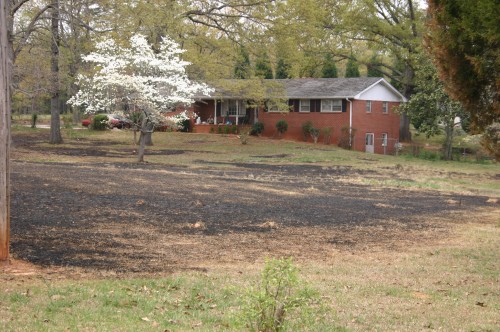
Why You Should Not Burn Your Bermudagrass Lawn in Winter
Every January, someone proposes burning off dormant bermudagrass to release nutrients and control insects. Farmers do it on rural hayfields—its their only economical insecticide. But for a suburban lawn, burning is a ter
Bermudagrass at a Glance: General Characteristics and Care
Adapted from The Revised Georgia Gardeners Guide by Walter Reeves and Erica Glasener. Overview Warm-season grass: green summer, buff/brown winter. Superbly adapted to Georgia. Hybrids (Tifway 419, TifSport 94) are steri
Identifying Common vs. Hybrid Bermudagrass
Why Mowing Height Differs Grass anatomy: crown (brown) at soil → stem (brown/yellow) → blade (green). Common bermuda has a ~1-inch stem, so recommended mowing is 1–2 inches (let grow to 3 inches, cut weekly to 2). Hybrid
Liming Bermudagrass Lawns: Soil pH Basics and Application
Soil pH (0–14 scale, 7 neutral) controls nutrient availability. Most turfgrasses thrive at 6.0–6.5; centipede and carpetgrass prefer 4.5–5.5. Georgia soils are often too acidic. How Much Lime? ~40 lbs/1,000 sq ft is a
Mowing Bermudagrass: Heights, Equipment, and Seasonal Tips
The One-Third Rule 1/3 of the blade. For a 2-inch target, mow at 3 inches. Recommended Heights Standard: 1–1.5 inches. Start at 1 inch in spring; raise gradually as heat arrives. Partial shade: 2 inches (research-backe
Overseeding Bermudagrass with Ryegrass for Winter Color
Overseeding dormant bermudagrass with annual ryegrass in October provides a green winter lawn. But its like napping at a birthday party—the two grasses have competing needs. Only If Bermuda Is Healthy Overseeding stress
Planting Bermudagrass from Seed: Complete Guide
Site Preparation Kill weeds with non-selective herbicide 2 weeks prior. Till 6 inches; incorporate lime/fertilizer per soil test. Without test: 50 lbs lime + 20 lbs 5-10-15/1,000 sq ft + 1 inch compost. Rake smooth; rem
Installing Bermudagrass Sod: Step-by-Step Guide
The process mirrors fescue sod installation but timing differs (bermudagrass sod is best laid in early summer). Site Preparation Kill weeds with non-selective herbicide 2 weeks prior. Till 6 inches deep; incorporate li
Bermudagrass Varieties: Common, Improved Seed, and Hybrid Sod
Common Bermudagrass (Seed) Lighter green, coarser leaves. Produces abundant seedheads after mowing. Aggressively invades flower beds. Drought-tolerant; economical to establish. Improved Seeded Varieties Riviera (Seed
Watering Bermudagrass: Schedules, Measurement, and Drought Tolerance
General Watering Principles Water in the morning (before noon) to dry foliage and reduce disease. Account for rainfall and local restrictions (georgiadrought.org). Measure sprinkler output: 6 weighted cups, run 1 hour,
Weed Control in Bermudagrass: A Three-Pronged Approach
Consistent weed control requires combining three methods: cultural, mechanical, and chemical. No single method works alone. 1. Healthy Lawn (Cultural) Vigorous, properly fertilized, watered, and mowed turf resists invas
Controlling Bermudagrass in Fescue and Other Cool-Season Lawns
You dont always want to kill bermudagrass outright—sometimes you just want to suppress it in a fescue lawn. Three chemical approaches exist, but two are off-label (user assumes all risk). Solution 1: Labeled Product (Ba
Dethatching Bermudagrass: When It's Needed and How to Do It
Thatch—a layer of partially decomposed stems and clippings—exceeding ½ inch restricts air, water, and fertilizer movement, weakens roots, and harbors pests. Bermudagrass and zoysiagrass benefit most from dethatching; fes
Brown Patch in Bermudagrass: Symptoms, Management, and Control
80°F). Symptoms 3 ft). Doughnut pattern: tan ring with green center. Individual blades brown to the crown; crown remains green. White fungal web at patch edge on humid mornings. Cultural Management (First Line of Def
Killing Bermudagrass Before Overseeding Fescue: Timing and Technique
Bermudagrass is a persistent warm-season weed in fescue lawns, turning brown in winter and ruining the green carpet. To overseed fescue in September, you must start eradication in early August. Why Its Tough Bermudagras
Removing Bermudagrass from Flower Beds: Effective Methods
Bermudagrass makes a great lawn but a terrible garden invader. Its aggressive rhizomes and stolons quickly choke ornamental beds. Here are targeted control options. Selective Herbicides for Ornamental Beds Fluazifop (G
'Princess 77' Bermudagrass: Homeowner Experiences and Reality Check
When a new grass hits the market without long-term university trials, recommending it is guesswork. In 2005, radio listeners shared their real-world results with Princess 77 seeded bermudagrass. This is not a scientific
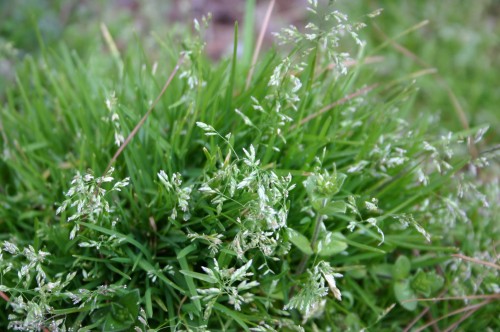
Controlling Annual Bluegrass When Overseeding Fescue in Fall
Annual bluegrass (Poa annua) germinates in late summer/fall as soil temps drop below 70°F. If youve had it before, you face a dilemma: pre-emergent herbicides stop bluegrass but also prevent fescue seeding. Here are two
Copyright © www.100flowers.win Botanic Garden All Rights Reserved