
Wild Harvesting Risks: Why Collecting Plants from Nature Is Discouraged
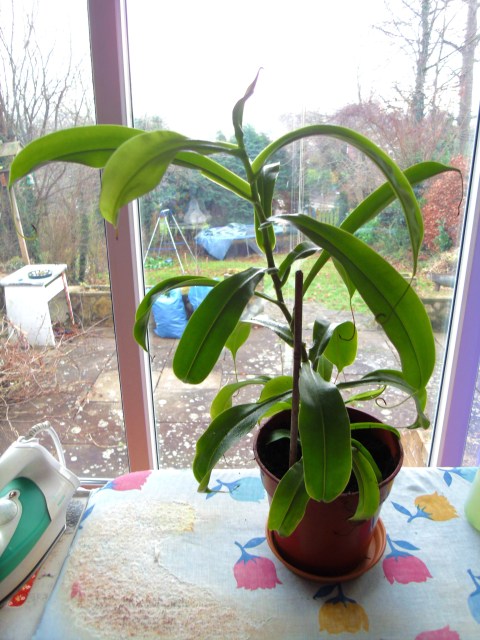
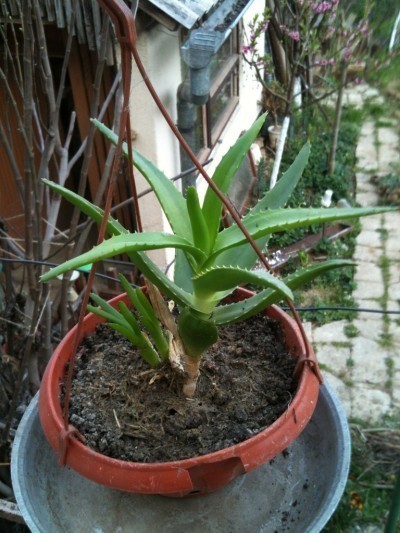
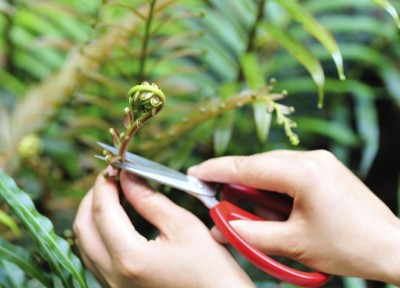
Wild harvesting—removing plants from natural areas for home use—damages ecosystems, may be illegal, and risks introducing diseases/invasives to your garden. Dangers Destroys fragile habitats and animal homes. Water pla

Native Plants: Benefits, Definitions, and Realistic Expectations
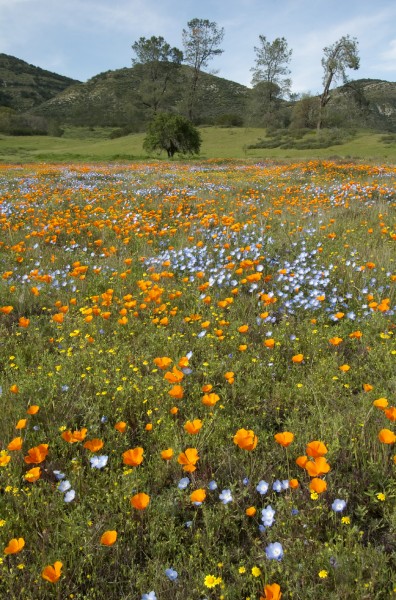
Native plants support local ecosystems, but definitions vary. US Fish & Wildlife: species historically occurring without human introduction. Some states restrict to pre-European-contact flora. Gardeners choose their own
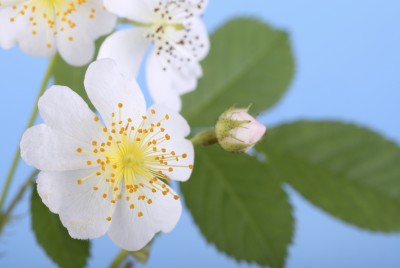
Invasive Plants: Why to Avoid Exotic Species in Your Garden
Invasive plants are non-native species that spread aggressively, damaging ecosystems and outcompeting natives. Unlike weeds (which mainly annoy people), invasives harm wildlife and agriculture. Case Study: Multiflora Ro
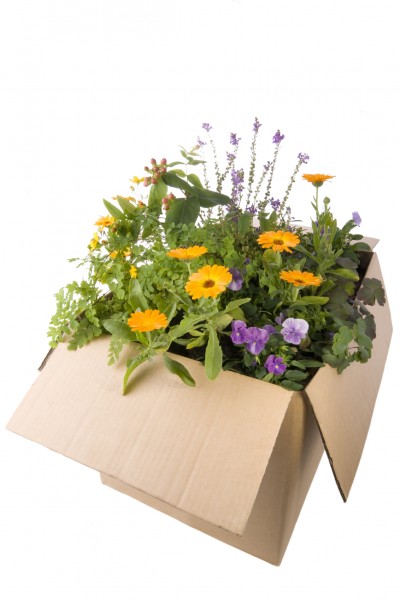
Shipping Live Plants by Mail: Packaging, Labeling, and Carrier Tips
Sharing plants via mail is rewarding but requires careful prep to ensure survival. Follow these guidelines for successful shipping. Four Key Steps 1. Prepare the Plant Remove from soil, shake excess—do not wash roots (

DIY Bordeaux Fungicide: Recipe, Preparation, and Application Tips
Bordeaux mixture (copper sulfate, hydrated lime, water) controls fungal diseases (downy/powdery mildew, black spot) and bacterial issues (fire blight) during dormancy. Apply in fall/winter for spring protection. Standar
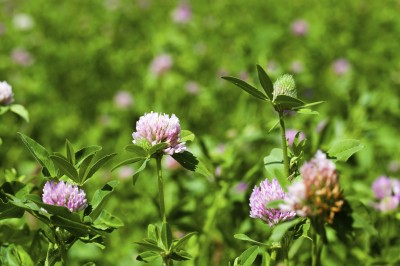
Edible Wild Plants: Foraging Guide for Common Native Species
Many wildflowers and native plants are edible and tasty—but absolute certainty of identification is mandatory. Some parts may be toxic or deadly. Common Edible Wild Plants Cattails: Starchy roots (raw, boiled, roasted)
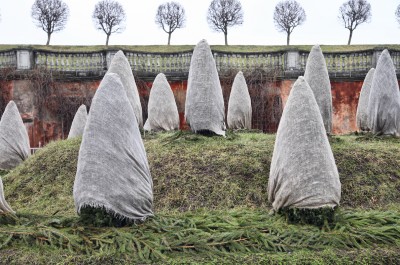
Protecting Plants with Burlap: Winter Frost and Sunscald Defense
Burlap shields plants from winter frost, snow, ice, and sunscald (caused by winter sun on frozen soil). Unlike plastic, burlap breathes, preventing heat buildup. How to Wrap Plants Place 3–4 stakes around plant, leavin
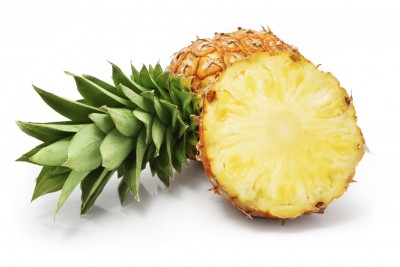
Parthenocarpy: Seedless Fruit Development Explained
Parthenocarpy—fruit development without fertilization—produces seedless fruits like bananas, figs, and pineapples. It occurs naturally or can be induced with plant hormones (gibberellic acid) for larger yields. Types of

Halloween Garden Décor: Themed Ideas for a Festive, Not Frightening, Display
Halloween garden decorating should delight, not terrify. A cohesive theme keeps it tasteful, inviting, and fun—especially for trick-or-treaters. Choose Your Theme Kid-friendly: Harvest, pumpkin patch, funny characters
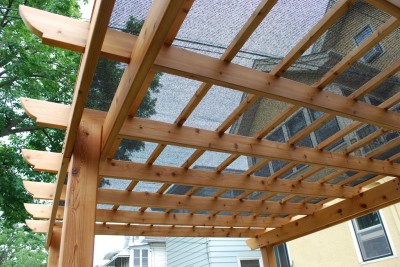
Shade Cloth for Gardens: Protecting Plants from Sun and Winter Burn
Shade cloth shields plants from intense summer sun and prevents winter sunscald on evergreens. Available in various materials, weights, and colors (UV-stabilized polyethylene, aluminum, netting), it’s a versatile tool.
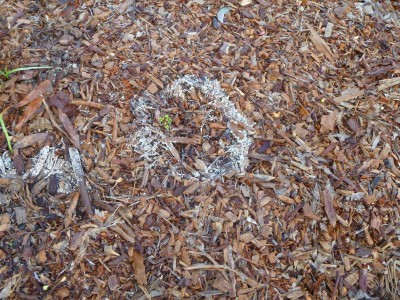
Mulch Fungus: Types, Benefits, and When to Act
Organic mulch (bark, leaves, compost) naturally hosts fungi—they’re essential decomposers, not problems. Most mulch fungi are harmless or beneficial, improving soil fertility and water retention as they break down woody
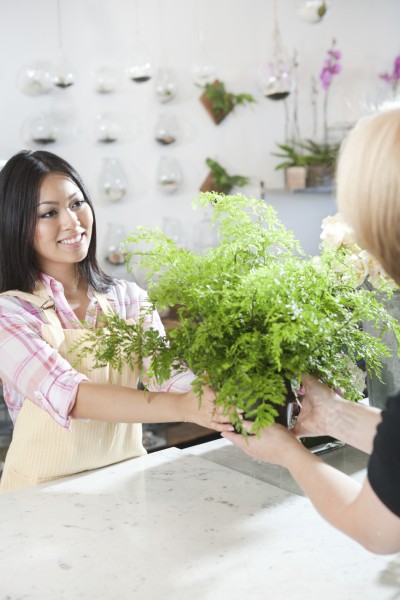
Choosing Healthy Plants at the Nursery: A Buyer’s Checklist
A lush nursery plant can hide problems. Knowing what to inspect ensures you bring home vigorous, pest-free specimens that thrive. What to Check Foliage Bright, even green color (except variegated types). No yellowing,
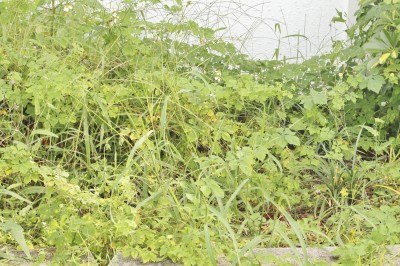
Reclaiming an Overgrown Garden: Step-by-Step Restoration
Time transforms gardens—sometimes into chaotic jungles. Reclaiming an overgrown landscape takes effort, but a systematic approach restores order and beauty over several seasons. Restoration Steps 1. Plant Identification
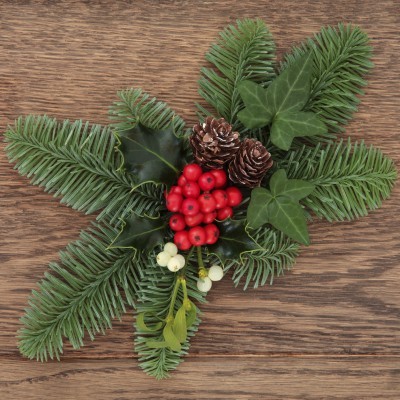
Indoor Greenery: Evergreen Plants for Holiday Décor and Beyond
Bringing evergreen boughs indoors is a centuries-old tradition. Beyond the holidays, greenery adds year-round freshness—but proper selection and care keep it looking vibrant. Best Evergreens for Indoor Use Slow-drying v
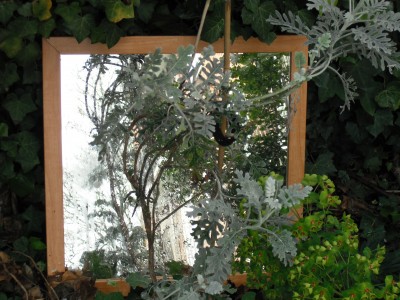
Using Mirrors in Garden Design: Light, Space, and Bird Safety
Garden mirrors amplify light, create illusion of space, and add whimsy—but they must be placed thoughtfully to avoid bird collisions. Benefits and Placement Tips Brighten shady corners; reflect light into dark areas. M
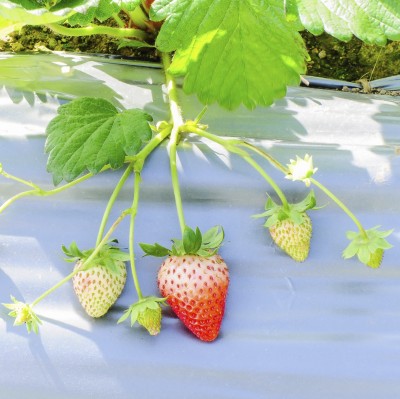
Plasticulture for Home Gardens: Plastic Mulch, Drip Irrigation, and Early Harvests
Plasticulture—using plastic mulch, drip irrigation, and row covers—boosts yields and advances harvests by weeks. Though common in commercial farming, home gardeners can adapt these methods for impressive results. How Pl

Becoming a Master Gardener: Training, Volunteer Work, and Community Impact
Master Gardener programs, run by university Extension services, train volunteers in region-specific horticulture. If you love gardening and helping others, this could be your path. What Is a Master Gardener? A trained v
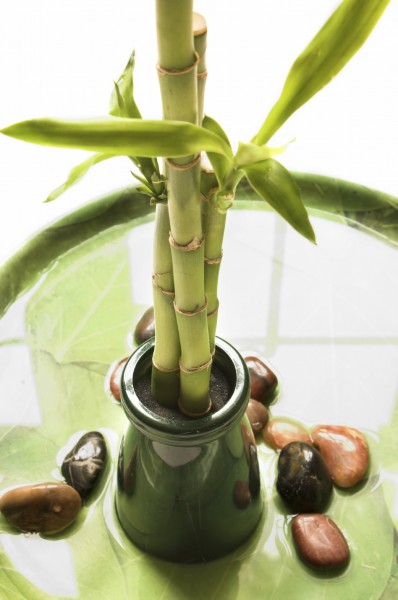
Lucky Plants for Home and Garden: Cultural Symbols of Good Fortune
Many cultures associate specific plants with luck, prosperity, and protection. Whether for Feng Shui, folklore, or tradition, these plants add meaning to your indoor and outdoor spaces. Lucky Indoor Plants Lucky Bamboo

Garden Seating Ideas: Types, Styles, and Practical Tips
Outdoor seating should reflect your personality and gardening style while providing comfort. From rustic benches to dramatic fainting couches, options abound for every budget and taste. Choosing Seating That Fits You L
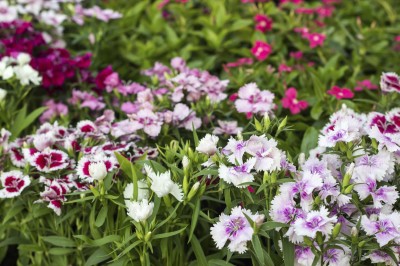
Reseeding Plants: Managing Self-Seeders for a Thriving Garden
Reseeding (self-seeding) plants offer free, renewable garden additions—but without management, they can become unruly. These annuals, biennials, and even some vegetables drop viable seeds that germinate the next season,
Copyright © www.100flowers.win Botanic Garden All Rights Reserved