


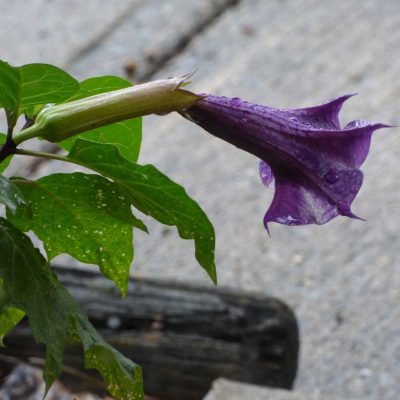
Beautiful garden plants can harbor deadly toxicity. Here are eight common but highly poisonous garden plants:
Rhododendron – Nectar of certain types (especially R. ponticum) is so toxic that nearby honey becomes dangerous. Leaves are less toxic. Azaleas (same family) may also have toxic nectar.
Foxglove (Digitalis purpurea) – One of the most poisonous home garden plants. Even minor ingestion causes nausea, vomiting, diarrhea. Larger amounts cause irregular/slowed heartbeat, potentially fatal.
Rhubarb – Stalks are edible and delicious; leaves are extremely toxic, potentially fatal. Symptoms: respiratory distress, mouth/throat burning, internal bleeding, confusion, coma.
Larkspur (Delphinium) – Ingesting any part, especially seeds/young leaves, rapidly causes nausea, vomiting, slowed heartbeat; sometimes fatal.
Angel's Trumpet (Datura stramonium) – Also called jimsonweed, locoweed, devil's trumpet. Hallucinogenic but overdose common. Symptoms: abnormal thirst, distorted vision, delirium, coma; potentially fatal.
Mountain Laurel (Kalmia latifolia) – All parts toxic: blooms, twigs, leaves, pollen. Causes nasal/oral/ocular watering, severe GI distress, slowed heartbeat, respiratory difficulty; can lead to paralysis, convulsions, coma.
English Yew – Reportedly one of the world's deadliest trees. All parts except berries are so toxic that tiny amounts can stop the heart.
Oleander (Nerium oleander) – Common, toxic, sometimes deadly. Any part ingestion causes stomach cramps.
Exercise caution with these plants, especially around children and pets.
Gardening Fundamentals: Watering, Pest Control, Soil, and Weed Prevention
Organic Gardening Foundations: Beginner-Friendly Techniques for Natural Growing
Key Strategies for a More Productive, Enjoyable Garden
Essential Organic Gardening Tips for Beginners and Experts Alike
Organic Horticulture Guide: From Soil Prep to Harvest Success
Organic Horticulture Tips: Healthy Soil, Natural Pest Control, and Thriving Plants
Glorious Garden Tips: Natural Mildew Cure, Sun Needs, Cat Deterrents, and Family Fun
Advanced Organic Horticulture Methods for Superior Results
Learn Organic Gardening: From Intimidating to Enjoyable
Best Plants for a Mediterranean Garden
Best Plants for Hanging Baskets: Sun, Shade, and Indoor Varieties
Copyright © www.100flowers.win Botanic Garden All Rights Reserved