Botanical Latin Made Simple: Understanding Scientific Plant Names
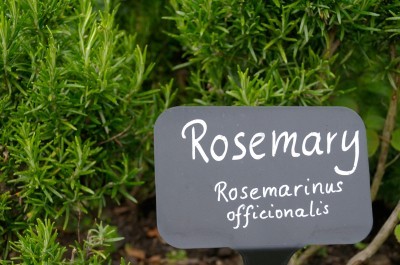
Latin names intimidate many gardeners, but theyre actually a precise, universal language. Acer rubrum means the same red maple in Iowa, Japan, or England — while red maple might refer to three different trees. Heres how

DIY Fungicides: Safe, Homemade Recipes for Garden Fungal Diseases
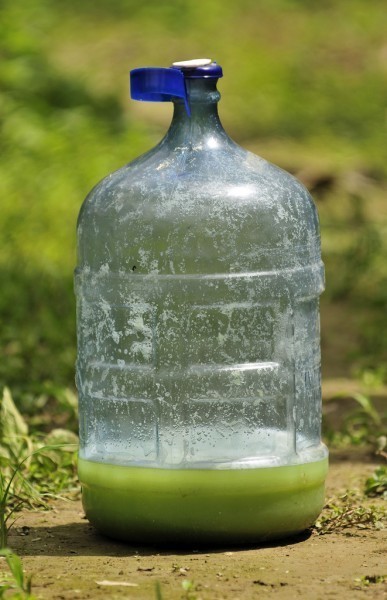
Fungal diseases (powdery mildew, black spot, blight) can ruin a harvest — but harsh chemicals arent your only option. Many effective fungicides can be made from kitchen and garden ingredients. Theyre cheaper, safer, and
Honeydew on Plants: What It Is, What Causes It, and How to Get Rid of It
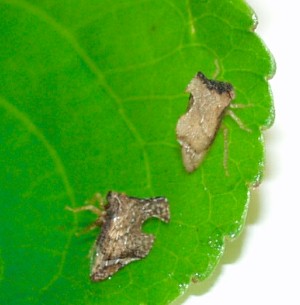
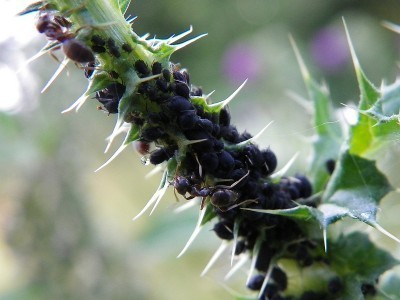
Sticky, shiny leaves? Black sooty mold? Youve got honeydew — the sugary excretion of sap-feeding insects like aphids, mealybugs, soft scale, and whiteflies. The honeydew itself doesnt hurt the plant, but the insects do,
Plant Supports: Choosing and Using Stakes, Cages, Trellises & More
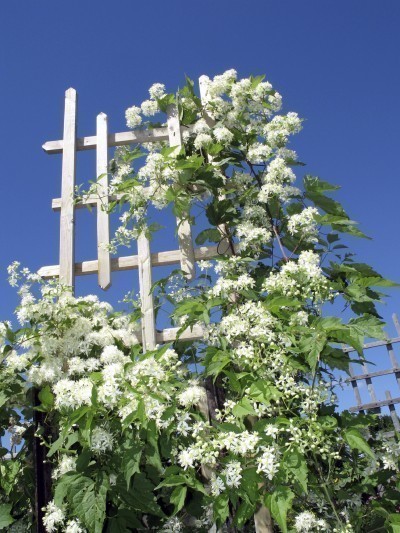
Tall, top-heavy, or wind-exposed plants need support to stay upright and healthy. The right support — installed at the right time — is nearly invisible and prevents damage. Heres a guide to types, techniques, and which
Rooting Hormone 101: How to Use It for Successful Plant Cuttings
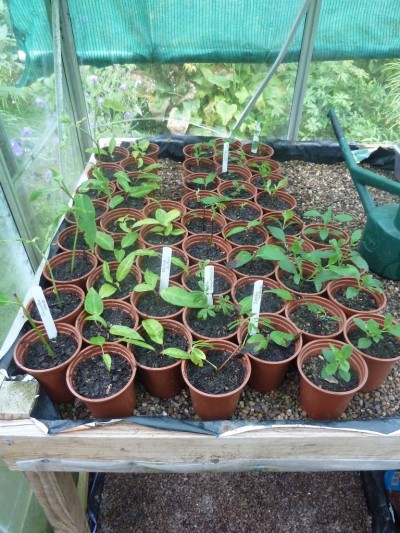
Rooting hormone (auxin-based powder, gel, or liquid) dramatically increases success rates for propagating cuttings — especially for woody or reluctant plants. It speeds root initiation, improves root quality, and reduce
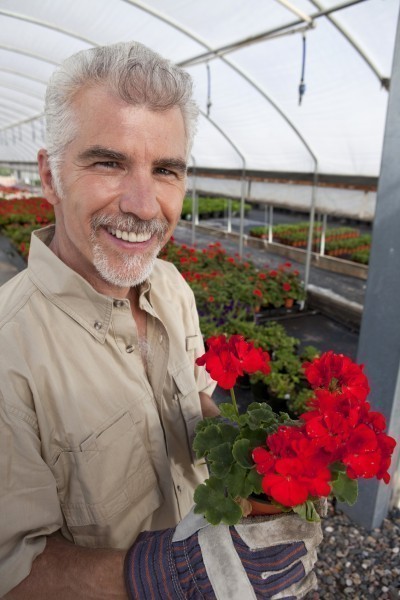
Your County Extension Office: Free, Expert Gardening Help Right in Your Community
Every U.S. county has a Cooperative Extension office — a local outpost of your states land-grant university, staffed by experts who translate research into practical advice for gardeners, farmers, and families. Its one
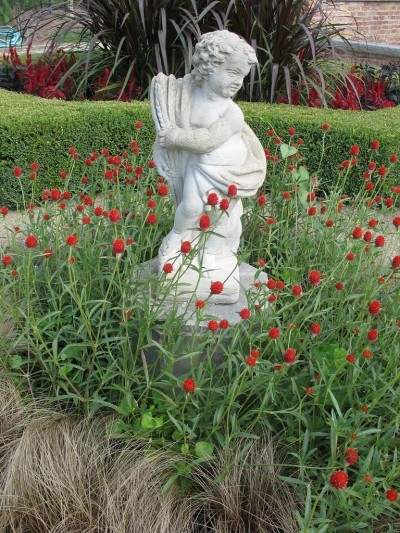
Creating Garden Focal Points: Design Principles and Ideas
A well-placed focal point draws the eye, creates order, and gives a garden personality. It can highlight a beautiful feature — or distract from an eyesore. The secret? Less is more. One strong focal point beats a clutte
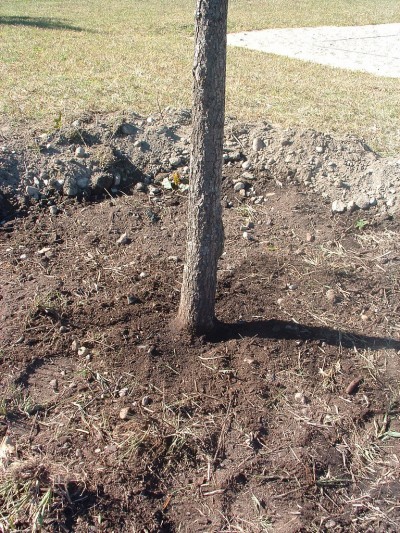
Replant Disease: Why New Plants Fail in Old Spots and How to Prevent It
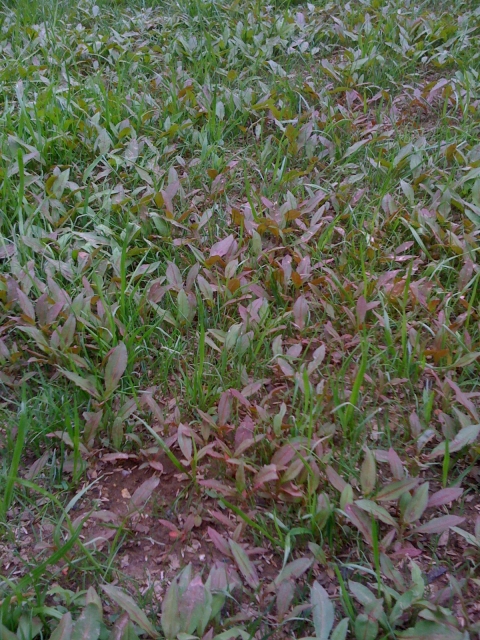
You loved that rose bush — but it died. Now you want to plant a new one in the same spot. Stop. Replant disease (also called soil sickness) can stunt or kill susceptible species planted where the same or related plants
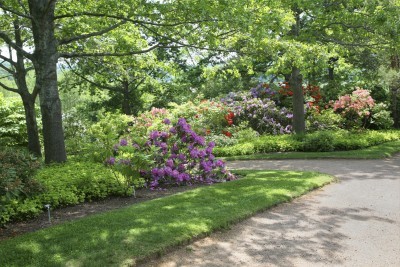
Partial Shade Gardening: What It Is and the Best Plants for It
Partial shade — roughly 2–4 hours of direct sun, often dappled through tree branches — is one of the most common yet misunderstood garden conditions. Its not deep shade, and its not full sun. Plants here get a mix of li
Full Sun Gardening: What It Really Means and How to Plan for It
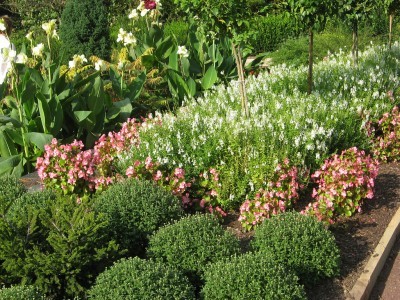
Full sun sounds straightforward — but its more nuanced than sun all day. By definition, full sun means at least 6 hours of direct, unfiltered sunlight daily. Yet intensity varies by time of day, season, and latitude. Af
Using Honey as a Natural Rooting Hormone for Cuttings
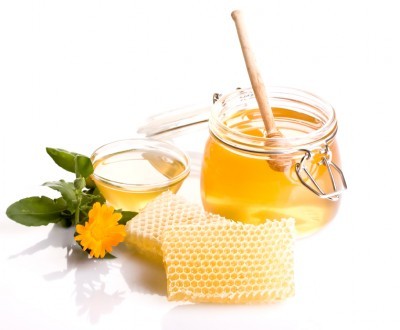
Honey isnt just for tea — its natural enzymes, antifungal, and antibacterial properties make it a surprisingly effective rooting aid for plant cuttings. Many gardeners swear by it as a chemical-free alternative to synth
Moving Garden Plants to a New Home: A Step-by-Step Guide
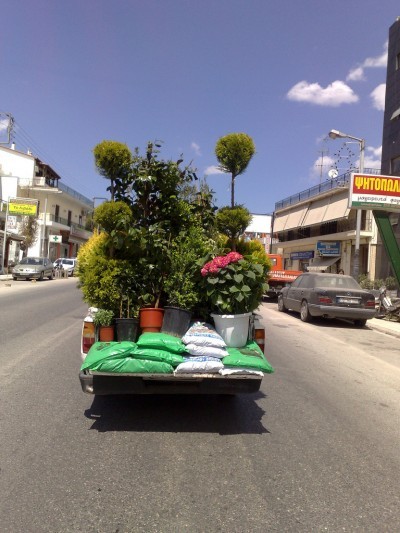
Leaving a beloved garden behind is hard — but many plants can come with you if you plan carefully. Timing, technique, and aftercare make the difference between survival and loss. Heres how to relocate your green compani
Guerrilla Gardening: Turning Neglected Spaces Into Green Oases
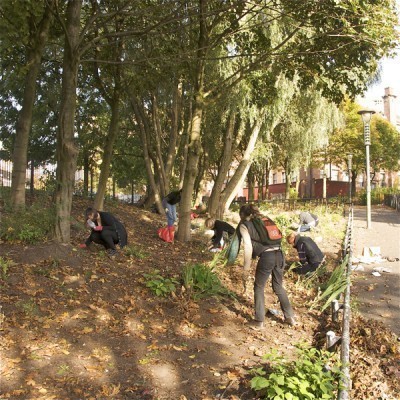
Guerrilla gardening began in the 1970s as a grassroots movement to reclaim abandoned urban land — vacant lots, traffic medians, neglected planters — for beauty, food, and community. Once done covertly at night, its now
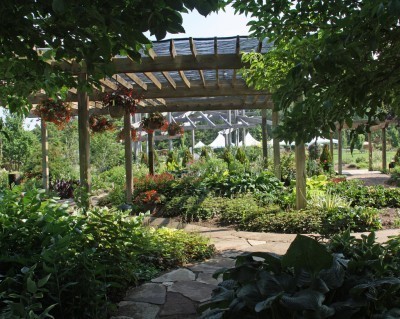
Full Shade Gardening: What It Means and What Thrives There
Full shade doesnt mean total darkness — it means no direct sunlight hits the area all day. Light may be reflected off walls or filtered through a dense canopy, but the suns direct rays never touch the ground. Many beaut
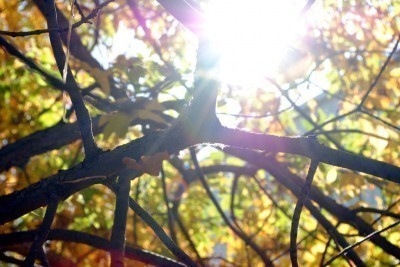
Partial Sun vs. Partial Shade: Decoding Garden Light Requirements
Plant tags often list light needs like partial sun or partial shade — terms that sound similar but mean different things. Getting this right is crucial, because light drives photosynthesis, the engine of plant growth. H
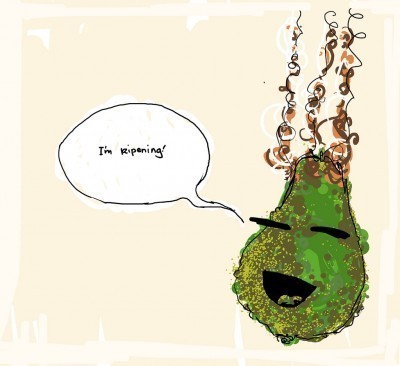
Ethylene Gas: The Invisible Ripening Hormone in Your Fruit Bowl
Ever wonder why a ripe banana makes nearby avocados soften overnight? The culprit is ethylene — a natural, odorless, invisible hydrocarbon gas that acts as a plant hormone. It regulates growth, development, and ripening
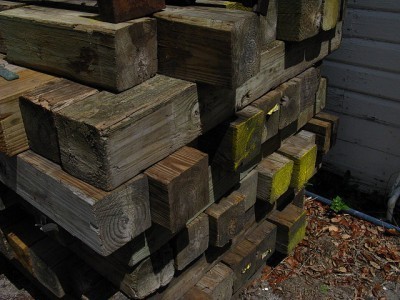
Is Pressure-Treated Lumber Safe for Raised Garden Beds?
Raised beds are a fantastic way to grow abundant food in limited space, and wood is a popular, attractive choice for framing them. But not all lumber is created equal. For decades, pressure-treated wood — infused with c

Understanding Garden Aspect: How Wall and Window Orientation Affects Plants
Experienced gardeners know that sunlight isnt just about quantity — direction matters. The orientation of walls and windows shapes the microclimate of your planting beds, influencing light intensity, temperature, wind e
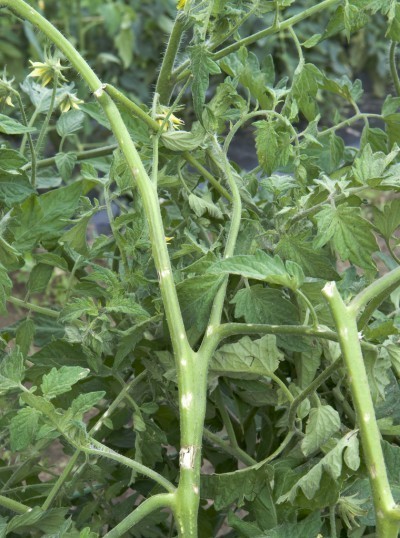
How to Reattach Broken Plant Stems Using Splice Grafting
Few gardening mishaps are as disheartening as a snapped stem on a prized vine, shrub, or young tree. The good news? You can often save the broken piece by borrowing a technique from grafting: splice grafting. This metho
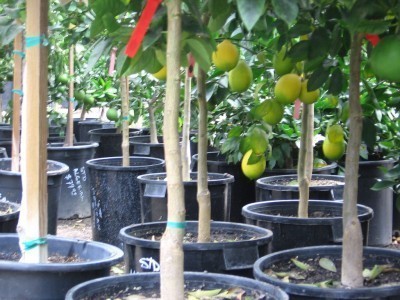
Decoding Nursery Pot Sizes: A Guide to Common Container Classes
If youve ever browsed a mail-order plant catalog, youve likely encountered cryptic designations like #1, #2, or #5 pot sizes. These numbers can be confusing, but theyre actually a standardized system used by nurseries t
Copyright © www.100flowers.win Botanic Garden All Rights Reserved