


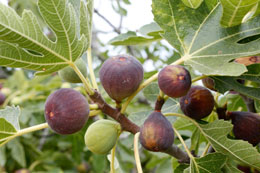
Fig Tree Pruning: Simple Rules for Better Fruit and Shape
Fig trees (Ficus carica) are vigorous, deciduous trees that reward minimal pruning with abundant, sweet fruit. The key is timing—prune during dormancy—and restraint—never remove more than a third of the canopy. Growing

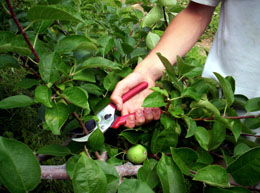
Apple Tree Pruning: From Young Trees to Overgrown Restoration
Annual pruning is essential for apple trees to ensure sunlight penetration, air circulation, and consistent fruiting. Whether youre training a dwarf variety, rejuvenating a neglected orchard tree, or managing a mature sp
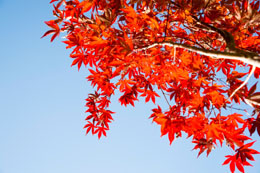
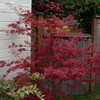
Japanese Maple Pruning: Timing, Tools, and Techniques for Elegant Form
Japanese maples (Acer palmatum) are prized for their graceful branching, delicate foliage, and stunning seasonal color. Pruning enhances their natural beauty, but requires a light touch and an eye for structure. When to
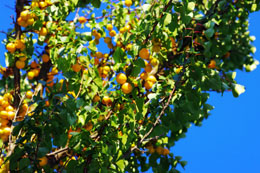
Pruning Apricot Trees: A Step-by-Step Guide for Young and Mature Trees
Apricot trees (Prunus armeniaca) reward careful pruning with sweet, abundant fruit. The approach changes as the tree matures: early training establishes a strong scaffold, while later maintenance balances fruit productio
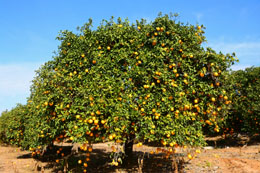
Citrus Tree Pruning: Essential Steps for Better Fruit and Health
Many assume citrus trees thrive without pruning, but regular maintenance is key to high-quality fruit, disease prevention, and manageable size. While most citrus need pruning only every two years, lemons require more fre
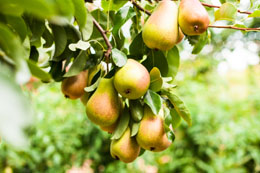
Pruning Pear Trees: Timing and Techniques for Healthy Harvests
Pear trees (Pyrus spp.) are among the easiest fruit trees to grow, yet many gardeners hesitate when it comes to pruning. Understanding the trees growth habits—fruit borne close to main branches, relatively brittle wood—h
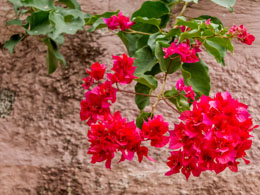
Mastering Bougainvillea Pruning: Tips for a Spectacular Display
Bougainvillea vines bring vibrant color to any garden, but their vigorous growth can quickly become unruly. Proper pruning keeps these plants healthy, shapely, and blooming profusely. Whether youre shaping a trellis, a p
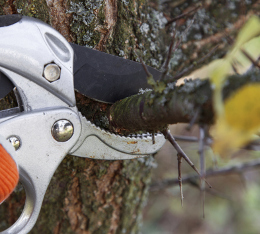
Oleander Pruning: Spring Protocol for Safety & Abundant Flowers
Oleander (Nerium oleander, USDA zones 9-11, 10-18 ft) is a poisonous but showy evergreen with orange/pink/white/yellow/red blooms. Pruning shapes it as shrub or tree while maximizing flowers. Spring Pruning Checklist
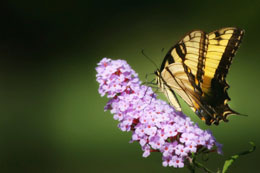
Butterfly Bush Pruning: Dormant Season Guide for Maximum Blooms
Butterfly bush (hardy, frost-tolerant) attracts butterflies, hummingbirds, and beneficial insects with fragrant, nectar-rich flowers. Pruning controls aggressive spread and boosts blossoms. Optimal Pruning Timing Dor
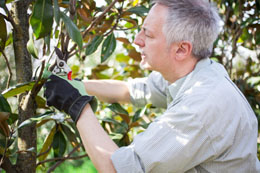
Tree Trimming Tips by Species: Oak, Apple & Pine Specific Guidance
Species-specific trimming maximizes health, prevents power line conflicts, shapes trees, and stops rot spread on dead/broken branches. General Principles Remove dead/diseased branches Trim tight crotches (rot-prone)
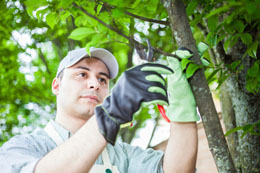
How to Prune a Tree: Professional Techniques for Health & Structure
25% crown at once. Professional Crown Techniques Crown Raising: Remove lower crown branches for clearance (pedestrians, vehicles, buildings) Crown Thinning: Selective branch removal for light/air penetration (mainly
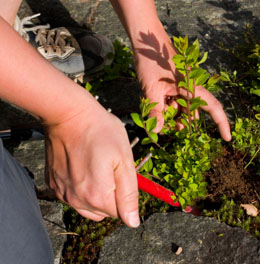
Spirea Pruning: Simple Annual Maintenance for Vibrant Blooms
Spirea (meadow-sweets, 90 species, Northern Hemisphere native) is disease-resistant, soil-adaptable, and low-maintenance. Toxic methyl salicylate—never consume. Historically used by Native Americans for pain/fever. An
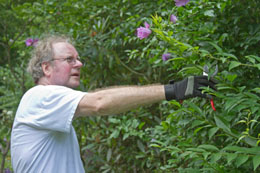
Rose of Sharon Pruning: Spring Schedule for Maximum Flowers
Rose of Sharon (hibiscus family, 8-10 ft, USDA zones 5-9) produces stunning purple/pink/blue/white flowers. Pruning enhances bloom size and plant form. Young Plant Pruning Timing: Late March to early May (late winter
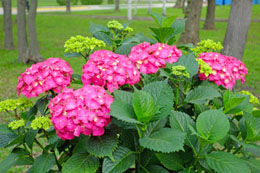
When to Prune Hydrangeas: Complete Guide by Variety
Hydrangea pruning timing varies by type. All benefit from spent bloom and dead stem removal, but incorrect timing sacrifices flowers. By Variety Pruning Schedule Florist Hydrangea (H. macrophylla / Mophead / Bigleaf)
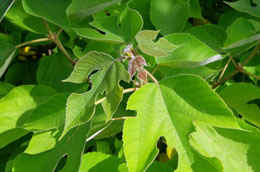
Fruitless Mulberry Tree Pruning: Seasonal Guide for Shape & Vigor
Fruitless mulberry (Morus, 30-50 ft) is a fast-growing, drought-tolerant shade tree with lobed green leaves and rounded crown. Less messy than fruiting varieties. Pruning controls size, shape, and health. Pruning Timi
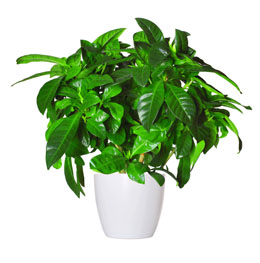
Gardenia Bush Pruning: Timing, Tools & Techniques for Beautiful Blooms
Gardenias (shiny dark foliage, fragrant white flowers) are pruned for aesthetics, not health. Warm-climate outdoor or container indoor plants needing rich, well-drained soil and morning sun. Critical Timing Late summe
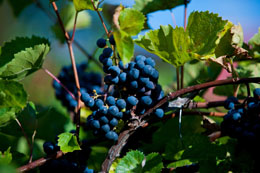
How to Prune Concord Grapes: Annual Vine Maintenance for Healthy Fruit
Concord grapes (fox grape cultivar) require annual winter pruning for vigorous vines and quality fruit. Deep blue-purple, seeded, fragrant berries for eating, wine, juice, jellies, and candies. Pruning Timeline When:

Essential Pruning Tools Guide: Matching Equipment to Branch Size & Height
Selecting the right pruning tool depends on branch diameter, height, and volume. Proper tools prevent crushing wounds that invite disease. Tool Selection by Branch Size Hand Pruners (≤2.5 cm / 1 inch) Bypass (curved,
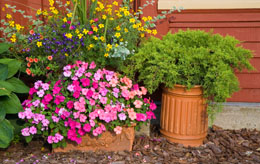
How to Prune Impatiens for Bushy Growth & Continuous Blooms
Impatiens (6-24 inches) thrive in shade with well-drained soil. Mid-summer pruning (July-August) maintains compact shape and improves flowering. Two-Pronged Pruning Approach 1. Flower & Shoot Pinching (Mid-Summer) P
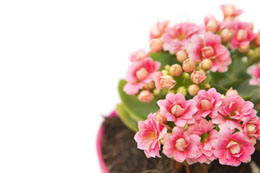
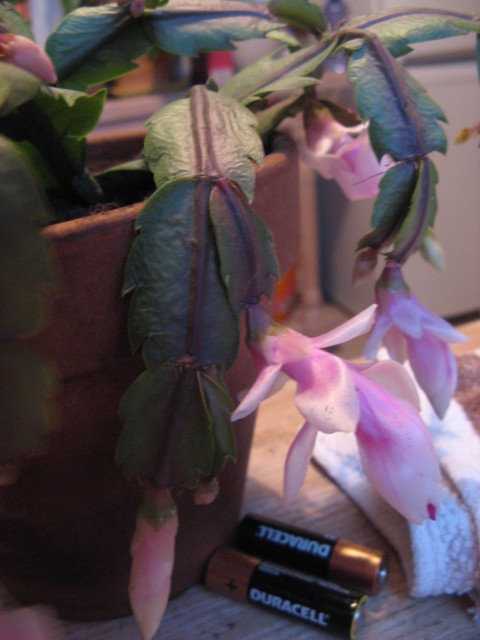
Kalanchoe Pruning & Propagation: Post-Bloom Care for Reblooming
Kalanchoe (125 subspecies) blooms late winter through spring as a short-day plant (needs <11 hours daylight). Proper post-bloom pruning ensures reblooming next season. When to Prune After blooming ends—when flowers br
Copyright © www.100flowers.win Botanic Garden All Rights Reserved