


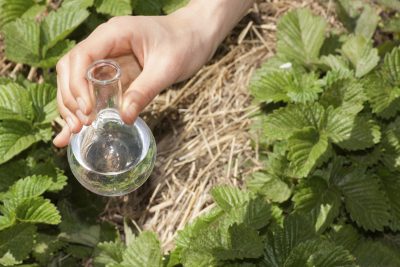
Water covers 71% of Earth and comprises 50-65% of our bodies, yet we often take its quality for granted. While drinking water safety is well-monitored, the water we give our plants deserves equal attention. Contaminated irrigation water disperses throughout the entire plant via its vascular system—stems, leaves, buds, and fruit. This poses risks for edible crops and can cause ornamental plants to discolor, stunt, grow irregularly, or die.
Municipal water is regularly tested and generally safe for edible plants. However, well, pond, or rain barrel water may harbor contaminants. Fertilizer runoff introduces excess nitrogen, causing plant discoloration and potential illness if consumed. Pathogens like E. coli, Salmonella, Shigella, Giardia, Listeria, and Hepatitis A can contaminate well, pond, or rainwater, sickening people and pets. Test wells and ponds annually if used for edibles.
Rain barrels are eco-friendly but can collect bird/squirrel droppings and roof runoff containing heavy metals like lead and zinc. Clean barrels annually with bleach solution, add monthly chlorine treatments (1 oz per barrel), and consider test kits, pumps, and filters.
Home pond test kits are available, or contact your local Department of Public Health for well/pond testing resources. For example, searching "Wisconsin Department of Public Health Water Testing" leads to detailed price lists from state hygiene laboratories. While testing costs vary, they're reasonable compared to potential medical expenses from contaminated produce.
First Cactus Care Guide: From Hardware Store to Healthy Plant
Mastering Plant Watering: When, How Much, and Pro Techniques
Water-Wise Garden Design: Hydrozoning and Drought-Resilient Plants
Deep Water Culture Hydroponics: Build Your Own DWC System Step by Step
Rock Garden Plants: Best Low-Maintenance Selections for Rocky Terrain
Creating a Low-Maintenance Garden for Non-Gardeners
Well Water Testing: What to Test, When, and How Through UGA Extension
Why Indoor Sarracenia purpurea Fails: Water Crystals, Low Light, and Fungus
Systemic Insecticide for Mealybugs: Dosage, Safety & Alternatives
Indoor Jasmine and Michelia Champaka Care in New York Apartments
Keeping Houseplants Hydrated During a Week-Long Vacation
Choosing the Best Water for Your Houseplants
Copyright © www.100flowers.win Botanic Garden All Rights Reserved