


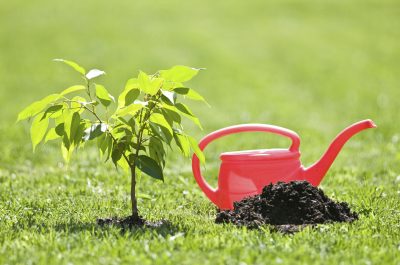
"Water it well when planting"—common advice, but what does it actually mean? Insufficient watering prevents deep, vigorous root development. Here's how to properly water new garden plants.
First, assess drainage: ideal soil drains 1-6 inches per hour. Amend fast-draining soil with organic matter or choose drought-tolerant plants. Amend slow-draining soil or select wet-tolerant species.
Watering depends on plant type, soil, and weather. Drought-tolerant plants need less; overwatering causes rot. Sandy or clay soils require adjusted habits. Rainy seasons need less watering; dry seasons need more.
Regardless, water all new plants deeply every time—wet soil 6-12 inches deep encourages deep roots. Allow slight drying between waterings to prompt roots to seek moisture. Deep, infrequent watering creates strong roots; light, frequent watering creates shallow, weak roots.
Water at the plant base. Soaker hoses work for groups; individual hoses for single plants to avoid overwatering established neighbors.
Container plants need daily or every-other-day watering. Finger-test soil: dry = water; wet = wait. Proper first-season watering establishes deep, resilient roots for future drought tolerance.
Low Pressure on a New 97-Foot Deep Well with 1 HP Pump
Watering Houseplants with Bottled Water: Fine but Costly
Vacation Watering for Large Houseplants
The Great Watering Debate: Thorough Soaking vs. Frequent Light Watering
Watering Houseplants with Softened Water: Don't Do It
Watering Vegetable Gardens: Chlorine, Rainwater, and Timing Best Practices
Cold Water Shock on Tomato Seedlings
Comprehensive Tomato Watering and Nutrition Fix
Planting Aquatic Plants: Containers, Techniques, and Seasonal Timing
Watering Guidelines: Understanding Plant Needs, Soil, and Weather
Greenhouse Watering Systems: Why Drip Irrigation Beats Sprinklers
Copyright © www.100flowers.win Botanic Garden All Rights Reserved