
Clivia Seed Germination: Medium, Timing, and Seedling Development
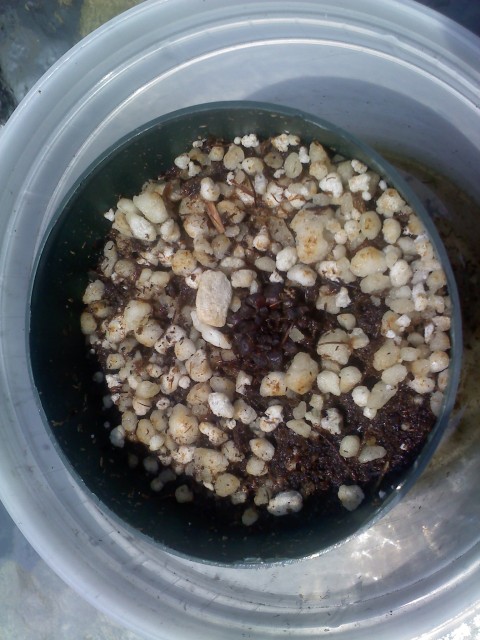
Optimized Clivia Seed Protocol Medium: Pot with potting soil + 1/4 inch vermiculite (or perlite) top layer. Sowing: Press seeds halfway into vermiculite after removing fleshy coating. Watering: Bottom-water only (pot in

Container Depth for Carrots: Matching Varieties to Pot Size
The 4-Inch Container Problem Standard carrots (6–12 inches long) in 4-inch deep containers will develop deformed, bent, or forked roots when they hit the bottom. This reduces quality and harvestability. Solutions for Sh
Plant Breeding Basics: From Wild Ancestors to Modern Varieties
How Humans Change Plants Plant breeding harnesses natural sexual reproduction (pollen + ovule) through selective crossing over generations: Identify desirable traits (yield, flavor, disease resistance, climate adaptati
Navel Orange Seed Discovery: Mutation, Viability, and Expectations
Why a Seed in a Seedless Orange? Navel oranges are hybrids propagated by grafting. Occasionally, a genetic mutation or recessive trait expression causes seed formation—a rare throwback to ancestral seeded types. This is
Italian Cypress Seed Identification and Germination Protocol
Hybrid vs. Non-Hybrid Identification Distinguishing hybrid Italian cypress (Cupressus sempervirens cultivars) from species types requires expert knowledge. Consult Jim Hyland (AllExperts Tree category) for reliable ident
Canna Hybridization: Pollen Compatibility and Seedling Variation
Understanding Your Cannas Yellow canna: Sterile hybrid—no viable pollen or ovules. Produces no seeds. Salmon canna: Fertile—produces viable seeds. Cross-Pollination Experiment Applying yellow cannas pollen to salmon c
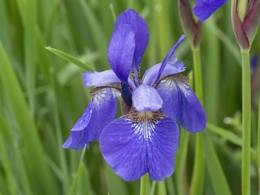
Iris Seed Pod Harvesting: Proper Drying, Extraction, and Storage
Correct Pod Handling Breaking dry pods with a hammer risks damaging seeds. Proper method: Harvest pods when fully brown and splitting at tips. Open gently over white paper plate to collect dark brown/black seeds. Store
Early Spring Seed Starting: Cold Frames, Germination Timing, and Sun Exposure
Cold Frame vs. Indoor Starting Use cold frames only for cold-hardy crops: lettuce, spinach, onions, cabbage, peas, cauliflower. Tender crops (peppers, tomatoes, basil) must start indoors under lights. Germination Temper
Persimmon Seedling Timeline: Fruiting Age and Pollination Biology
The Long Wait for Persimmon Fruit Seed-grown persimmons (Diospyros spp.) are a generational project: Earliest fruit: 10 years (rare). Typical range: 25–50 years for reliable crops. Comparison: Similar to pecans and othe
Seedling Recovery After Frost: Onion, Pepper, and Herb Germination
Assessing Frost-Affected Seedlings Onions are cold-hardy and will likely sprout eventually, even after frost exposure. Peppers are tropical—cold, wet conditions cause rot. Your covered pots in the shed created a damp, co
Iris Seed Germination: Cold Stratification and Outdoor Transplanting
Essential Cold Treatment Most iris species require vernalization—60–90 days of cold, moist conditions—to break seed dormancy. This prevents fall germination that would kill seedlings in winter. Step-by-Step Protocol Ex
Cedar Reforestation: Direct Seeding vs. Broadcast Methods
Seeding Strategy for 6 Acres in Vermont Broadcast seeding cedar on 6 acres with 10% success is optimistic but possible. Better approaches: Option A: Systematic Seeding (Higher Success) Plant 2–3 seeds every 10 feet in
Tomato Seedling Cold Tolerance and Fertilization Strategy
Cold Temperature Effects on Seedlings Night temperatures of 45–50°F (7–10°C) in your unheated greenhouse are safe for tomato seedlings. Damage occurs at 32°F (0°C) and below. Cool nights slow growth temporarily but dont
Gardenia Propagation: Why Cuttings Beat Seeds
The Seed Problem Most gardenias (Gardenia jasminoides) are hybrids that rarely produce viable seeds. August Beauty and other cultivars are propagated vegetatively to maintain flower form, fragrance, and bloom period. If
Planting Dormant Hummingbird Vines: Bare-Root and Container Methods
Pre-Planting Preparation Potted vines: Water thoroughly 1 hour before planting. Bare-root vines: Soak roots in water 30 minutes before planting. Planting Procedure Dig hole 2× wider than root ball/pot, same depth. Am
Transplanting a Mature Lilac: Timing, Technique, and Recovery
Best Transplant Window Early fall (September–October) is ideal for lilacs (Syringa vulgaris) in Buffalo, NY. If must move now (spring), do it immediately before heat arrives. Step-by-Step Transplant Protocol Prune seve
Jacaranda Branch Grafting: Feasibility and Alternatives
Grafting onto a Bare Trunk: Not Standard Practice Grafting Jacaranda (Jacaranda mimosifolia) cuttings onto a mature trees bare lower trunk to create low branches is theoretically possible but rarely done. Challenges incl
Avocado from Seed in New Zealand: Flowering Timeline and Pollination Needs
Patience Required: The Long Wait for Fruit Seed-grown avocados (Persea americana Hass) in Aucklands favorable climate typically take 5–15 years to flower and fruit. At 3 feet tall after 2 years, your tree is on track—foc
Tangerine Tree Transplant Shock in Texas Heat: Recovery Strategy
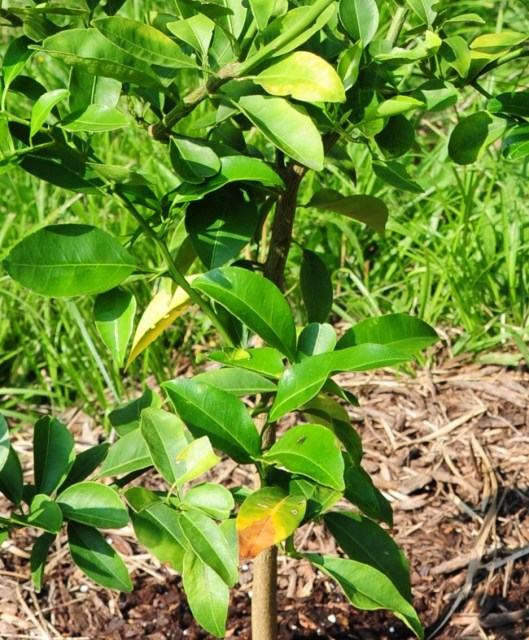
The Core Problem: Wrong Planting Time Planting citrus in South Texas in 90°F+ heat (May–September) causes severe transplant shock. Optimal planting window: October–March. Your trees are now stressed, showing nitrogen def
Confederate Jasmine Leaf Spots: Variegation or Disease?
Diagnosing Red Dots on Jasmine Leaves Red or cream-colored spots on Confederate Jasmine (Trachelospermum jasminoides) leaves often indicate a variegated cultivar rather than disease. Many cultivars like Variegatum or Tri
Copyright © www.100flowers.win Botanic Garden All Rights Reserved