


Annual pruning is essential for apple trees to ensure sunlight penetration, air circulation, and consistent fruiting. Whether you're training a dwarf variety, rejuvenating a neglected orchard tree, or managing a mature specimen, the principles remain the same: remove unproductive wood, open the center, and maintain a balanced framework.
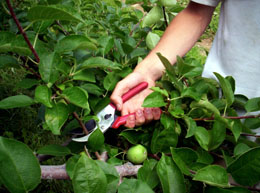
Late winter (dormant season) is best—it stimulates vigorous spring regrowth. Spring or summer pruning reduces next year's crop. Fall pruning encourages tender growth that won't harden before winter.
Cut the central leader back 2–3 feet annually to maintain compact size.
Careful, measured pruning keeps apple trees productive and healthy for generations.
Apple Tree Death Diagnosis and Fire Blight/Codling Moth Management for Home Orchard
Fertilizing Century-Old Locust Trees for Vigor
Diagnosing Apple Tree Fruit and Leaf Problems
Diagnosing Red Mounds on Ornamental Crabapple
Stopping Tree Sprouts After Cutting Down Crabapples
Magnolia Pruning: Don't Top, Do Consult Forester
Pruning Mature Apple Trees: Timing, Techniques, and Resources
Live Oak Pruning: Stop Topping, Prune Low Branches in Winter
Diagnosing Two Problem Trees: Borer and Canker
Recovering a Japanese Maple After Severe Topping
Reviving a Wild Apple Tree: Pruning and Care Guide
Correct Fertilizer Rates for Mature Apple Trees
Copyright © www.100flowers.win Botanic Garden All Rights Reserved