
Bismarck Palm Container Transplanting: Minimizing Root Disturbance
Successful Pot-to-Pot Transplanting Bismarckia nobilis has sensitive roots, but container-to-container moves are manageable with care: Pre-condition: Let soil dry moderately (2–3 days without water). Palms tolerate thi

Choosing Oak Trees for Kansas: Chinkapin, Shumard, or Willow Oak?
Regional Adaptation Concerns In Kansas neutral to alkaline soils, iron chlorosis is a major concern for many oaks. Your research is on point: Chinkapin Oak (Q. muehlenbergii): Proven adaptable to South Central Kansas; t
Norfolk Pine Seed Extraction and Germination from Cones
Collecting and Processing Cones Gather fallen cones—dont climb trees. Each cone scale bears one seed. The Hawaii Extension guide provides detailed commercial-scale instructions adaptable for home use. Germination Protoc
Mimosa Seedling Care: Staking, Pruning, and Long-Term Development
Early Years: Support and Patience Mimosa (Albizia julibrissin) seedlings are naturally slender and flexible. Staking is correct—use loose ties that allow trunk movement, which strengthens the trunk. Expect 3–4 years befo
Snowball Bush Recovery After Storm Damage
Immediate Post-Damage Care When a tree falls on your snowball bush (Viburnum opulus Roseum), prompt pruning is essential: Remove all damaged, crushed, or broken branches cleanly at their base. Shape the remaining growth
Cypress Seed Collection and Germination: Timing Is Everything
When to Harvest Cypress Seeds Green cones contain immature seeds. Wait until cones turn brown and begin opening on the tree—this indicates seed maturity. Collect cones before they fall, or gather freshly fallen ones. Se
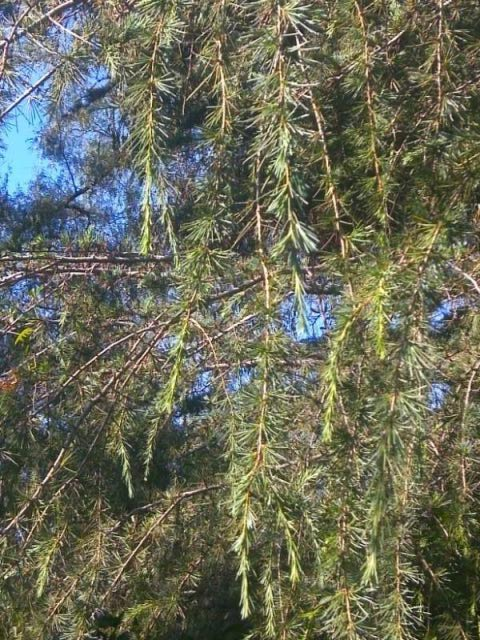
Blue Atlas Cedar Identification and Cutting Propagation Guide
Tree Identification Your 60-foot tree with horizontal branches and weeping lower limbs in San Diego strongly resembles Blue Atlas Cedar (Cedrus atlantica Glauca). Compare with online images for confirmation. Note: cone p
Alaskan Weeping Cedar Seedlings: Understanding Hybrid Variability
Why Volunteer Seedlings Differ from the Parent Alaskan Weeping Cedar (Chamaecyparis nootkatensis Pendula) is a cultivar—a selected clone propagated vegetatively to maintain its distinctive weeping form. Seedlings from it
Delphinium Seed Collection, Storage, and Spring Sowing
When to Harvest Delphinium Seeds Wait until seed pods are completely dry and brown—usually several weeks after flowering. Green pods contain immature seeds that wont germinate. In early July, your pods may not be ready y
Norfolk Pine Seed Sources and Large-Scale Propagation Resources
Finding Norfolk Pine Seeds for a Resort Project As an advice service, I dont sell seeds. For a resort landscaping project in Malaysia, your friend should connect with official agricultural and horticultural resources:
Treating Powdery Mildew on Apple Seedlings
Identifying the Problem White, webby patches on apple seedling leaves that cause bubbling and distortion are classic symptoms of powdery mildew—a common fungal disease. It thrives in humid conditions with poor air circul
Apricot Seed Extraction and Stratification: A Step-by-Step Guide
Getting the Seed Out of the Pit Use a nutcracker to carefully crack the hard apricot pit without damaging the almond-shaped seed inside. Patience is key—apply slow, even pressure. Breaking Dormancy: Cold Stratification
Blueberry Propagation: Why Seeds Aren't the Best Option
The Challenge of Growing Blueberries from Seed While you can technically extract tiny seeds from blueberries and plant them, its not the recommended propagation method. Commercial blueberries are hybrids propagated via c
Troubleshooting Spindly Peach Seedlings: Light, Identification, and Care
Why Your Peach Seedling Looks Like a Vine A peach seedling thats 18 inches tall, spindly, and needs support is almost certainly suffering from insufficient light. Peach trees require full sun—at least 8 hours daily—for s
Growing Catalpa Trees from Seed: Timing and Stratification Tips
When to Plant Catalpa Seeds in Michigan Late July is too late to start catalpa seeds outdoors in Michigan. The seedlings wont have time to establish before winter. Instead, store seeds in a cool, dry place until spring.
Hybrid Tomato Seeds & Blossom Drop: What Gardeners Need to Know
Do Hybrid Tomato Seeds Produce Tomatoes? Yes, seeds from hybrid tomatoes will grow into plants that produce tomatoes. The key difference: hybrid seeds dont breed true. Heirloom tomatoes produce offspring identical to the
Hazelnut Pollination: Choosing Compatible Cultivars for Better Yields
Cross-Pollination Essentials for Hazelnuts Hazelnuts (corylus) require cross-pollination between compatible cultivars for optimal nut production. The Kent Cob variety youre interested in is a specific cultivar that needs
Growing Peaches from Pits: What to Expect from Hybrid Varieties
Can You Grow a White Peach from a Farmers Market Pit? If youve ever enjoyed a delicious white peach from a farmers market and wondered about planting its pit, youre not alone. The short answer: its unpredictable. Most st
Rooting Lilac Cuttings: Keys to Success with Humidity, Heat, and Timing
Cutting Prep Remove all but top 2 leaves. Cut at leaf axil (where leaf joins stem). Avoid blooming tips (energy drain). Medium & Environment Perlite, sand, or soilless mix (not 50/50 perlite/potting soil). Bottom hea
Harvesting and Storing Iris Seeds for Alaska's Long Winter
Harvest Collect pods when they start splitting. Open over paper plate, let seeds fall. Storage Cool, dry, dark (plastic bag or glass jar). Stratification (Required) Damp paper towel, sealed bag, fridge 60–90 days (2–3
Copyright © www.100flowers.win Botanic Garden All Rights Reserved