


A grower’s Cephalotus developed botrytis (gray mold) on pitchers after two weeks under a humidity dome. They removed the dome, added a 40W CFL, and applied Daconil—after which the plant looked worse. Tiny green pitchers were emerging.
Jake said without photos it’s hard to be sure, but reducing humidity was correct. If new pitchers are forming, that’s a good sign. Patience is key—Cephalotus recovers slowly. He invited the grower to the CP Forum for peer support.
Follow-up: The grower learned Cephalotus needs a nightly temperature drop (~20°F). Moving it outside at 60°F nights was the right move.
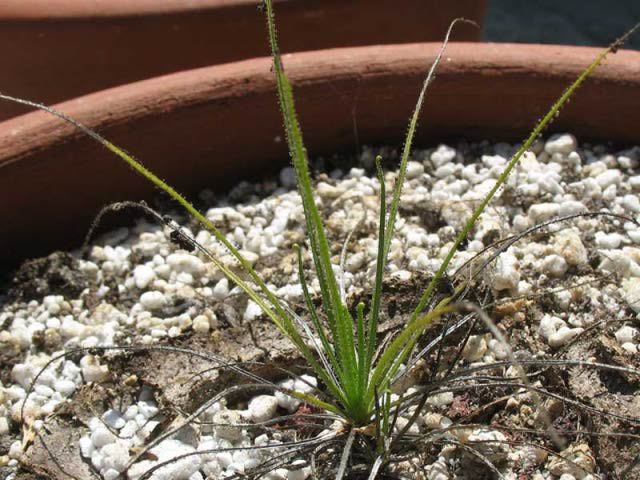
Identifying a Vigorous Nepenthes: Likely N. sanguinea Hybrid
Nepenthes alata Loses Last Pitcher: No Problem—Focus on Light
Fertilizing Cephalotus: Why Osmocote Fails and What Works
Treating Scale on Cephalotus: Systemic Insecticides Work Best
Rescuing a Rotting Cephalotus: Emergency Repotting Guide
Cephalotus Non-Carnivorous Leaves Yellowing in Spring: Normal
Mold in Nepenthes Pitchers After Feeding Fish Food—Terrarium Humidity Is the Culprit
Indoor Gardenia Yellowing Leaves: Light Deficiency, Not Disease, and When to Expect Blooms
Emergency Care for Cold/Wet Damaged Pachypodium
Emergency: Bacterial Leaf Rot on Your Office Orchid
Nepenthes Crown Rot? And Sarracenia Wind Damage
Trimming Old Baby Pitchers on Sarracenia: Necessary or Optional?
Nepenthes Ventrata Pitchers Shriveling After Shipping: Acclimation Explained
Cephalotus Care: Light, Water, and Temperature Tips for Windowsill Growing
Copyright © www.100flowers.win Botanic Garden All Rights Reserved