


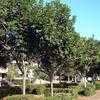
Cupaniopsis anacardioides, commonly known as Carrotwood, Tuckeroo, or Brush Deal, is a handsome evergreen tree native to Australia's coastal regions. Prized for its neat, rounded canopy and attractive foliage, it has become a popular street and shade tree in warm climates worldwide.
| Family: | Sapindaceae (sap-in-DAY-see-ee) |
| Genus: | Cupaniopsis (ku-pan-ee-OP-sis) |
| Species: | anacardioides (an-a-kar-dee-OH-id-eez) |
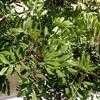
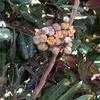
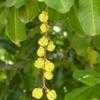
This medium-sized tree typically reaches 30-40 feet tall with a similar spread, forming a dense, rounded crown. The glossy, compound leaves feature 4-12 leathery leaflets that emerge with a coppery tint before maturing to deep green. Small, fragrant white flowers appear in spring, followed by distinctive orange-yellow capsules that split open to reveal shiny black seeds.
Carrotwood thrives in full sun to partial shade and tolerates a wide range of soils, including coastal conditions, drought, and urban pollution. It's hardy in USDA zones 9-11 and makes an excellent low-maintenance shade tree once established.
Valued for its tidy growth habit, minimal litter, and resistance to pests and diseases. However, in some regions (particularly Florida), it has shown invasive potential through bird-dispersed seeds. Check local guidelines before planting. When appropriately sited, it provides excellent shade, windbreak, and ornamental value.
Desert Rose (Adenium obesum): Sculptural Succulent with Showy Blooms
Persian Shield (Strobilanthes dyerianus): Iridescent Foliage for Shade
Madagascar Palm (Pachypodium lamerei): Spiny Succulent Tree
Majesty Palm (Ravenea rivularis): Elegant Feather Palm for Interiors
Lion's Tail (Leonotis menthifolia): Whorls of Orange Tubular Flowers
Foxtail Palm (Wodyetia bifurcata): The Plumose Palm for Tropical Elegance
Chocolate Cosmos (Cosmos atrosanguineus): The Scented Dark Flower
Coconut Palm (Cocos nucifera): The Iconic Tropical Palm
Showy Medinilla (Medinilla magnifica): The Philippine Orchid Tree
Great Bougainvillea (Bougainvillea spectabilis): Vigorous Vine with Colorful Bracts
Zebra Plant (Aphelandra squarrosa): Striking Foliage and Golden Blooms
Bottle Palm (Hyophorbe lagenicaulis): The Unique, Bottle-Shaped Trunk Palm
Peace Lily (Spathiphyllum wallisii): The Elegant, Air-Purifying Houseplant
Siam Tulip (Curcuma alismatifolia): The Tropical Ginger with Tulip-Like Blooms
Copyright © www.100flowers.win Botanic Garden All Rights Reserved