
Bog Garden pH Management and Venus Flytrap Winter Strategy in Canada
pH monitoring is unnecessary with correct ingredients: peat/sphagnum mixes are naturally acidic. Peat releases tannic acid; commercial potting soils add lime to neutralize—avoid these. All listed plants (S. purpurea, Dai


Sarracenia Propagation: Rhizome Division vs. Leaf Cuttings
Sarracenia propagate best by rhizome division—wait until 3-4 solid crowns exist. Leaf cuttings work poorly and only for a few species. Division timing varies: S. flava may divide in 2 years, S. psittacina takes 4+. Detai
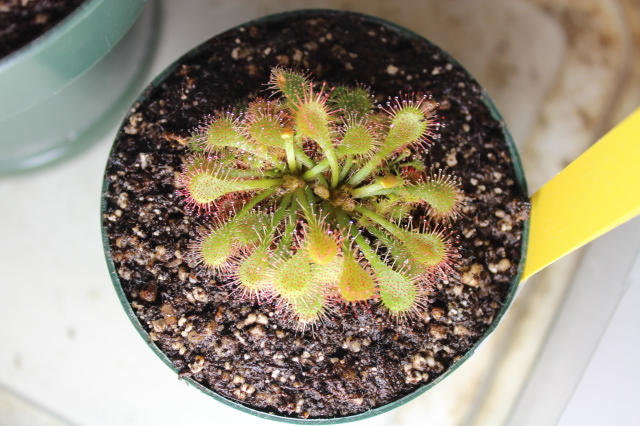
Normal Dark Crown Hairs on Drosera spatulata
The brown/black appearance at your Drosera spatulatas growth point is normal—its a fine mesh of dark trichomes (hairs) covering emerging leaves. Many sundews display this: D. aliciae has nearly black hairs, D. filiformis
Regenerating Sarracenia from Rhizome Sections Without Crowns
Rhizome pieces without growing points can regenerate! Underground stems have dormant nodes activated when apical dominance is removed. Success varies by species: S. oreophila sprouts readily, S. minor poorly, S. leucophy
Sarracenia Density, Pot Size, Winter Water Levels, and Rhizome Division
Density: Crowded rhizomes tolerate close spacing temporarily but need division by the next season. Pot size: Plants grow in small pots with adequate sun/water, but larger pots reduce repotting frequency and allow spectac
Storing Bare-Root Sarracenia in Refrigerator Before Spring Planting
Bare-root Sarracenia leucophylla rhizomes can be refrigerated up to 45 days. They arrive pre-treated with sulfur fungicide—store as received. Check weekly for mold; re-treat with fungicide if needed. Include the care she
Perlite pH Concerns for Sarracenia leucophylla: Choosing the Right Aggregate
Supreme Perlite (silica-based) is pH-neutral. If your local perlite is alkaline, substitute silica sand, small lava rock, or pumice—these open the peat without adding nutrients or altering pH. The 50/50 peat/perlite rati
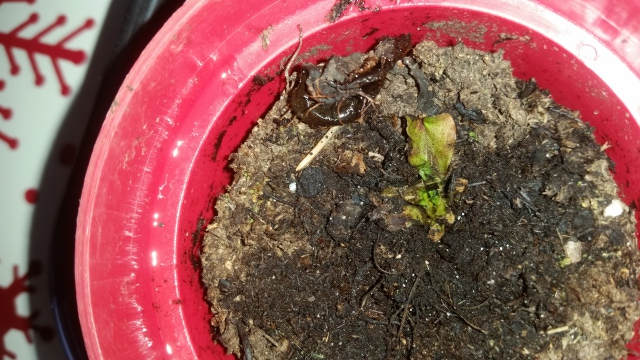
Venus Flytrap Winter Watering: Avoiding Desiccation in Dormancy
Dormant Venus flytraps need consistently damp—not bone dry—soil. Soil pulling away from pot edges indicates dangerous dehydration. Maintain a shallow water tray (≤1 inch) and top-water weekly to prevent mold. Check weekl
Fungicide Selection for Carnivorous Plants: Safer Alternatives to Bayer Natria
Bayer Natria now uses Bacillus subtilis (same as Serenade) instead of sulfur. Its safe for Sarracenia but test on flytraps—its toxic to some sundews. Its short residual activity requires frequent reapplication. Preferre
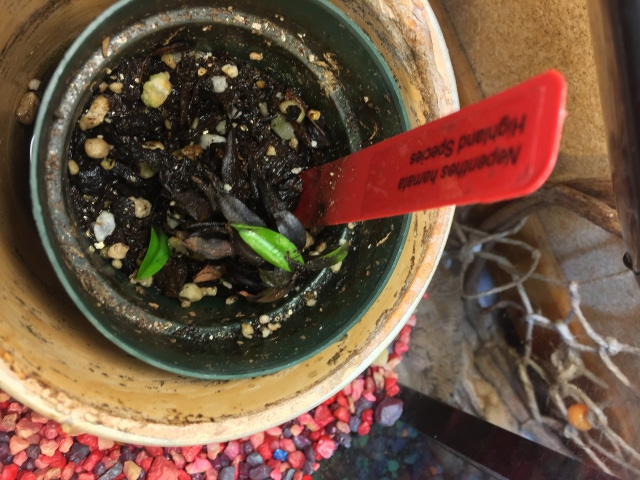
Diagnosing Root Rot in Nepenthes hamata: When to Let Go
A declining Nepenthes hamata in a fish bowl with constant moisture shows classic root rot: yellowing leaves, media breakdown, and waterlogged conditions. Hamata is particularly sensitive to wet feet and requires excellen
Live Sphagnum Top Dressing for Sarracenia: Benefits and Caveats
Top-dressing Sarracenia pots with live long-fiber sphagnum (LFS) is beneficial: it prevents soil splash erosion during rain, retains surface moisture, and looks attractive. The rhizome can be slightly covered—it wont hin
Harbor Freight Greenhouse Setup: Prioritizing Light Over Humidity
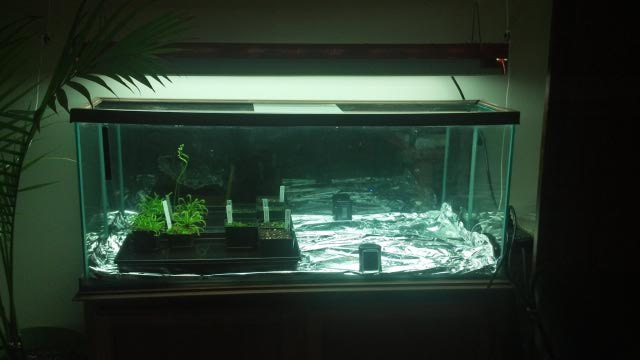
For a 6×8 Harbor Freight greenhouse in Pennsylvania, focus on the three critical factors: intense light, pure water, and correct soil—not humidity. Greenhouses naturally maintain high humidity; misting and foggers are un
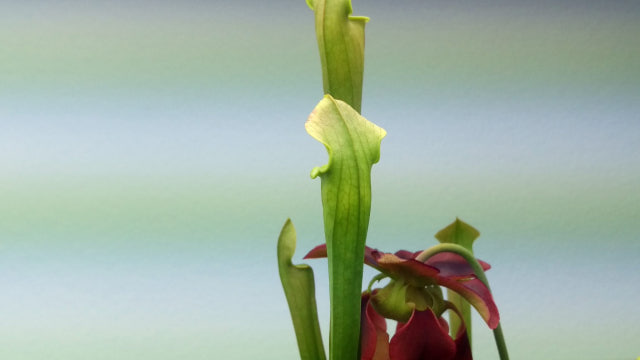
Sarracenia Pitcher Edge Yellowing: Natural Color vs. Light Burn
Yellowing pitcher edges on Sarracenia jonesii (red form) are often the plants natural coloration, especially in late-season growth. However, if yellowing appears suddenly on a new pitcher under T5 lights, it may indicate
Water Tray Maintenance for Carnivorous Plants
Water trays inevitably accumulate tannins (yellow-brown tint from peat), drowned insects, and algae. For both aesthetics and plant health, clean trays every few weeks: dump the water, rinse thoroughly, and wipe away alga
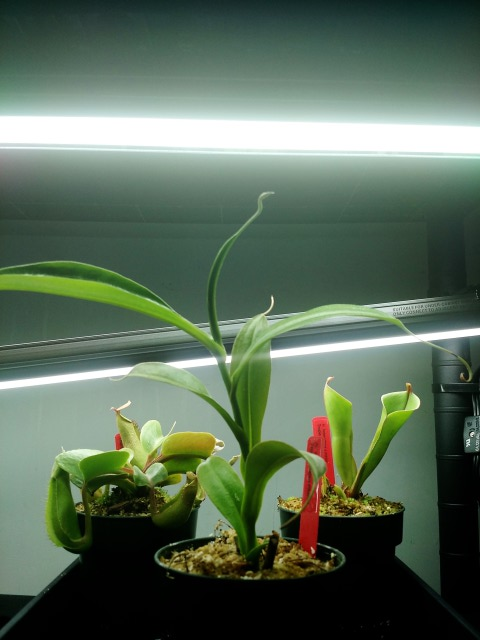
Encouraging Pitcher Formation in Nepenthes 'Fancy Fish'
A vigorously growing Nepenthes Fancy Fish producing tendrils but no pitchers likely needs three adjustments: extend photoperiod to 13 hours, add weak fertilizer (¼ strength orchid fertilizer) biweekly, and increase local
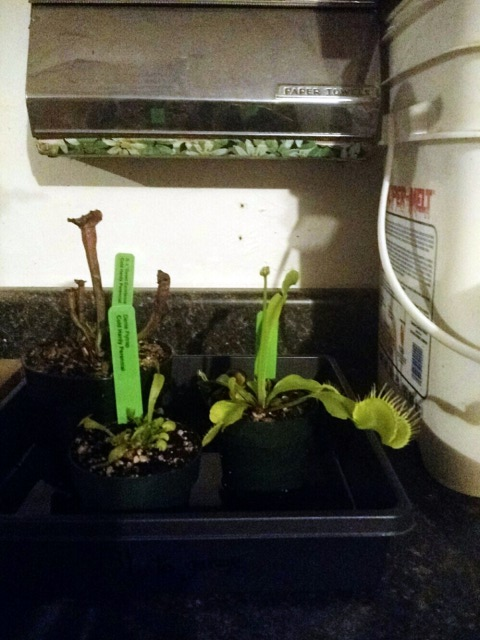
Venus Flytrap 'King Henry' Early Growth: Flower Removal and Light Correction
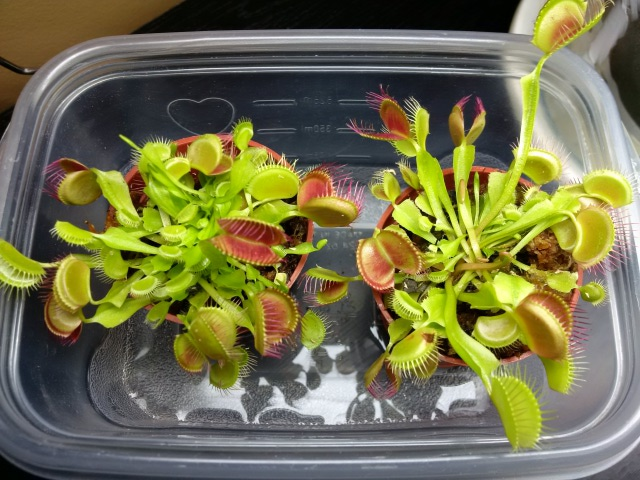
A King Henry Venus flytrap showing active growth and flowering in winter hasnt skipped dormancy—its simply woken early due to garage conditions. The pale green color indicates insufficient light (3 feet from fluorescent
Cold Frame Winter Protection for Zone 6 Carnivorous Plants
For Zone 6 growers with windy conditions, a well-ventilated cold frame is the best winter solution for dormant Sarracenia, Venus flytraps, and hardy sundews. Cedar cold frames with adjustable lids provide wind protection
Growing Darlingtonia californica from Seed: Soil Experiments and Climate Tips
Fresh Darlingtonia seed germinates readily (85%+ rates are common). For growers in the Pacific Northwest, experiment with both indoor and outdoor cultivation the first year. Unlike Sarracenia seedlings, Darlingtonia does
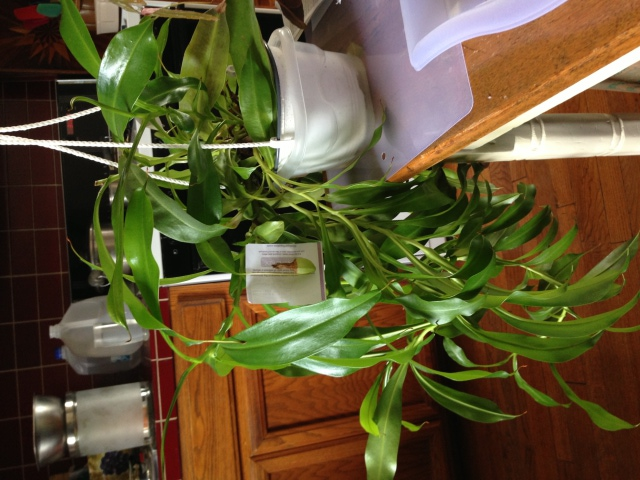
Supplemental LED Lighting for Indoor Nepenthes: Setup and Acclimation
LED grow lights work well for Nepenthes but require careful selection. Unlike traditional lights measured in lumens, LEDs are rated by photosynthetic photon flux (PPF). For a single plant, a mid-range LED panel (30-50W a
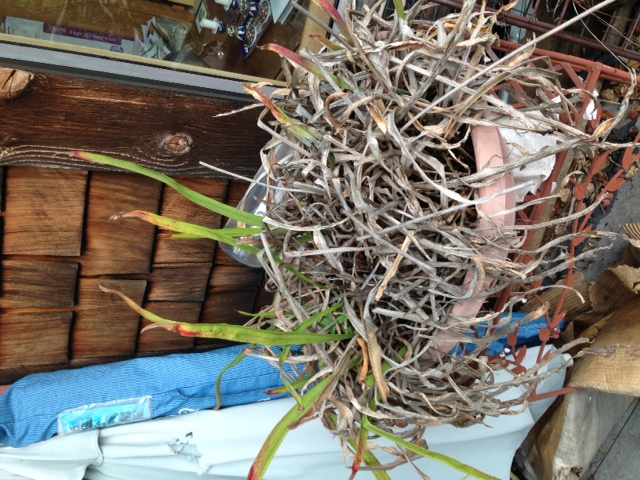
Reviving Overcrowded Sarracenia: Division and Repotting Guide
Crowded Sarracenia containers with rotting rhizomes need immediate attention. The solution: complete division and repotting into fresh soil. Use a 50/50 mix of peat moss and perlite or silica sand—never potting soil or f
Copyright © www.100flowers.win Botanic Garden All Rights Reserved