
Rehabilitating a Stressed Nepenthes: Repotting, Light, and Patience
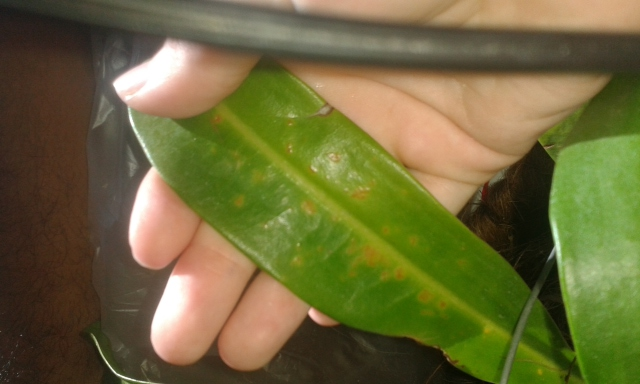
Yellow-spotted Nepenthes likely suffered from previous incorrect care (standing water, low light). Rehabilitate: repot into long-fiber sphagnum/perlite in larger drained pot, provide partial sun (not full shade), keep mo


Nepenthes 'Miranda' Leaf Growth Without Pitchers: Light Deficiency Solution
60°F, avoid moving/misting. Reddish leaves indicate adequate light. Consistency is critical.
Algae vs. Reviving Moss in Carnivorous Plant Pots
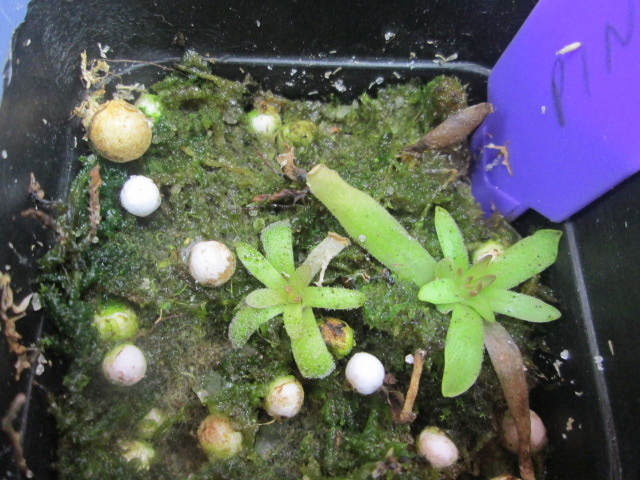
Green growth on brown peat is typically algae—harmless short-term but can smother seedlings if heavy. Control: use mineral-free water, top-water frequently to wash spores, scrape excess. Heavy buildup signals repotting t
Repotting Frequency for Temperate vs. Tropical Carnivorous Plants
Temperate CP (Sarracenia, VFT, hardy Drosera): repot every 1-2 years in small pots; large planters every 3+ years. Signs: algae, weeds, soil breakdown, sulfur smell. VFTs benefit most from fresh soil. Tropical CP (Nepent
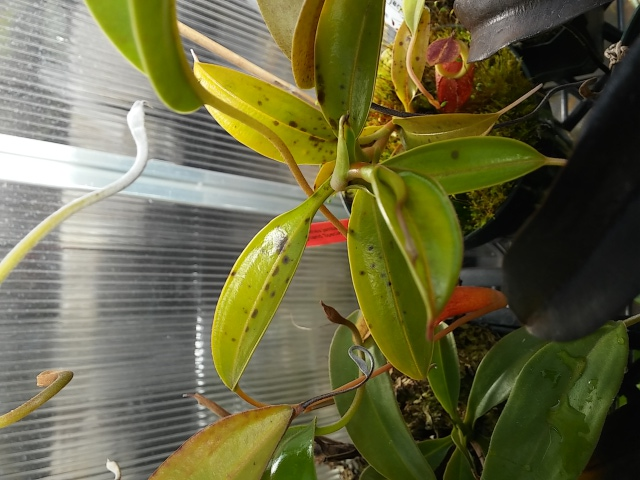
Cold Damage in Nepenthes jamban: Garage Temperature Risks
Black spots appearing after one cold garage night confirm cold damage. Highland Nepenthes need 50-60°F nights with 70°F days—garage temps in 30s/40s are too cold even for highlanders. Brief house warming (60-70°F) for a
Temperate CP Repotting Mixes, Combined Containers, and Live Sphagnum Use
Standard mixes (2:1 peat/sand for VFT, 4:1:2 peat/sand/perlite for Sarracenia, 2:1 or 3:1 for Drosera) all work interchangeably. For mixed containers, peat/sand/perlite or peat/perlite are fine—sand adds weight. Top-dres
Nepenthes Yellowing and Red Spots: Light Adaptation and Thrips Check
Increased sun exposure causes yellowing and red spots in Nepenthes—often normal. Inspect leaf undersides with hand lens for thrips (tiny elongated insects causing red stippling). Weak orchid fertilizer (¼ strength) biwee
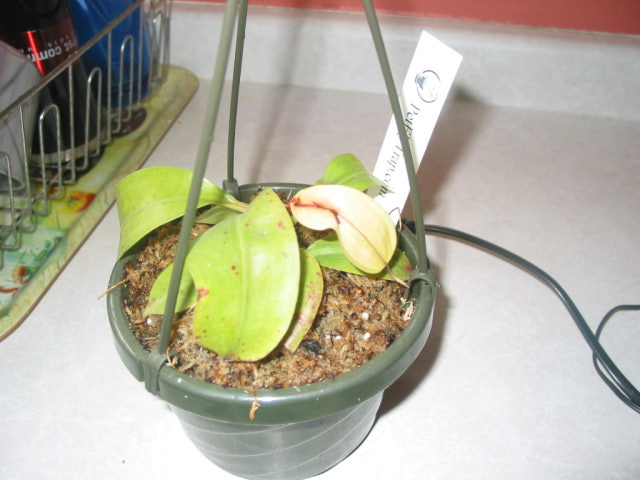
Rescuing Nepenthes boschiana from Root Rot: Emergency Repotting and Cuttings
Yellowing leaves and pitcher failure in N. boschiana indicate root rot from waterlogged media. Emergency fix: repot into sphagnum/perlite with more perlite, keep moist not wet. If roots are gone, attempt stem cuttings in
Spring Sarracenia Pruning: Timing and Rationale
Trim all trumpet Sarracenia (not S. purpurea/psittacina) in February before new growth. Even green pitchers should go—photosynthesis benefit is outweighed by shading new growth. Pruned plants develop stronger, better-col
Distinguishing Sarracenia flava and oreophila Phyllodia: Variation and Hybridization
Both species show phyllodia variation: oreophila typically sickle-shaped (half-moon), flava more spear-shaped. Geographic clones differ. Hybrids are common (simultaneous yellow flowers). Photo identification needed for c
Nepenthes Pitcher Loss After Lighting Changes
Any environmental change—transplanting, moving, lighting switches—triggers pitcher drop in Nepenthes. Winter low light/cool temps compound this. Distilled water is correct. Expect renewed pitcher production in March as d
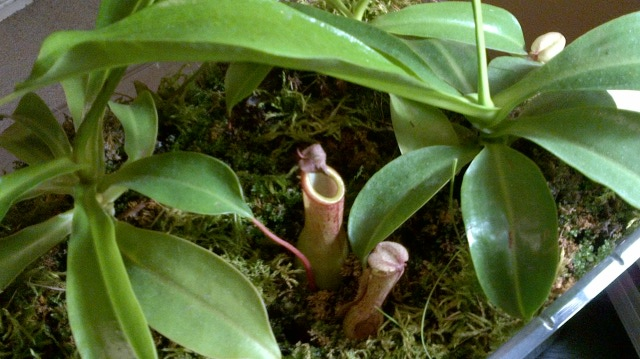
Nepenthes Lid Drying: Seasonal Decline vs. Pest Damage
Single lid shriveling on an otherwise healthy pitcher indicates seasonal winter decline or relocation stress—not pests. Check for scale (bumps) or thrips (tiny elongated insects) with a hand lens if concerned. Winter pit
Repotting Nepenthes truncata: Timing and Pot Size
A 1-year-old N. truncata in a 3 pot needs immediate repotting to 8. Spring is ideal. Use open, airy media. N. truncata grows very large—give it room early. Detailed media recipes in Sarracenia Northwests Nepenthes guide.
Nepenthes 'Miranda' Care: Light Hours and Night Temperature Requirements
Nepenthes Miranda thrives as a houseplant in bright west/north windows with 4-5 hours direct sun. No significant night cooling needed—warm nights are fine. Large plants need space; avoid cold drafts. Detailed care at Sar
Long-Term Tap Water (200 ppm) Effects on Carnivorous Plants
200 ppm tap water for 12 months will devastate most CP. Sarracenia Northwests well water trial (150 ppm) showed: Nepenthes/Pinguicula unaffected; Sarracenia browned by September; sundews/VFTs declined with mineral deposi
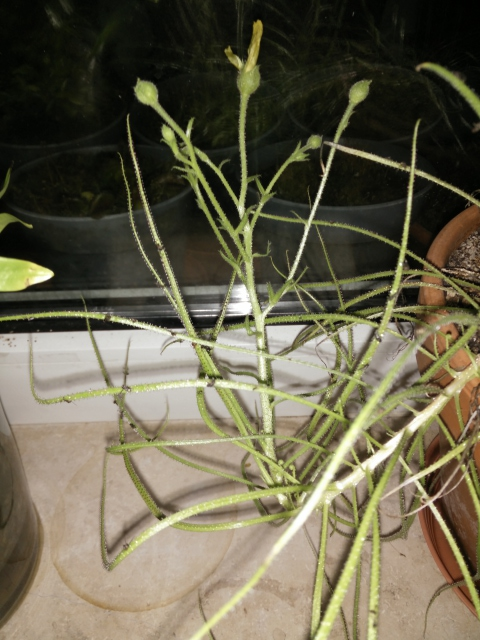
Drosophyllum Flowering: Survival Myths, Pollination, and Seed Timing
Drosophyllum flowering doesnt signal imminent death. Biennial myths stem from Chelsea Flower Show transport damage breaking fragile roots. Healthy plants flower 2-3 times before dying from pot-binding—deep root runs are
Alternative Foods for Carnivorous Plants: Freeze-Dried Bloodworms and Fertilizer
Freeze-dried bloodworms (pet store fish food) are the most common CP food. For Nepenthes, drop worms or Osmocote pellets into pitchers. Feeding isnt essential but accelerates growth. FlytrapCare forums offer community-te
Unified Soil Mix for Mixed Temperate Carnivorous Plant Containers
One mix serves all temperate North American CP: 40% peat, 60% perlite. Your 40/40/20 peat/sand/perlite is excellent. Separate mixes for flytraps (sandier) or S. psittacina (heavier for winter flooding) offer negligible b
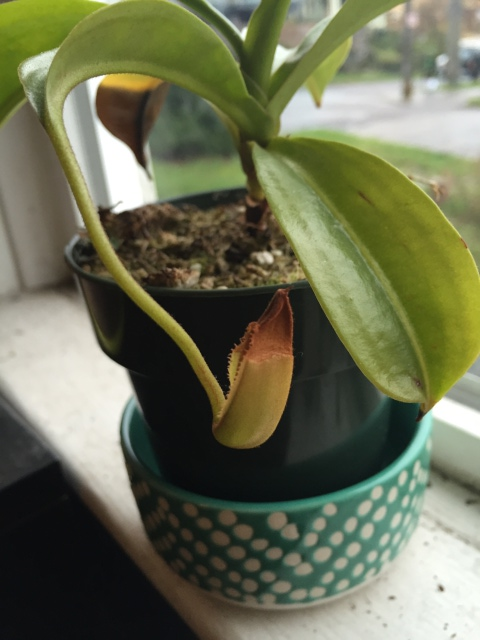
Seasonal Pitcher Development in Nepenthes 'Miranda' and sanguinea
Winter pitcher abortion in Nepenthes Miranda (while N. sanguinea thrives) is normal for Pacific Northwest windows. Expect gradual improvement as days lengthen. Feed first mature pitchers with insects or dried bloodworms.
Watering Methods, Repotting Adjustments, Phyllodia Care, and Soil Layering
Watering: Top-watering is ideal—natures method. Tray watering causes summer anoxia (rotten egg smell at water line). Greenhouse plants may need winter bottom-watering to reduce Botrytis risk, but outdoor plants benefit f
Copyright © www.100flowers.win Botanic Garden All Rights Reserved