
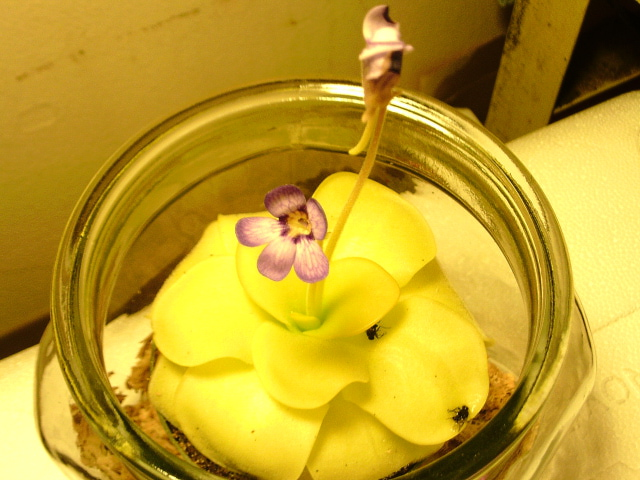
Repotting Pinguicula 'Gina': Time for a Larger Pot
Pinguicula Gina Your P. Gina has been in a 3 pot for a year. Flower stalk burned on lights overnight. Will it outgrow a 4 pot? Move to a 5 pot now. The plant is robust and will appreciate the root room. You wont need

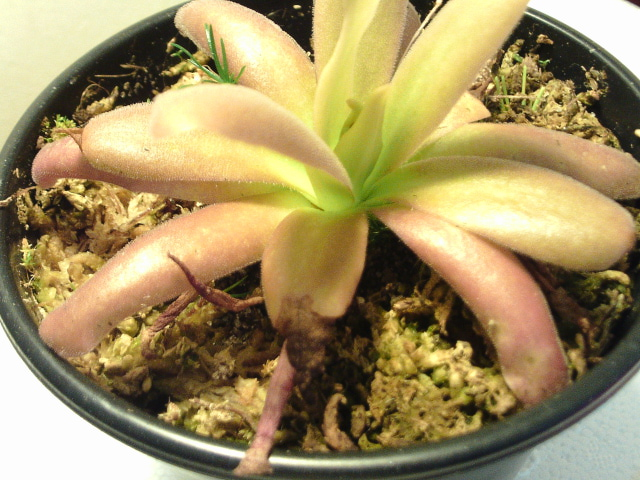
Pinguicula 'Aphrodite' Leaf Tip Dieback: Physical Damage or Light?
Pinguicula Aphrodite Pinguicula Aphrodite Leaf tips dying back on your P. Aphrodite (grown in sphagnum moss, 4 pot, flowering constantly). Extra sun on winter leaves? Wrong soil? Assessment Looks like physical damage

Humic Acid for Darlingtonia: Source and Dosage
You recall a grower experimenting with an acid for Darlingtonia. It was humic acid. Source: Gardeners Pantry (organic gardening grade). Dosage: Start at ¼–½ the label rate for regular soil. No established CP-specific p
Drosera binata multifida Producing Only Simple Forks
Your D. binata var. multifida is healthy but only making simple (two-fork) leaves, though it has a few old four-fork leaves. You want the dramatic multi-forked forms. This is normal for young or recently divided plants.
Repotting a New Nepenthes: Acclimate First or Pot Immediately?
New Nepenthes Red Leopard arriving. You need it in a hanging pot (cat-proof) by a west sliding door. Repot now or wait? Repot now. Spring/early summer is ideal. The plant has months to re-establish before winter. Expect
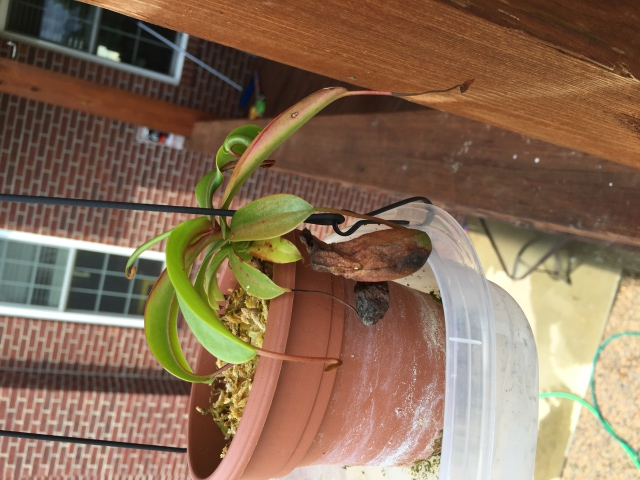
Nepenthes ventricosa Pitchers Turning Black: Transplant Shock
Nepenthes ventricosa New N. ventricosa (likely a Ventrata hybrid) outside in Kentucky heat/humidity. Old pitchers black; new ones tiny and black. Hard water visible on pot. Diagnosis: Disturbance + Hard Water Nepenthe
ZeroWater Filter Replacement: When Is It Really Exhausted for CPs?
You use a ZeroWater filter for carnivorous plants. Manufacturer says replace at 6 ppm TDS. CP-safe threshold is ~70 ppm. Can you push the filter to 70 ppm? Not recommended. ZeroWater filters show a sharp TDS rise once e
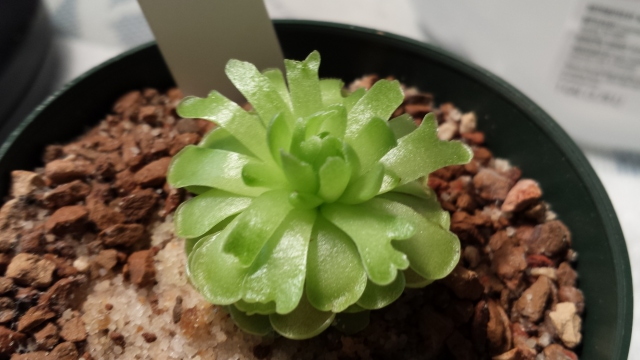
Pinguicula esseriana Leaf Notching: Low Light, Not Pests
Pinguicula esseriana Pinguicula esseriana Irregular leaf notching on your P. esseriana—no insects visible. Grown on south windowsill with 2–3 hours direct sun, 55% humidity, mineral mix, top-watered every 5–6 days. C
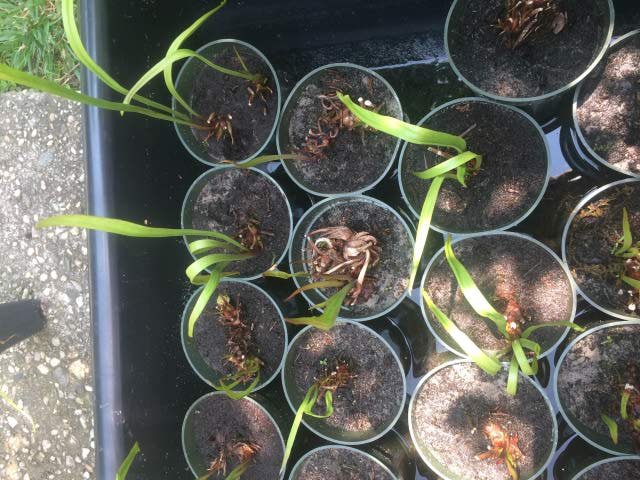
Sarracenia Pitchers Wilting Midday: Light Acclimation, Not Shade
S. leucophylla wilting midday Sarracenia leucophylla Sun exposure New S. leucophylla rhizomes in 50/50 sand/peat, full sun, Staten Island. Pitchers fold limp by midday, recover by evening. You moved them to shade—the
Are 3000K Grow Bulbs Suitable for Carnivorous Plants?
3000K (bloom) bulbs mimic high-pressure sodium output—great for flowering/fruiting plants (tomatoes, cannabis). Not ideal for carnivorous plants. Carnivores are grown primarily for vegetative growth (pitchers, traps, de
Building a Bog Garden in a Clawfoot Tub: Plant Selection for Buffalo, NY
Creating a bog garden in a clawfoot tub in Buffalo (Zone 5/6). Peat/perlite mix, live moss topdressing, full sun. You have purple pitcher plants (S. purpurea). What sundews and companions work? Hardy Sundews (Zone 5+)
Can Water Get Too Hot for Hardy Carnivorous Plants?
Your bog planters on a south-facing deck hit high 80s°F water temps during an Oregon heat wave. Are you boiling roots? No—dont add ice. Sudden cold shocks roots. Native SE US carnivores (Sarracenia, Dionaea, hardy Drose
Darlingtonia Care: Feeding, Pests, and Baby Pitcher Damage
Your Darlingtonia (cobra lily) are thriving in full sun with a cooled water system. Two concerns: 1. Few Insects in Pitchers Darlingtonia are naturally less voracious than Sarracenia. They catch more in late summer (yel
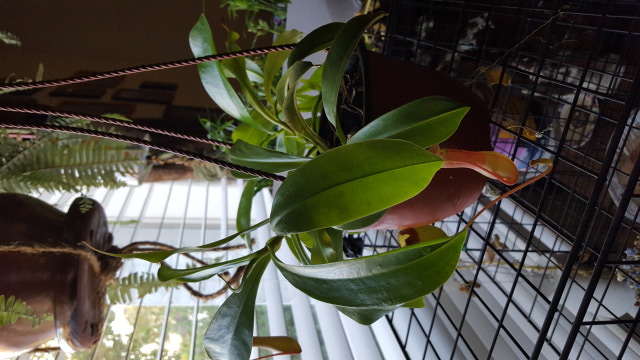
Nepenthes Stem Turning Brown and Woody: What It Means
Pitcher 1 Pitcher 2 Your Nepenthes took a fall six months ago, lost all pitchers, then rebounded in a north window with new growth. Now the stem is brown and woody mid-way up, but the top is green and producing pitche
Cephalotus Not Growing? It May Need Feeding
Your Cephalotus Hummers Giant in a 75% silica sand / 25% peat mix has been static for two years—healthy ¼ pitchers but no growth. Morning sun, cooled water tray, highland greenhouse conditions. The issue: lack of prey.
Drosera hilaris: Winter-Growing South African Sundew
Drosera hilaris is a winter-growing species from South Africa, similar to D. pauciflora and D. cistiflora. It thrives in cool, wet winters and goes semi-dormant in hot summers. In cultivation: grows actively under light
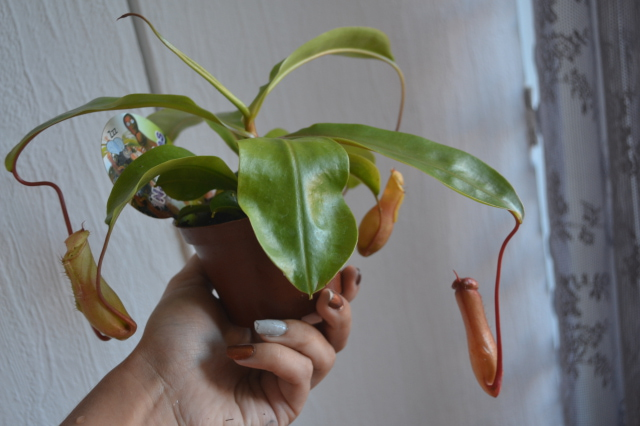
Identifying Your Carnivorous Plants: Nepenthes and Sarracenia
Nepenthes Sarracenia Nepenthes: Likely Nepenthes ventricosa × alata (often sold as Ventrata or deRooses Alata). A vigorous, easy hybrid from DeRoose Plants in the Netherlands—common in the trade. Tolerates a wide rang
Trimming Phyllodia on Sarracenia: When and Why
Your S. oreophila and S. flava still have last years green phyllodia (non-carnivorous winter leaves). With plenty of new pitchers emerging, should you trim the old phyllodia? Yes, trim them now. Phyllodia serve their pu
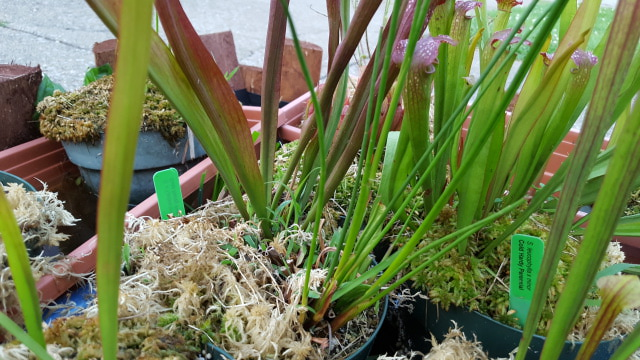
Identifying and Removing Invasive Sedge Grass in Carnivorous Plant Pots
Invasive sedge grass stalks Those thick green stalks emerging among your Ladies in Waiting (likely a Sarracenia hybrid) are sedge grass—a common hitchhiker in long-fiber sphagnum moss. Its aggressive and will choke out
Repotting Pinguicula 'Aphrodite': 5" Pot, Sandy Alkaline Mix with Dolomite Lime
Move P. Aphrodite to a ~5 pot (African violet pots work well). Use equal parts peat, perlite, sand + 1 tbsp dolomite lime per cup of mix. Lime boosts growth significantly. Wet mix before use. Roots are short; ensure they
Copyright © www.100flowers.win Botanic Garden All Rights Reserved