


Normal Fall Dormancy in Round-Leaf Sundew vs. Tropical Lance-Leaf Sundew
A growers Drosera rotundifolia (round-leaf sundew) began dying back in late September, while D. adelae (lance-leaf sundew) also showed dieback. He asked if the round-leaf sundew was entering dormancy early or if somethin

Fungicide and Neem Oil Use on Carnivorous Plants in the Pacific Northwest
An Oregon grower asked about using a sulfur fungicide containing pyrethrins on hardy sundews (concerned about pyrethrin safety) and whether to apply neem oil to Sarracenia in fall. Jeff Dallas states that in Western Oreg
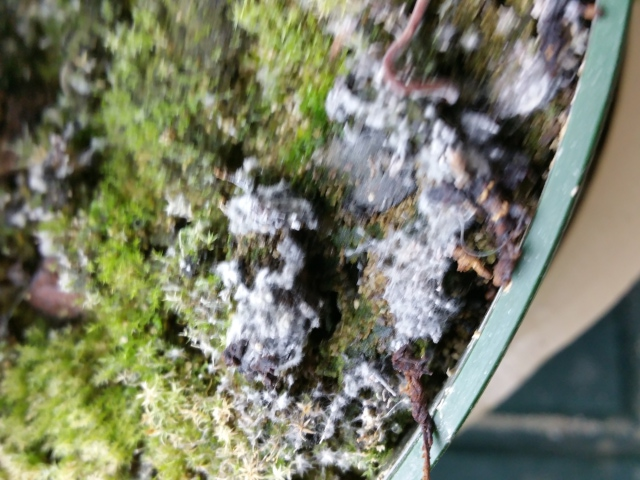
Managing Mold on Heliamphora Soil: Cultural Controls Over Chemicals
A grower reported mold on Heliamphora soil unaffected by Safer sulfur-based fungicide, asking if its harmful and how to address it. Jeff Dallas explains that sulfur fungicides inhibit fungal growth by creating an inhospi
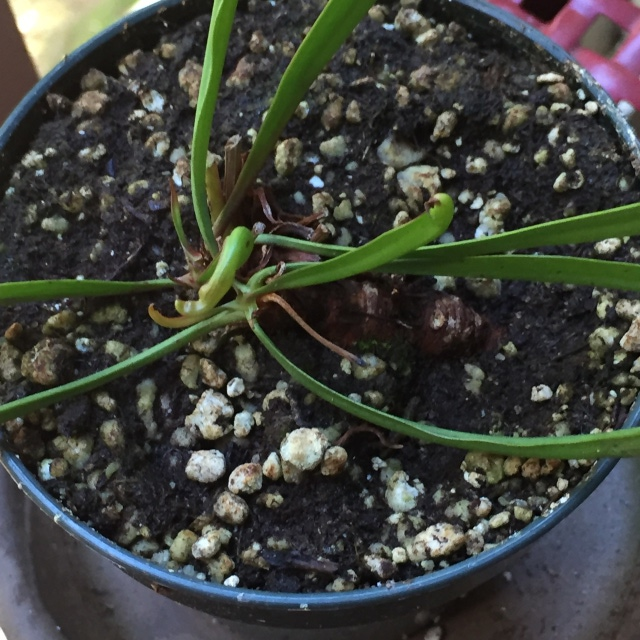
Winter Care for Sarracenia rubra in North Carolina (Zone 7b)
A grower in North Carolina (Zone 7b, Piedmont) purchased S. rubra (Canebrake) in late spring. The plant grew well with slight fall browning. He seeks winter dormancy guidance for prolonged frost events and asks about spr
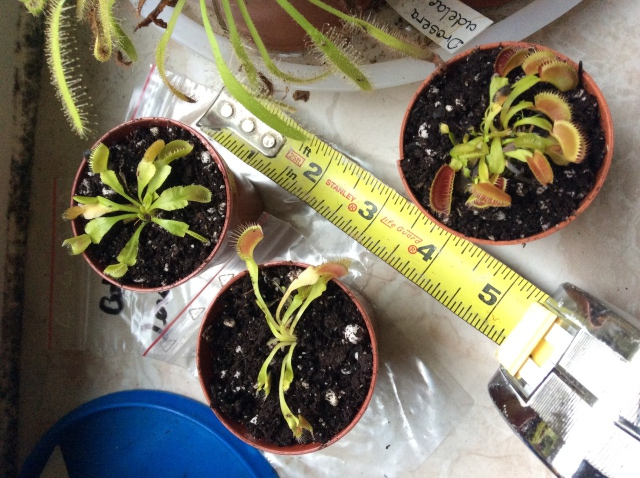
Repotting and Outdoor Transition for Long-Term Indoor Venus Flytraps
A South Central Texas grower has kept three Venus flytraps under lights with African violets for a year without dormancy. Plants are in 2.5-inch pots, watered with rainwater, fed regularly, and deep green. One plants lea
Winter Watering Strategy for Drosophyllum (Dewy Pine)
A grower in Germany moved Drosophyllum indoors to an unheated room (13–14°C) as daytime temperatures dropped to 10°C. He asked how to gauge watering needs since the soil always feels nearly dry, and whether leaf dew indi
Heliamphora Recovery After Drought: A Resilient Response
A grower returned from vacation to find one Heliamphora dried out while another retained water. Weeks later, the desiccated plant produced six new pitchers. He asked if this recovery is typical, as his other carnivorous
Overwintering Bare-Root Sarracenia and Flytraps in Germany (Zone 7)
A grower in Frankfurt, Germany (Zone 7, lows 0–10°F) received bare-root S. minor, S. psittacina, and three flytrap clones in late October. Plants were small (flytraps 2 inches, S. minor pitchers 12 inches). He asked whet
Determining Cold Hardiness for Drosera and Sarracenia in the Pacific Northwest
A Portland-area grower sought clarification on winter placement for three plants: Drosera multifida Extrema (outdoors since April), Sarracenia minor Okee Giant, and Drosera filiformis Dreamsicle (showing leaf dieback). J
Winter Care for Sarracenia 'Fat Chance' on a Windowsill
A grower asked whether to keep Sarracenia Fat Chance on a windowsill during winter or move it outside, noting the plant was growing very well indoors. Jeff Dallas keeps his Fat Chance on a windowsill year-round. The loca
Slime Mold on Carnivorous Plant Soil: Harmless but Manageable
A grower reported butterscotch-colored, shiny jelly-like slime on the potting medium of three Nepenthes and a Venus flytrap, asking if it was harmful slime mold. Jeff Dallas confirms its slime mold, which is not directly
Transitioning Sarracenia Outdoors for Winter Dormancy
A grower with a Sarracenia grown indoors all summer asked whether to move it outside now that nighttime temperatures reach the low 50s°F, or to acclimate it gradually. Jeff Dallas first clarified the genus, as pitcher pl
Fall Flower Stalks on Sarracenia: Normal or Concerning?
A grower observed flower stalks emerging on a Sarracenia flava in November and wondered whether to remove them or let them develop. Jeff Dallas explains that fall flower stalks are not unusual, especially after unusually
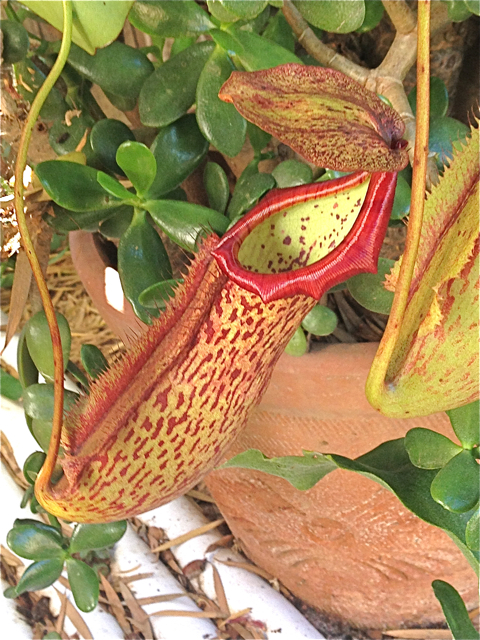
Identifying Common Nepenthes Hybrids: deRoose Varieties and Rebecca Soper
A grower purchased two unidentified Nepenthes from Home Depot, labeled only as Monkey Cups and Pitcher Plant. After seven months of successful growth, she sought identification to expand her collection knowledgeably. Pho
Lighting Setup for Nepenthes 'Miranda' with Supplemental Sunlight
A new owner of Nepenthes Miranda inquired about using a 23-watt CFL bulb alongside two hours of direct sun and four hours of diffuse sunlight. Jeff Dallas responds that this combined light regimen should provide ample il
Optimal Lighting for Nepenthes: Bulb Selection and Placement
A grower asked whether a 23W 5000K bulb would be sufficient for a single Nepenthes plant running six hours daily, and if so, how close to position it. Jeff Dallas of Sarracenia Northwest confirms the bulb will work but r
Basal Shoot Survival After Main Vine Removal in Nepenthes ventrata
Cutting a dying main vine on N. ventrata stimulates vigorous basal shoot growth—energy redirects from failing vine. Common in ventricosa hybrids. Basals will thrive independently.
Protecting Elevated Container CP from Deep Freezes in Portland
Deck elevation increases freeze risk—pots lose ground heat. Move to ground level, cover with black plastic/Reemay when low 20s°F or below. Uncover daily. In sustained sub-freezing/windy conditions, keep covered until tha
Winter Light Requirements for Dormant Sarracenia in Unheated Storage
Dormant Sarracenia need minimal light. Short-term unheated shed storage during freezes is fine (Portland, OR). Return outdoors when temperatures moderate. Prolonged dark/cold encourages mold and rhizome rot.
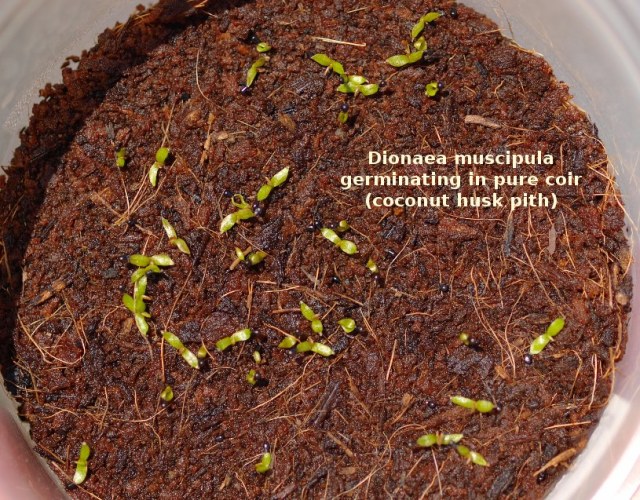
Feeding Tiny Venus Flytrap Seedlings: Unnecessary but Optional
2-3mm VFT seedlings dont require feeding—they photosynthesize. Optional feeding accelerates growth: use microscopic food (springtails, dried bloodworm powder) applied carefully. FlytrapCare.com has detailed guides. Focus
Copyright © www.100flowers.win Botanic Garden All Rights Reserved