


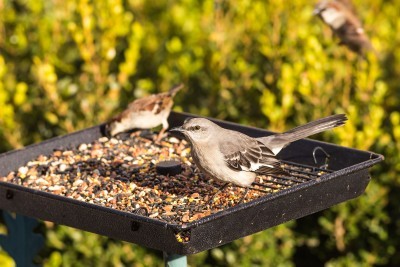
Feeding wild birds brings joy, but the wrong seed mix can create unexpected garden problems. From messy debris to allelopathic effects that harm plants, understanding these issues helps you maintain a healthy landscape while enjoying your feathered visitors.
Birds are messy eaters. Even with catch trays, discarded hulls and seed scatter widely, leading to three main problems:
Sunflower seeds pose an additional threat: their shells contain allelopathic chemicals that inhibit the growth of nearby plants. Since most toxins are in the hull, choosing hulled sunflower kernels reduces this risk.
Choose no-waste seed mixes (hulled seeds, nut meats) to minimize debris and mold. The entire seed is edible, so less ends up on the ground.
Manage pests by raking debris regularly, using broad catch trays, or applying repellents.
Relocate feeders to a bare area with no plants below—this simplifies cleanup and gives birds a dust-bathing spot. A tarp underneath makes disposal even easier.
Plant sunflowers beneath feeders—they’re immune to their own allelopathy and provide habitat and free seeds at season’s end.
With smart seed choices and feeder placement, you can support birds without compromising your garden’s health.
Growing Dogwood from Seed: Hybrid Caveats
Birds and Cherry Trees: Deterrent Strategies That Work
Seed Starting Made Simple: Grow More for Less with This Egg Carton Method
The Joy of Seed Selection: Sources, Timing, and Soil Wisdom
Sowing Seeds Directly in the Garden: Rows vs. Broadcasting
Seed Saving Guide: Collecting, Cleaning, and Storing Seeds for Next Season
Growing from Seed: Why & How to Start Your Own Plants
Creating a Wildlife-Friendly Wild Garden Corner
The Hadeda Ibis: Africa's Noisy Garden Soil Indicator
Best Bird Deterrents: Top 5 Products to Protect Your Home & Garden
Copyright © www.100flowers.win Botanic Garden All Rights Reserved