


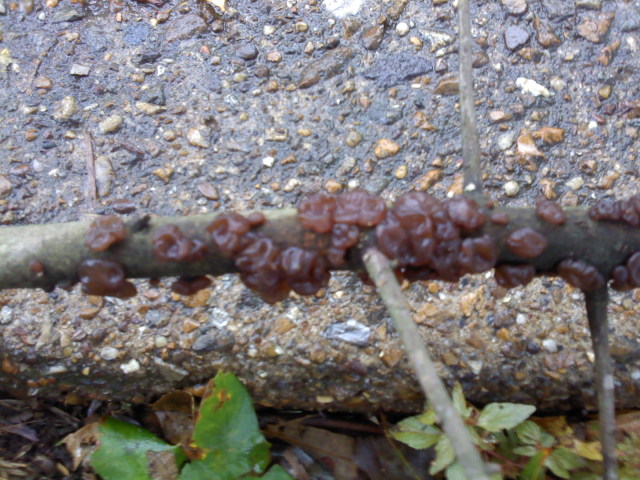
After a storm breaks oak branches, you may notice a reddish-brown, gummy, elongated growth on the dead wood. This is most likely a wood-decay fungus—a type of mushroom—that colonizes dead or dying branches. It is generally benign and does not threaten the living tree.
No treatment is needed for the fungus itself. However, if the storm left large wounds on the trunk or major limbs, consider applying tree wound paint to deter borers. Ensure the tree has room for root flare development—avoid piling soil or building near the base.
If you're unsure, send a clear photo to an extension agent or certified arborist for confirmation. But in most cases, this is a natural, harmless occurrence.
Oak Loopers Defoliating Michigan Oak: Natural Cycles, Little Control Possible
Oak Galls (Horned/Gouty): Cosmetic, Not Lethal
Why Trees Don't Grow Indefinitely Tall: Hydraulic and Genetic Limits
Decay Fungi vs. Oak Wilt in Tennessee Oaks
Building a Deck Near a Massive Coast Live Oak
Best Oak for Central Florida Sandy Hill: Consult County Forester
Identifying Unusual Soil Growth Under Container Citrus Trees
Oak Root Cutting for Front Entrance: 200 Degrees Intact
Daisy Tree (Montanoa) Indoors: High Light Requirements
Frost-Damaged Ficus: Prune and Wait for Regrowth
Oak Galls: Wasp-Caused Growths — Harmless to Kids, Manageable for Trees
Unidentified Fungal Growth on Lawn: Could Be Insect Egg Mass
California Black Oak: Majestic Native Tree for Wildlife and Timber
Copyright © www.100flowers.win Botanic Garden All Rights Reserved