


Wild Black Cherry, Prunus serotina, is a large, deciduous tree native to eastern North America. It is a valuable timber tree and an important wildlife food source.
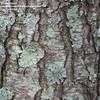
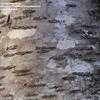
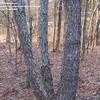
This tree grows 50–80 feet tall with a narrow, oval crown. The bark is distinctive: dark, scaly, resembling burnt potato chips. The leaves are elliptic, glossy, with fine teeth. In spring, it produces long, pendulous racemes of small white flowers. The fruit is a small, black cherry, bitter but eaten by birds and mammals.
Prunus serotina is a pioneer species in forest succession. Its wood is prized for furniture and veneer. The fruit supports over 40 bird species. It tolerates a range of soils but prefers moist, well-drained. All parts except ripe fruit contain cyanogenic compounds.

| Family: | Rosaceae (ro-ZAY-see-ee) (Info) |
| Genus: | Prunus (PROO-nus) (Info) |
| Species: | serotina (se-roh-TEE-nuh) (Info) |
Timor Black Bamboo (Bambusa lako)
Black Bamboo 'Black Jade' (Phyllostachys nigra 'Black Jade')
Tropical Black Bamboo (Gigantochloa atroviolacea): Dramatic Dark Culms for Tropical Gardens
Wild Proso Millet (Panicum miliaceum): Ancient Grain and Weedy Annual
Canada Wild Rye (Elymus canadensis): Graceful Native with Nodding Seed Heads
Blue Wild Rye (Elymus glaucus): A Native Western Grass with Blue-Green Foliage
Black Sedge (Carex nigra): A Common, Rhizomatous Sedge of Wet European Meadows
Copyright © www.100flowers.win Botanic Garden All Rights Reserved