


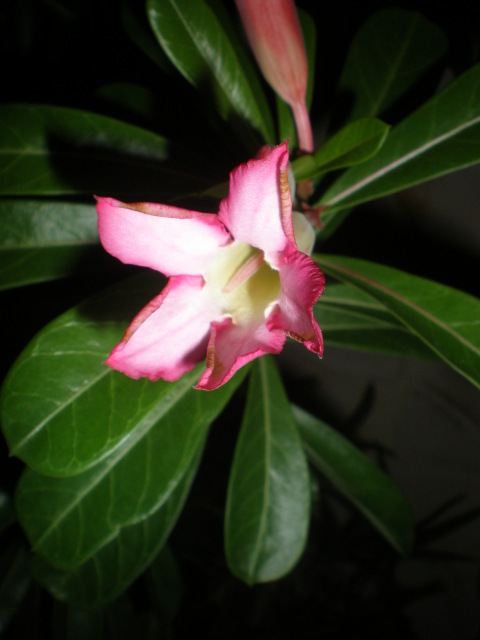
Desert rose (Adenium obesum) is a stunning succulent prized for its swollen caudex and vibrant blooms. But sometimes the flowers emerge misshapen—petals curled, edges browning—even when no insects are visible. If your desert rose shows this distortion, the culprit is usually environmental rather than pest-related.
Insufficient sunlight is the leading cause. Desert roses need full sun—at least six hours of direct light daily—to develop properly formed flowers. In lower light, blooms often emerge twisted or stunted.
Overwatering or poor drainage stresses the roots, which in turn affects flower development. These plants prefer a gritty, fast-draining mix and should dry out between waterings.
Temperature extremes can also play a role. While desert roses thrive in heat, sudden cold snaps or prolonged cool, damp conditions may distort emerging buds.
Excessive fertilizer, especially high-nitrogen formulas, encourages lush foliage at the expense of flower quality. Use a balanced, low-nitrogen fertilizer sparingly during the growing season.
With proper sun, drainage, and restrained feeding, your desert rose should reward you with perfectly formed, spectacular flowers.
Desert Rose (Adenium) Flower Spots: Insect Damage and Prevention
Rose Bush Powdery Mildew: Atomic Grow for Bloom Explosion
Spider Mites on Indoor Rose: Systemic Treatment for Long-Term Control
Reviving a Neglected Rose: Hard Pruning, Mulch, and Foliar Feeding for Recovery
Desert Rose (Adenium) Root Rot: Surgery and Water-by-Weight
Desert Rose Overwatering: Symptoms and Correct Care
Chihuahuan Desert Seed Heads: Narrowing Down the Possibilities
Indoor Gardenia Yellowing Leaves: Light Deficiency, Not Disease, and When to Expect Blooms
Emergency Care for Cold/Wet Damaged Pachypodium
Emergency: Bacterial Leaf Rot on Your Office Orchid
Rescuing a Neglected Oncidium: Repotting, Light, and Rehabilitation
Desert Rose (Adenium): Black Spots – Healed or Active?
Copyright © www.100flowers.win Botanic Garden All Rights Reserved