


Sticky spots on crepe myrtle seedling: These are aphid honeydew, not spider mites. Your neem oil spray will control them. Crepe myrtles are susceptible to aphids, especially on tender new growth.
Nectarine from seed: Nectarines are peach-plum hybrids and do not come true from seed. Seedlings take 8–15 years to fruit, may never produce, and are vulnerable to root-knot nematodes. Commercial trees are grafted onto nematode-resistant rootstock.
Grafting explained: A scion (desired variety) is joined to a rootstock (hardy, disease-resistant root system). This ensures true-to-type fruit, earlier bearing, and nematode resistance. See Wikipedia "Grafting" for details.
Advice: Enjoy growing seedlings as a hobby, but for reliable fruit, buy a grafted nectarine on appropriate rootstock for your zone.
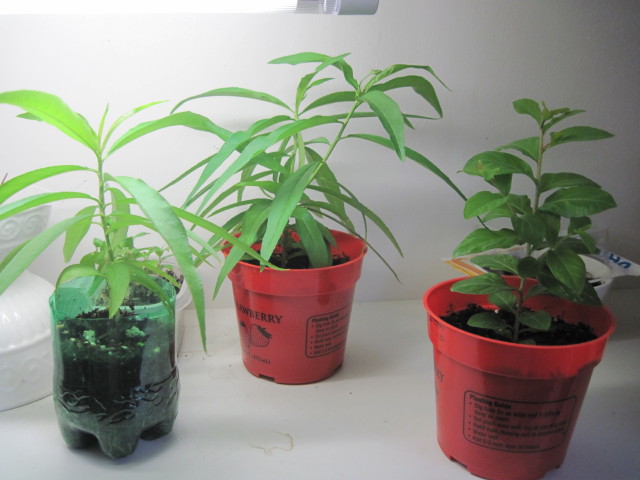
Wilted Crepe Myrtle: Likely Root Rot, Not Bark Shedding
Crepe Myrtle Sooty Mold: Sucking Insect Control with Systemic Insecticide
Black Powder on Crepe Myrtles? It's Sooty Mold from Aphids—Here's the Fix
Crepe Myrtles Attract Carpenter Ants & Wasps? Not Specifically
Overwintering a Small Crape Myrtle Seedling in Maryland (Zone 7)
Crepe Myrtle Propagation: Layering Runners and Stem Cuttings
Propagating Crepe Myrtle: Seeds vs. Cuttings
Crape Myrtle Bloom Optimization: Pruning and Fertilization
Pruning a 12-Foot Yucca or Dracaena: Spring Cut, Root the Top
Crape Myrtle Bloom Times: Why Yours Might Be a Late-Season Variety
Crepe Myrtle Freeze Damage in Nashville: Wait and See
Crepe Myrtle Watering in Hot Climates: Deep Roots Beat Frequent Sprinkles
Copyright © www.100flowers.win Botanic Garden All Rights Reserved