


The Norway Spruce (Picea abies) is one of the most widely planted conifers in the world—valued equally for its rapid growth, timber quality, and traditional role as the quintessential Christmas tree. Native to northern and central Europe, it has naturalized across North America and beyond.
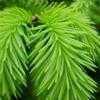
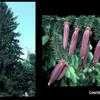
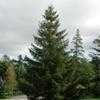
This fast-growing evergreen develops a narrow, pyramidal crown with gracefully drooping branchlets. Needles are dark green, quadrangular, and sharp-tipped, arranged spirally on twigs. Cones are the largest of any spruce (4–7 inches), cylindrical, and pendulous, maturing from green to light brown. Bark is thin, reddish-brown, and scaly.
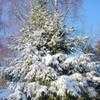
Norway Spruce thrives in cool, moist climates and acidic soils. It's extensively used for reforestation, windbreaks, and pulpwood. In landscapes, it makes an excellent screen or specimen—though it needs space, as mature trees reach 60–100 feet tall. Shallow roots make it susceptible to windthrow in exposed sites.
Norway Spruce Needle Drop: Normal vs. Problem
Norway Spruce Summer Planting Crisis: Watering Schedule and Recovery
Nail in Soil Won't Make Blue Spruce: Species Genetics Myth Debunked
Transplanting a 15-Foot Norway Spruce: Timing and Technique
Limiting Norway Spruce to 20 Ft: Choose a Dwarf Cultivar Instead
Norway Maple 'Drummondii': The Classic Variegated Shade Tree
Growing Norway Spruce in the South: Site Preparation and Care
Norway Spruce Needle Drop: Drought Stress Response
Norway Spruce and River Birch Post-Planting Stress in Iowa July
Bagworms on Norway Spruce: Needles May Regrow on Tips; Prune Dead Wood Later
New Norway Spruce Thinning in Wisconsin: Get Expert Help
Why You Should Not Prune Dwarf Norway Spruce
Norway Maple 'Crimson King' (Acer platanoides 'Crimson King'): Bold Purple Foliage All Season
Copyright © www.100flowers.win Botanic Garden All Rights Reserved