


Phlox with yellowing bases, curling leaves, and white foam has spittlebugs (the foam) and likely herbicide injury (the yellowing/curling).
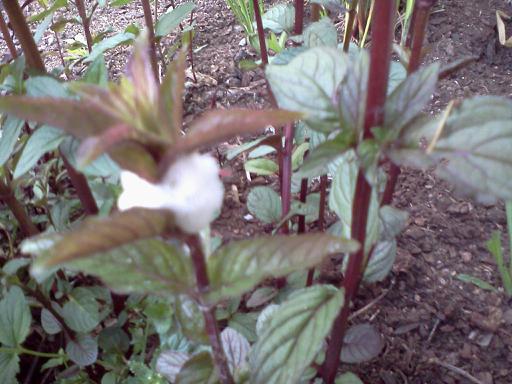
They're a distraction—the foam looks alarming but the insects are minor. The herbicide damage is the real threat to plant survival.
Herbicide drift is the silent killer of perennial gardens. Sensitive plants like phlox are the canaries in the coal mine.
Cleaning Spray Damage on Plants: Likely Fatal
Unusual Leaf Coloration on Knock Out Roses: Mosaic Virus or Chemical Damage?
Companion Plants for Sunny New Jersey Rose Bed
Palm Scale Misidentification: Black Lines Are Not Scale
Mealybug Infestation on Indoor Orange Tree: Identification and Treatment
Treating Mealybugs Across Multiple Houseplants
Gardenia Not Blooming: Diagnostic Link and Indoor Winter Care for Potted Plants
Phlox Powdery Mildew Spreading to Neighboring Plants
Mystery White Balls on Pepper Plants: Get an Identification First
White Fluffy Spots on Plants: Powdery Mildew and Drainage Fix
Uneven Squash Growth in Square Foot Garden
Cheap Succulent Guide: Easy vs. Difficult Varieties for Beginning Collectors
Bulbs for Window Boxes & Containers: Year-Round Color Planning & Planting Guide
Site Analysis: Evaluating Existing Plants, Structures & Utilities
Copyright © www.100flowers.win Botanic Garden All Rights Reserved