
Japanese Climbing Fern: Invasive Vine to Eradicate
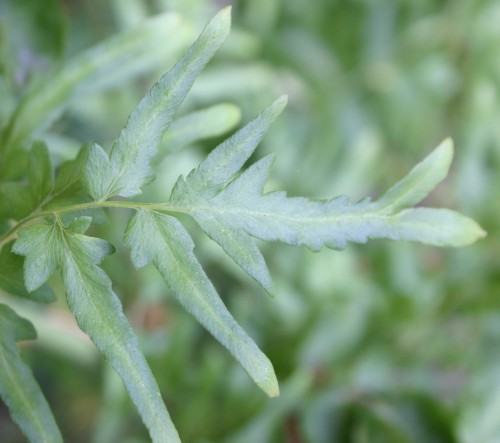
Japanese climbing fern (Lygodium japonicum) is a highly invasive vine that can smother native vegetation. If you spot it, remove it immediately. Identification This fern doesnt look like typical ferns. Its fronds are lo

Root-Knot Nematodes in Melons: Diagnosis and Management
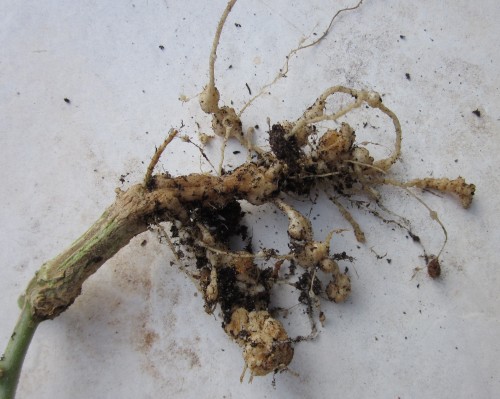
Those swollen, gnarled nodules on your cantaloupe and melon roots are the hallmark of root-knot nematodes (Meloidogyne spp.), microscopic roundworms that feed on plant roots. Confirming the Problem Dig up a struggling p
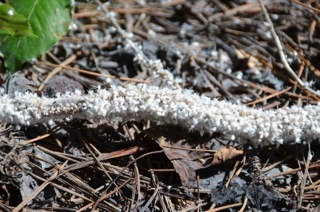
Woolly Beech Aphids: Identification and Control
If your beech trees are coated in white, waxy fluff and the ground beneath is blackened with sooty mold, you have a thriving colony of woolly beech aphids (Phyllaphis fagi). What Youre Seeing The white filaments are wax
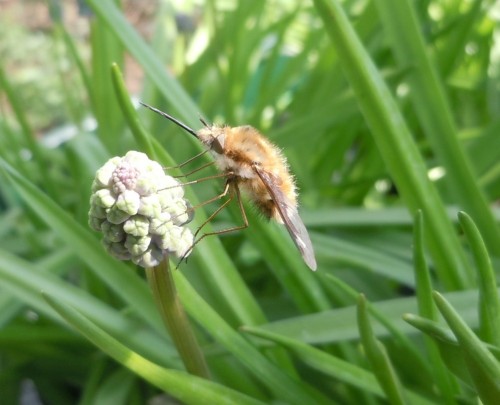
Bee Flies: Important Pollinators and Wasp Predators
That fuzzy, bee-like insect with a long proboscis and fly-like wings visiting your flowers is a bee fly (family Bombyliidae). Though they resemble bees, they are true flies and valuable pollinators. Identification and B
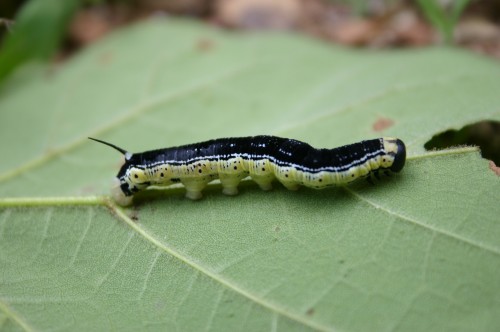
Attracting Catalpa Worms for Fishing Bait
Catalpa worms, the larvae of the catalpa sphinx moth, are prized fish bait. If your catalpa trees arent hosting them, you can introduce the population yourself. Understanding the Life Cycle Female moths lay eggs on cata

Using Aspirin to Boost Tomato Disease Resistance
Research shows that salicylic acid, a compound derived from aspirin, can trigger a plants natural defense system against diseases. This phenomenon, known as systemic acquired resistance (SAR), has led many gardeners to e
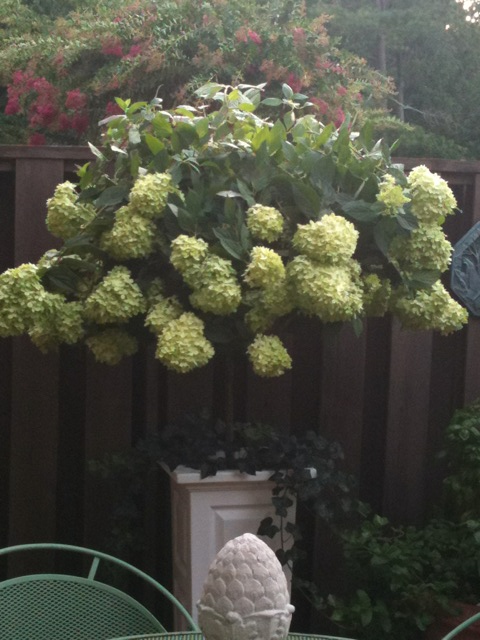
Container Growing 'Limelight' Hydrangeas: Pot Size Matters
Your Limelight hydrangeas are struggling in their current pots, and the reason is simple: the containers are far too small for these vigorous shrubs. Why Small Pots Cause Problems A hydrangea tree form needs a substanti
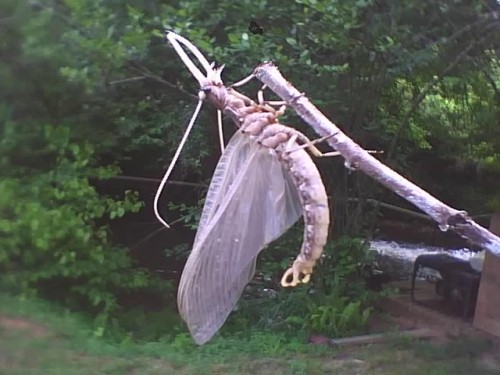
Dobsonfly and Hellgrammite: Stream-Side Insects
Encountering a large, winged insect with formidable pincers near a mountain stream? Youve likely found a male dobsonfly. Despite their fearsome appearance, these insects are harmless to humans and indicate clean water.
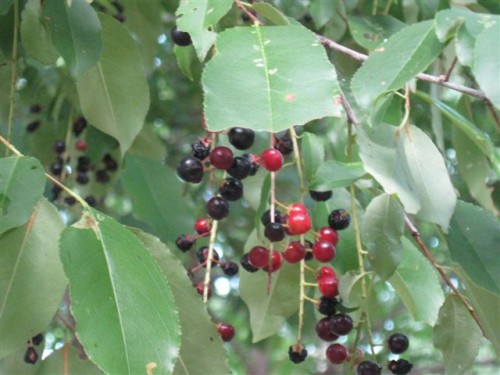
Identifying Black Cherry Trees in the Landscape
Youve spotted a tree with cherry-like leaves but something seems off. It might be black cherry (Prunus serotina), a common native tree thats more valuable to wildlife than to the home orchard. How to Recognize Black Che
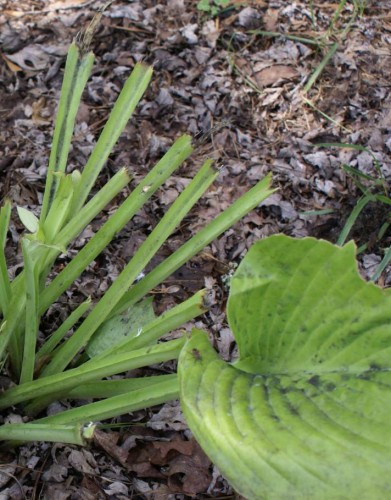
Identifying Deer vs. Rabbit Damage on Garden Plants
Discovering that something is devouring your prized blooms overnight is frustrating. If you find nothing but a clean-cut stem where a flower once stood, the culprit is likely a deer or a rabbit. Learning to distinguish b
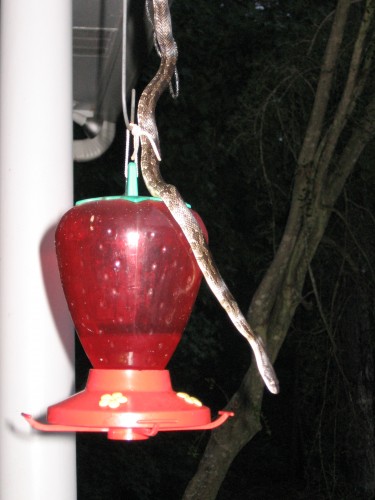
Gray Rat Snake on Hummingbird Feeder: Harmless but Hungry
That snake on your hummingbird feeder? A gray rat snake—non-venomous, but an adept climber and bird predator. Snake expert Jim Rodgers confirms it can strike and injure hummingbirds. You did the right thing gently shooin
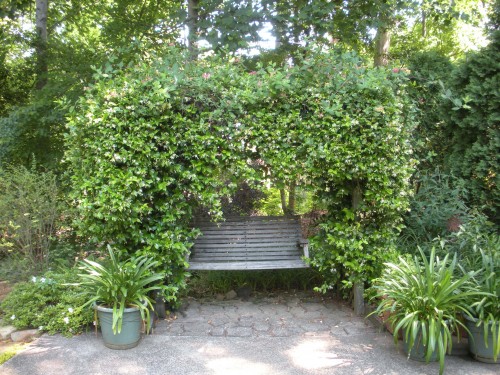
Confederate Jasmine Pruning: Taming the Fragrant Vigilante
Confederate jasmine (star jasmine) smells heavenly in bloom but grows like a thug. On my arbor, it gets a hard hedge-trimmer haircut every March, back to the metal frame. A second trim in August keeps it from swallowing
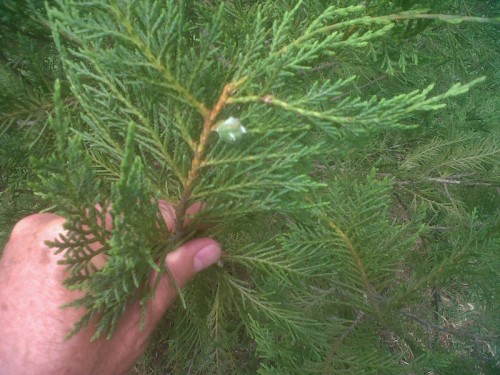
Leyland Cypress Seed Cones: Not Galls, But Sterile Seeds
Those small green spiked balls on your young Leyland cypress? Theyre seed cones, not galls. Slice one open and youll find brown seed-like structures. But dont bother planting them—Leyland cypress is a hybrid (Cupressus m
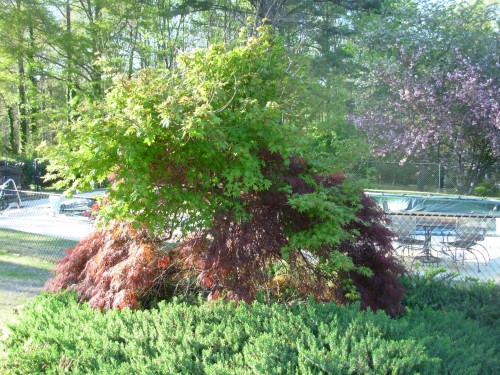
Japanese Maple Rootstock Takeover: Remove the Green Sucker
That vigorous green shoot emerging from the base of your purple-leaf Japanese maple? Its the rootstock asserting dominance. Most ornamental Japanese maples are grafted onto green-leaf seedling rootstock for vigor. If a b

Lawn Zombies: Organic Control Methods (Tongue Firmly in Cheek)
If youre battling the undead in your turf, forget wood chippers. My radio teams research confirms: a crowbar to the skull is the only certified organic control. Silver crosses, wooden stakes, and blue bottle trees? Usele
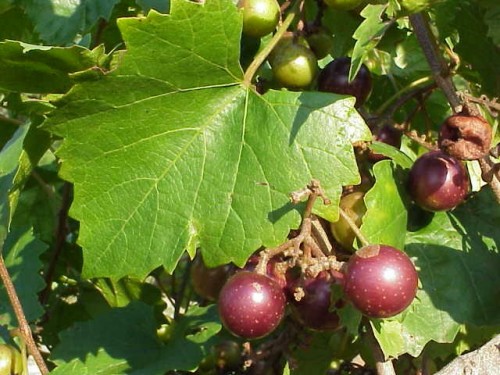
Propagating Muscadine & Scuppernong Vines: The Trench Layering Method
Want to preserve your grandfathers Scup Nuts vine? Muscadines and scuppernongs root easily from hardwood cuttings using a simple trench-layering technique. Early summer is ideal, but you can try this method anytime the v
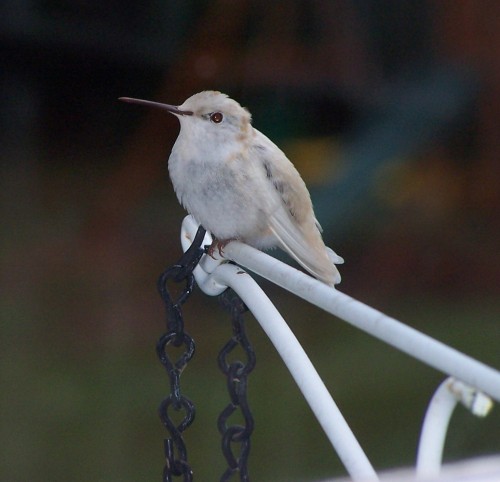
White Hummingbird Spotted in Georgia: Leucistic Ruby-Throat
A pure white hummingbird at your feeder in Lawrenceville is a rare and thrilling sight. Its almost certainly a leucistic (not albino) female ruby-throated hummingbird—the most common species in Georgia. Leucism reduces p
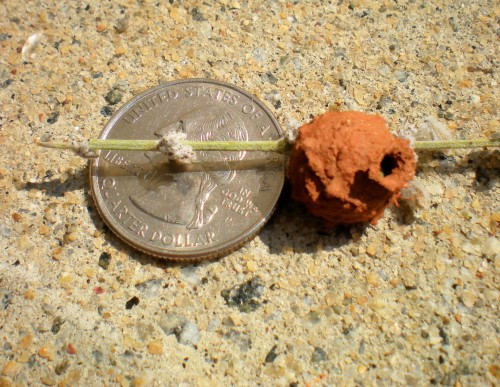
Potter Wasps: Nature's Tiny Vase-Makers and Caterpillar Hunters
That delicate, urn-shaped mud structure on your Russian sage? Its a nursery built by a potter wasp—a solitary, non-aggressive relative of mud daubers. The female constructs the pot from mud, stocks it with paralyzed cate
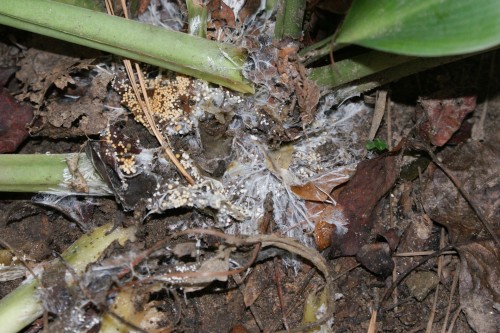
Hosta Crown Rot (Southern Blight): Diagnosis and the Surprising Cause
Those beige, mustard-seed-sized spheres and white cottony webbing at the base of your hosta? Textbook Southern blight (crown rot), caused by the fungus Sclerotium rolfsii. The beads are sclerotia—survival structures that
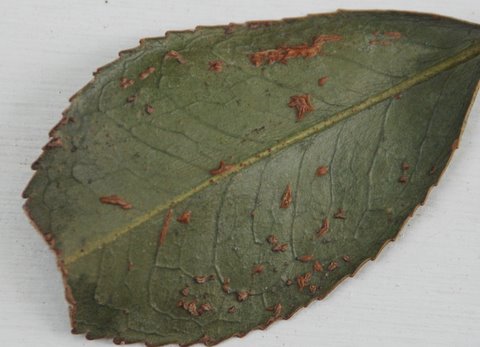
Camellia Oedema: Corky Leaf Blisters from Overwatering
Those corky, blister-like bumps on the undersides of your camellia leaves are classic oedema (edema)—a physiological disorder, not a disease. It occurs when roots absorb water faster than leaves can transpire it, causing
Copyright © www.100flowers.win Botanic Garden All Rights Reserved