


If your beech trees are coated in white, waxy fluff and the ground beneath is blackened with sooty mold, you have a thriving colony of woolly beech aphids (Phyllaphis fagi).
The white filaments are wax secretions that protect the aphids from predators and desiccation. They feed on sap, excreting copious honeydew that fuels sooty mold growth on leaves and surfaces below. While unsightly, heavy infestations rarely kill mature trees.
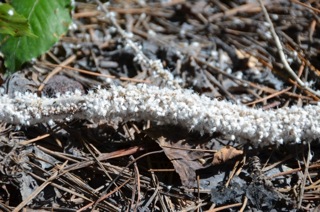
Woolly beech aphid colony
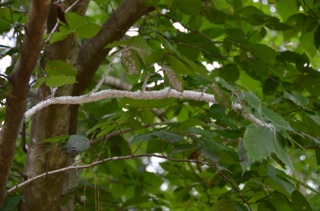
Woolly beech aphid
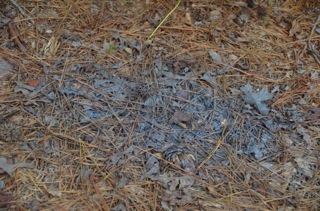
Woolly beech aphid honeydew and sooty mold
For most home landscapes, a wait-and-see approach combined with good tree care is sufficient.
Golden Larch vs. Common Larch: Clearing Up the Confusion
Society Garlic: Seed Collection and Deer Resistance
Lanceleaf Greenbriar: Thornless Vine with Edible Shoots
Barred Owl: The "Who Cooks for You?" Hunter
Bloody Dock (Rumex sanguineus): Ornamental or Invasive?
Creasy Greens: The Spring Tonic Wild Cress
Turtlehead (Chelone lyonii): Native Perennial for Damp Shade
Possum Grape (Ampelopsis cordata): Colorful Vine, Weedy Habit
Longleaf Pine: From Grass Stage to Bottlebrush
Rosinweed (Silphium compositum): Taprooted Native Perennial
Identifying Black Cherry Trees in the Landscape
Jatropha: Ornamental Shrub with Biodiesel Potential
Twining Snoutbean: Native Legume, Not a Weed
Copperhead Snake Identification: Venomous—Observe, Don't Touch
Copyright © www.100flowers.win Botanic Garden All Rights Reserved