


Unlike trees or flowers, turfgrasses lack showy distinguishing parts. Here’s how to ID the five main lawn grasses in Georgia by leaf width, growth habit, color, and seasonal behavior.
Image galleries for each grass type linked in original article.
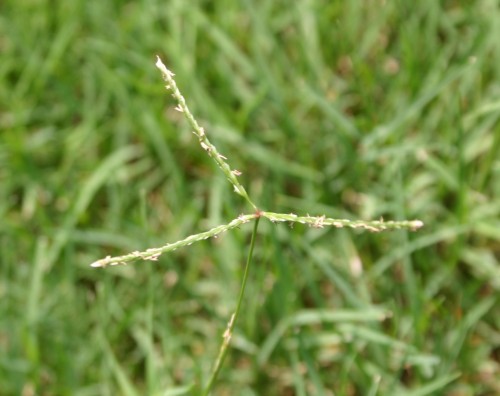
Bermuda seedhead
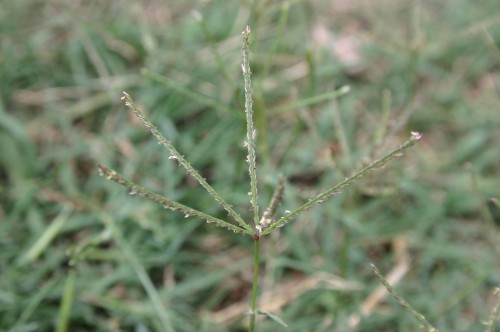
Bermuda seedhead
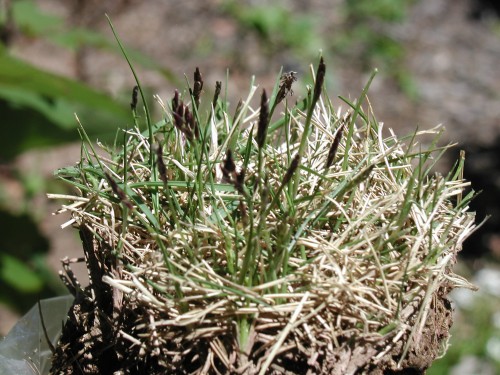
Zoysia seedheads
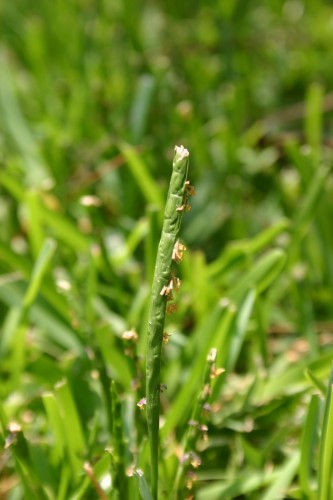
St. Augustinegrass seedhead
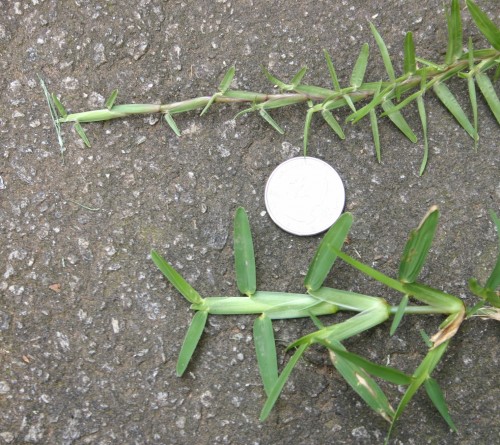
Centipede (top) vs St. Augustine (bottom)
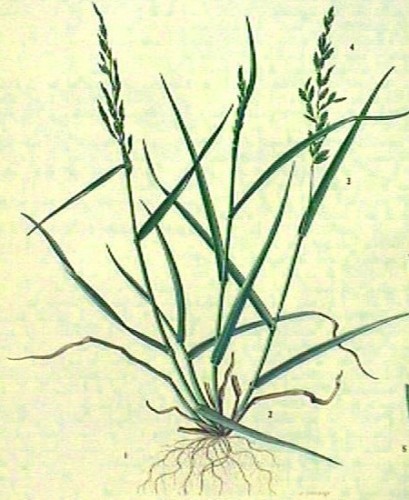
Fescue plant
Lawn Burned or Dormant? Scotts 4-Step, Lime, and Summer Stress
Diagnosing Yellowing Fescue and Controlling Low-Growing Weeds in Louisiana
Fairy Rings in Lawn: Fungal Nitrogen Release Creates Green Circles
Growing Grass in Shade: Strategies for Success
Beware of False Lawn Advertisements: Miracle Grasses Don't Exist
Mowing Centipedegrass: Height, Frequency, and Blade Care for a Healthy Lawn
Lawn Burned by Fertilizer on Yellow Spots: Diagnosis and Recovery
Fairy Ring in Lawns: Mycelium Mats Block Water and Require Aeration Plus Fungicide
Managing Spongy Bermuda Lawn on Sandy Soil
Winter-Damaged 'Red Beauty' Hollies: Will They Recover?
Hibiscus Leaves Turning White: Variegation or Root-Bound Stress?
Moss Control in Pennsylvania Lawns
Troubleshooting Grass Seed Failure in Tucson's Desert Climate
Copyright © www.100flowers.win Botanic Garden All Rights Reserved