
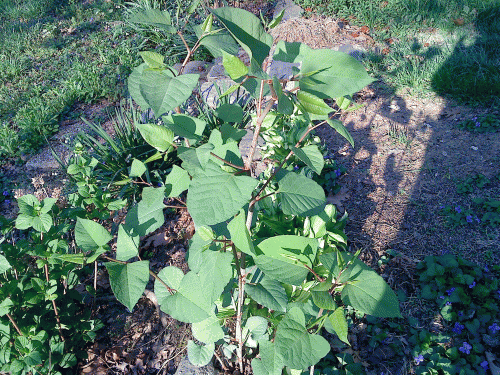
Japanese Knotweed: Identification and Effective Control Methods
That aggressive plant taking over your yard? Its Japanese knotweed (Polygonum cuspidatum, also called Mexican bamboo). Its on virtually every invasive species list in North America for good reason: it spreads rapidly via

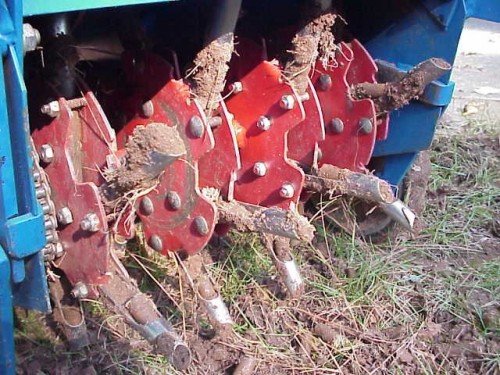
Hand Aerator vs. Machine: The Math Behind Lawn Aeration
Hand aerators look like great exercise—until you do the math. To properly aerate compacted soil, you need about 10 holes per square foot. A half-acre lot is roughly 21,000 square feet. Thats 210,000 holes. With a two-tin

Why Emerald Zoysia Struggles in Shade—and Better Alternatives
Emerald zoysia is prized for its fine texture and dense growth, but it has a known weakness: shade tolerance. If your lawn looks thin under trees while a neighbors Emerald zoysia thrives, two factors are likely at play.
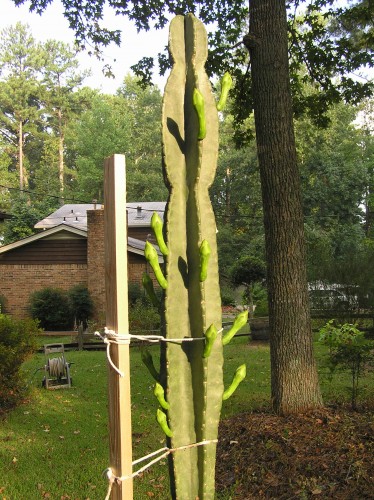
Propagating Night-Blooming Cereus: How to Start New Plants from Cuttings
That towering, night-blooming cactus youve nurtured for 20 years—likely a Cereus peruvianus or similar species—can absolutely be propagated from cuttings. These dramatic plants, pollinated by moths and bats, produce huge
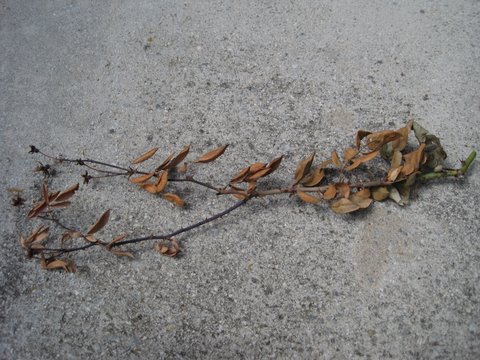
Rose Cane Borers: Identification and Prevention for Knockout Roses
If your Knockout roses are mysteriously yellowing and dying, with small holes visible in the canes, youre likely dealing with rose cane borers. These pests are the larvae of various insects—including certain wasps and be
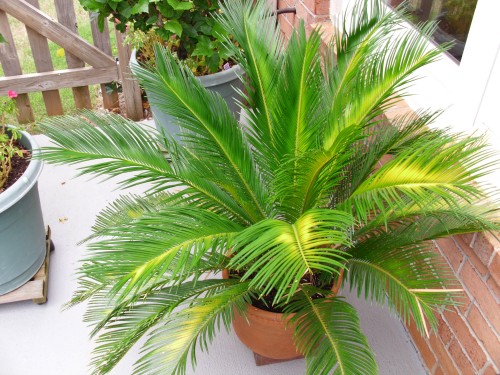
Sago Palm Yellowing: Nutrient Deficiency Diagnosis
Six-year-old potted sago palm with yellowing new and old leaves, never fertilized? Classic nitrogen or iron deficiency—easily fixed. Why Not Manganese? Manganese deficiency causes frizzled, distorted new growth (frizzle
Backyard Pond Algae Control: The Fish Stocking Connection
Green algae in your 500-gallon pond with 25 goldfish? Youre likely overstocked. Fish waste fuels algae—heres the math. Stocking Guidelines Unfiltered pond: 25 total fish inches max Pump/filter: 50 total fish inches Pre
Midge Clouds Over the Chattahoochee: Mating Swarms
Clouds of tiny non-biting midges (Chironomidae) = mating swarms. Males dance, females fly through to pair. Larvae aquatic, beneficial decomposers. Nuisance to joggers, harmless otherwise. Some species = bloodworms (red l
Sweetgrass Growing Challenges: Northern vs. Southern Species
Struggling with Hierochloe odorata (northern sweetgrass)? Its a climate mismatch—this species hates Southern heat and clay. Two Sweetgrasses Northern sweetgrass (Hierochloe odorata): Native to Midwest/Northeast/Canada.

Growing Crape Myrtles from Seed: Collection to Seedlings
Want to grow crape myrtles from your own tree? Easy process with rewarding results. Step-by-Step Collect brown seed capsules in fall. Dry on newspaper until fully open. Shake out seeds; store in envelope. Plant ½ inch
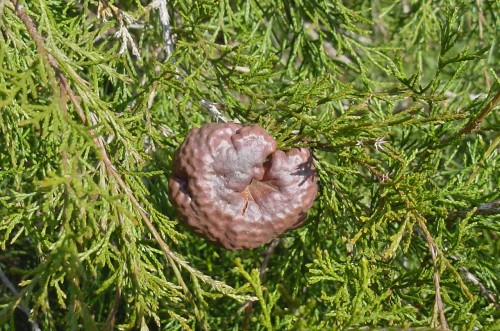
Cedar-Apple Rust: Why Moving the Tree Won't Help
Cedar-apple rust on your apple tree near a cedar? Moving the apple wont help—spores travel up to ½ mile. Heres the real management plan. The Disease Cycle Rust requires both hosts: juniper/cedar (gall stage) and apple/c
Fast-Acting Lime vs. Pelletized Lime: What Your Soil Test Really Means
Your soil test recommends 90 lbs lime/1000 sq ft. But fast-acting lime works differently—you need less. Heres the science. Lime Types Compared Pelletized lime: Finely ground limestone granulated for easy spreading. Mos
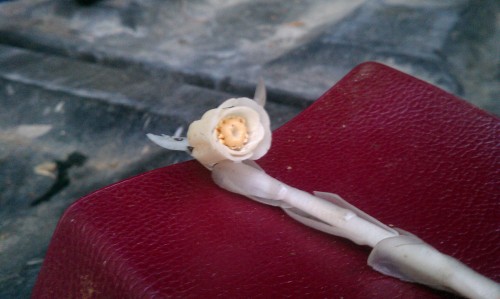
Indian Pipe: The Fragrant, Chlorophyll-Free Woodland Plant
Found striking, fragrant white plants in pine woods? Thats Indian pipe (Monotropa uniflora)—a mycoheterotroph that parasitizes tree roots via fungi. Unique Biology No chlorophyll—doesnt photosynthesize. Gets nutrients
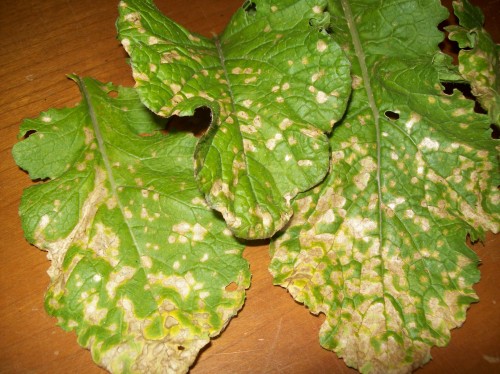
White Spot Disease on Turnips: Replant if Severe
Small spots spreading = white spot (Cercospora). Wet leaves spread it. Replant if crop lost and soil warm. Copper fungicides (Cop-R-Spray, Kocide) labeled for control. Scout after rain next time.
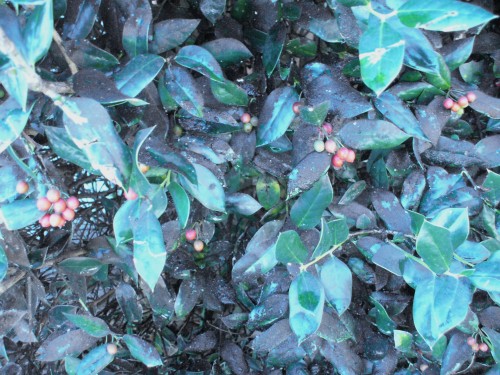
Holly Scale Infestation: Identification and Treatment Plan
Black coating on holly leaves? Thats sooty mold growing on honeydew from scale insects. Insecticide alone wont work—you need a targeted, timed approach. The Problem Scale insects suck sap, excrete honeydew → sooty mold
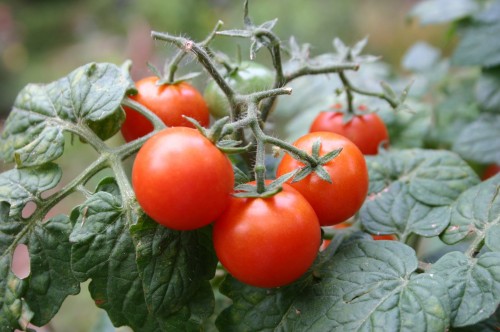
Fall Tomato Success: Extending the Harvest Season
Your fall tomatoes thrived after summer survival and cutback—classic Southern gardening success! Cooler temperatures are the secret. Why Fall Tomatoes Excel Lower day/night temps keep blossoms viable longer. Better pol
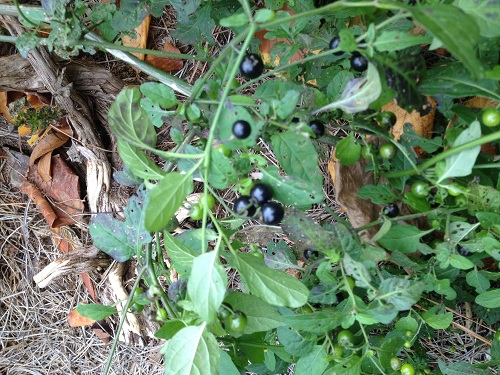
Black Nightshade (Solanum nigrum): Toxicity and What to Do If Eaten
Toddler Ate a Berry from Black Nightshade—Now What? The plant in question is black nightshade (Solanum nigrum). Several Solanum species contain toxic compounds (glycoalkaloids), but the family also includes tomatoes and
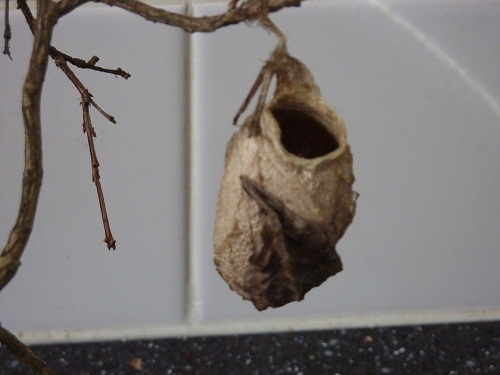
Polyphemus Moth Cocoon: Identification and Life Cycle
That Nest on Your Crape Myrtle Is a Giant Silkworm Moth Cocoon The urn-shaped structure attached to a crape myrtle branch is the cocoon of a Polyphemus moth (Antheraea polyphemus), a member of the giant silkworm moth fam
Mulch Leaves, Don't Rake: Benefits for Lawn Health
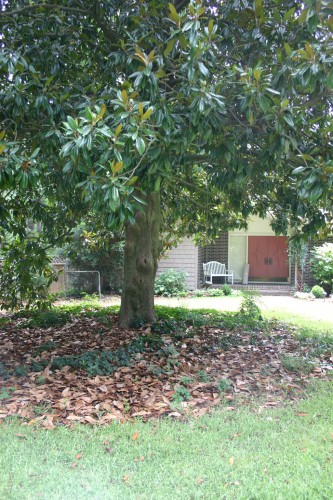
Why You Should Mow Over Fall Leaves Instead of Raking Research supports skipping the rake and using a mulching mower to shred leaves directly into the lawn. Two key studies: Michigan State University: Mulched leaves su
A Gardener's Thanksgiving: A Poem by Reverend Max Coots
A Gardeners Thanksgiving Originally shared on radio, this beloved poem by Reverend Max Coots (1928–2009), Minister Emeritus of the Unitarian Universalist Church in Canton, New York, celebrates friendship through garden m
Copyright © www.100flowers.win Botanic Garden All Rights Reserved