


Catalpa worms, the larvae of the catalpa sphinx moth, are prized fish bait. If your catalpa trees aren't hosting them, you can introduce the population yourself.
Female moths lay eggs on catalpa leaves in spring. The caterpillars feed gregariously, then drop to the ground to pupate in the soil. Adults emerge later to continue the cycle. The key to establishing a colony is ensuring that pupae survive in the soil near your trees.
Collect caterpillars from a tree that has them (with permission) and place them on your trees. Allow them to feed and complete their development. When they crawl down to pupate, they'll establish a local population. Avoid using broad-spectrum insecticides, which kill the moths and beneficial parasitic wasps that naturally regulate the caterpillars.
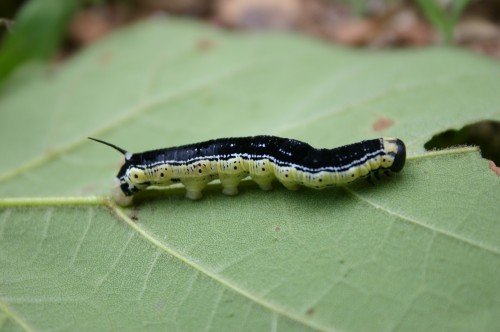
Catalpa worm
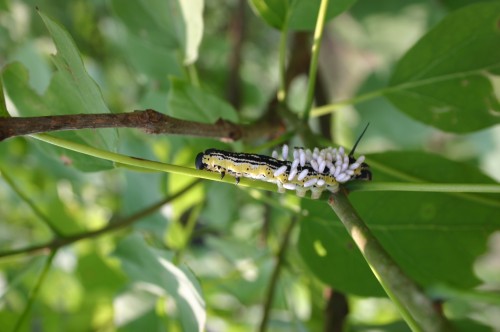
Catalpa worm with parasitic wasp cocoons
With a little patience, you'll have a sustainable supply of top-quality bait right in your yard.
Identifying a Mystery Tree: Catalpa or Paulownia?
Tree Fungus Identification and Management: A Gardener's Guide
Poplar Tree Identification: 6 Species by Leaf, Bark & Form
The Catalpa Tree: Messy Magnificence and a Woodcarver's Dream
Horsehair Worm in Water Lily Pot: Harmless Curiosity
Saving Mature Catalpa from Borers, Drought, and Age
Growing Catalpa Trees from Seed: Stratification and Container Management
Chinese Tallow Tree: Invasive "Popcorn Tree" With Biodiesel Potential
Catalpa Worm Control: Using Bt for Caterpillar Management
Copyright © www.100flowers.win Botanic Garden All Rights Reserved