
Planning a New Vegetable Garden in Georgia
Starting a 30x50 ft garden in Georgia? The University of Georgias extension publications are your best resource for layout, varieties, planting dates, fertilization, and pest management. Visit xrl.us/ugagardening for fr

Bamboo Removal: A Multi-Year Commitment
Running bamboo is a formidable opponent. Digging alone rarely succeeds because rhizomes run deep and wide, and any fragment left behind resprouts. Effective Strategy: Exhaust the Root System Cut all canes to ground lev
When to Retest Soil After Fertilizing
After applying 10-10-10 to correct phosphorus and potassium deficiencies, wait until fall to retest. Nutrients need months to disperse evenly through the soil profile. Testing too soon gives misleading results. Use the
Why Oak Trees Shed Bark: Natural Growth or Smooth Patch Disease
Seeing bark flakes at the base of your oaks? Its usually one of two harmless causes. 1. Rapid Growth After Good Rainfall After consecutive wet years, trunks expand faster than the outer bark can stretch, causing it to s
Transplanting Peonies: Timing and Technique
Peonies resent disturbance, but if you must move them, timing and root ball size are critical. When to Transplant Best: Early October, when plants are dormant but soil is still warm for root growth. Acceptable (with ca
The Correct Spelling: Crapemyrtle (One Word)
Plant names can be confusing, but for the iconic Southern flowering tree, the authoritative single-word spelling is crapemyrtle. Why One Word? Horticultural references like Dr. Michael Dirrs Manual of Woody Landscape Pl
Pruning Lower Tomato Branches to Prevent Disease
Removing lower tomato branches that touch the ground is a smart practice. It reduces soil-borne diseases like early blight, which splash onto foliage from rain or irrigation. Best Practices Prune off any leaves or stem
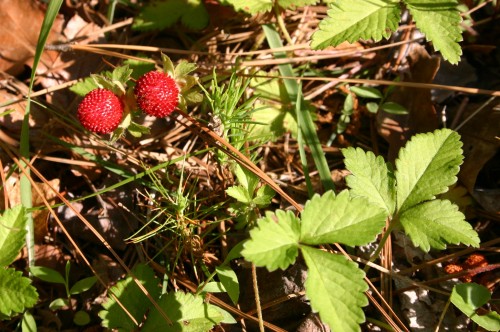
Wild Strawberry (Potentilla indica): Edible but Tasteless
The common lawn weed called wild strawberry or Indian mock strawberry (Potentilla indica) produces small, red, strawberry-like fruits. They are technically edible but have virtually no flavor—dry and bland. Identificati
Watering New Zoysia Sod: Use a Soil Moisture Sensor
New zoysia sod needs consistent moisture to root, but a fixed schedule wastes water and can cause disease. The best approach: water only when the soil needs it. Why a Schedule Fails Rainfall, temperature, wind, and soil
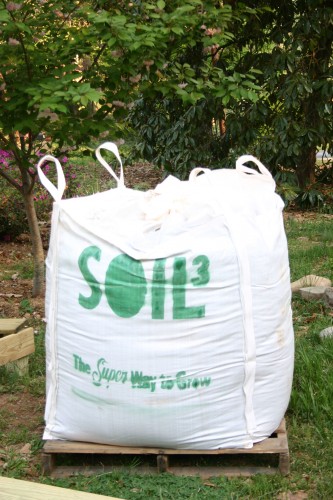
Buying Bulk Garden Soil in the Atlanta Area
Quality bulk soil is essential for productive vegetable beds. In metro Atlanta, several reputable suppliers offer blended garden mixes. Local Suppliers Patten Seed: Offers screened topsoil/compost blends. Atlanta Lands
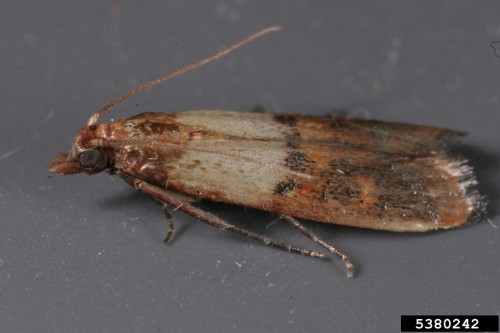
Preventing Pests in Dried Peppers
Indian meal moths and beetles infest dried peppers when eggs laid during air-drying hatch in storage. The solution is simple: freeze your dried peppers. Why Freezing Works Freezing at 0°F (-18°C) for at least 4 days kil
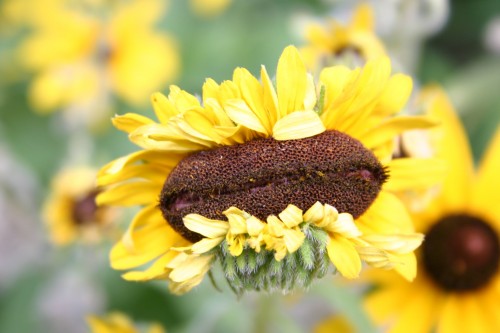
Fasciation: The Fascinating World of Flattened Plant Stems
Those bizarre, flattened, fan-shaped flower stems on your brown-eyed Susan are a phenomenon called fasciation—a genetic or environmental glitch that causes the growing tip to elongate into a line instead of a point. Cau
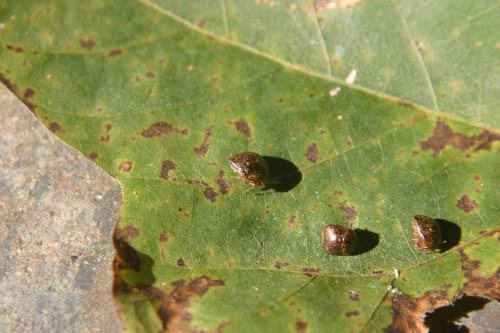
Kudzu Bug Eye Exposure: First Aid and Prevention
Kudzu bugs (bean plataspids) release a caustic defensive chemical when threatened. If one gets in your eye, it causes intense burning, swelling, and potential corneal damage. Immediate First Aid Flush immediately: Use
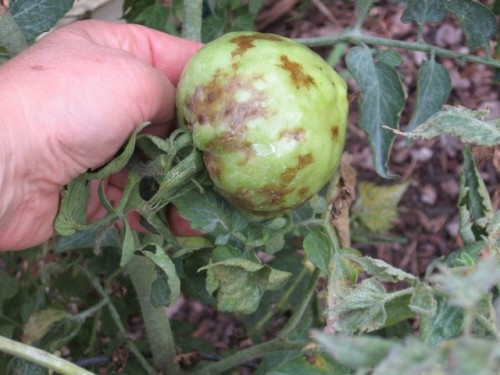
Late Blight on Tomatoes: Identification and Management
Brown, greasy lesions on green tomato fruit starting at the stem end and spreading downward are classic symptoms of late blight (Phytophthora infestans), a devastating oomycete disease. Confirming Late Blight Look for:
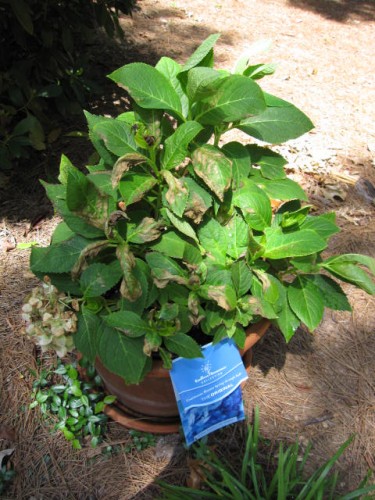
Hydrangea Leaf Scorch from Sevin: Chemical Burn, Not Disease
Sprayed three of your four new hydrangeas with Sevin (carbaryl)? The curled, browned leaves on those three—while the unsprayed one looks fine—are classic insecticide burn. High heat and humidity likely caused the chemica
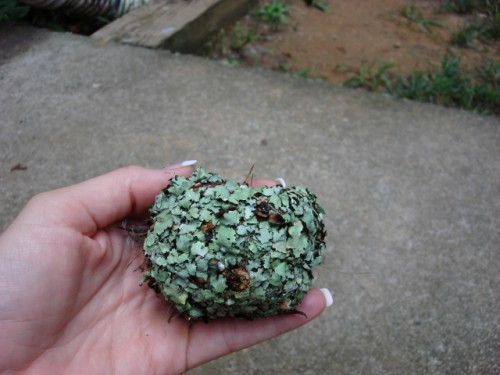
Blue-Gray Gnatcatcher Nest vs. Hummingbird Nest
Found a small, cup-shaped nest on the ground? Its likely from a blue-gray gnatcatcher, not a hummingbird. Though similar in size, there are key differences. Distinguishing Features Gnatcatcher nest: Deeper cup, heavily
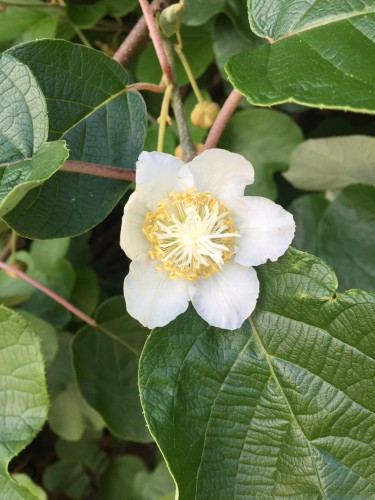
Determining Sex of Kiwi Vines for Fruit Production
Kiwi vines are dioecious—you need both male and female plants for fruit. If your vine has flowered for six years without fruit, its likely a solitary male or female without a partner. How to Tell Male from Female Flower
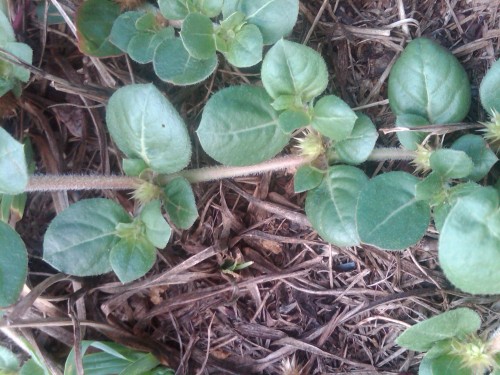
Khakiweed (Alternanthera pungens): Identification and Control
Khakiweed, also called matt chafflower, is a low-growing, mat-forming perennial weed with painful burs that stick to shoes, tires, and pet fur. It spreads aggressively by seed and root fragments. Identification Look for
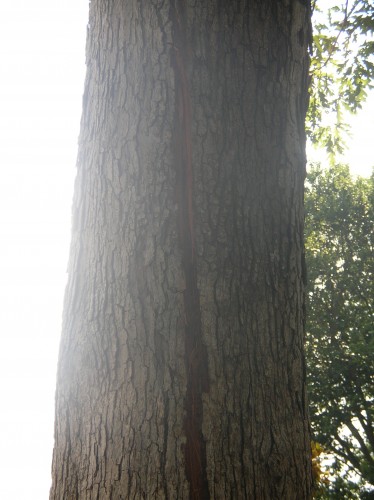
Lightning Strike on Oak: Assessment and Care
A lightning strike that strips a 30-foot strip of bark from your white oak is alarming, but the tree can survive with proper care. Immediate Actions Trim loose bark: Use a sharp knife to carefully remove any hanging ba
Why Eco-Lawn Fescue Mix Fails in Atlanta's Heat
Eco-Lawn, a blend of seven fine fescues, is marketed as drought-tolerant, but its not suited for Atlantas climate. The mix contains sheep fescue, slender red fescue, creeping red fescue, Chewings fescue, and hard fescues
Copyright © www.100flowers.win Botanic Garden All Rights Reserved