


Improving Clay Soil Before Planting Zoysiagrass: Why Amazoy Isn't the Answer
Switching from fescue to zoysiagrass wont solve lawn problems if heavy red clay remains unamended. Grass roots struggle to penetrate dense clay regardless of species. Amazoy is simply a branded name for Meyer zoysiagrass

Weed Control Under Bird Feeders Without Harming Wildlife
Sprouting seeds and weeds under bird feeders are a common nuisance. For safe control: Glyphosate (Roundup): Has a good environmental profile and doesnt harm birds when used as directed. Apply carefully to avoid contact
Planting Scotch Moss Between Patio Stones: Keys to Success
Scotch moss (Sagina subulata)—also called Irish moss—isnt a true moss but forms a similar low, tufted green carpet. For success between patio stones: Light: Prefers semi-shade; struggles in full sun, especially during
The Unique Flowering Biology of Fig Trees
Your friend is partially right—fig trees do have flowers, but theyre hidden inside the fruit structure. Unlike apples or peaches that bloom visibly in spring, figs produce multiple pouch-like structures called syconia on
Composting Mushrooms: Beneficial or Problematic?
Those mushrooms popping up in your lawn are perfectly fine to add to your compost pile. Mushrooms are simply the fruiting bodies of underground fungi—mostly water and organic tissue that will break down rapidly. Far fro
Transplanting Peonies: Soil Preparation for Decades of Blooms
Peonies occupy the same bed for decades, so thorough soil preparation pays dividends. For a new planting area: Dig 12 inches deep, discarding the bottom 3 inches of soil. Mix the remaining soil with a 3-inch layer of g
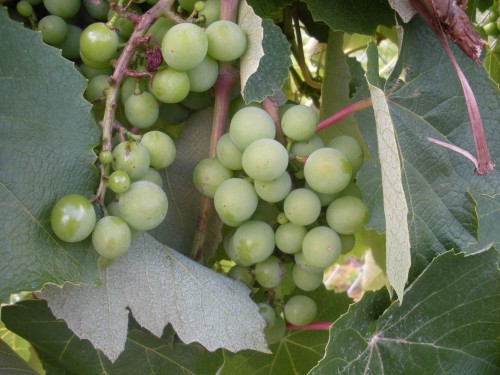
Cane Pruning 'Concord' Grapes: A Step-by-Step Guide
Unlike muscadines, which are spur-pruned, American bunch grapes like Concord require cane pruning on a two-wire trellis system: Select four vigorous canes and tie them to the wires in opposite directions from the centr
Shock Chlorination for New Wells: Procedure and Testing
Shock chlorination sanitizes a new well by introducing a calculated concentration of chlorine bleach, which remains in the system overnight to eliminate harmful bacteria. While the procedure involves straightforward calc
Planting Onion Transplants in January: Varieties and Timing for Georgia
Contrary to what you might think, January is an excellent time to plant onion transplants in Georgia. Onions thrive in cool weather—just look at how happily they grow in winter lawns! The key is selecting the right vari
Collecting and Growing Jack-in-the-Pulpit from Seed
Jack-in-the-pulpit (Arisaema triphyllum) produces red berries in fall. Wear gloves—seeds can cause skin irritation. Remove pulp, plant seeds ½ inch deep in a moist, shady bed. Seedlings appear in mid-summer. Keep moist,
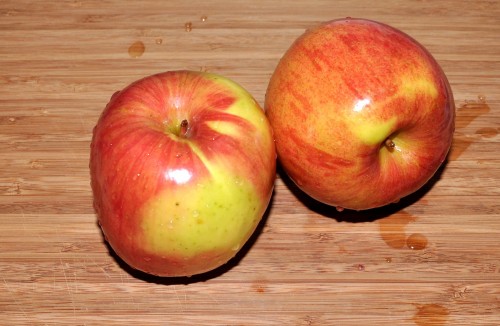
Year-Round Care Calendar for Apple, Crabapple, and Pear Trees
Proactive care keeps fruit trees productive and healthy. Follow this seasonal schedule: February: Apply horticultural oil to suffocate overwintering insects in bark crevices. Bloom period: Spray with a garden fungicide
Rejuvenating a Leggy African Violet by Re-rooting the Stem
African violets lose lower leaves over time, leaving a bare stem. To rejuvenate: cut the stem so 2 inches remain below the lowest leaves. Plant in a 3-inch pot with fresh mix, water, and enclose in a sealed plastic bag i
Safe Fire Ant Control Around Ponds and Water Features
When fire ants colonize areas near ponds with fish and frogs, treatment requires extra caution. Bait products are the safest choice because foraging ants carry the bait back to the colony, minimizing environmental exposu
Building Birdhouses and Creating a Bird-Friendly Landscape
Building birdhouses makes a rewarding winter project, but attracting birds requires more than just nesting boxes. A truly bird-friendly landscape provides four essential elements: shelter (shrubs and dense plantings), wa
Best Plant and Tree Identification Guides for the Southeast
For reliable plant and tree identification in the Southeast, these resources stand out: Top Pick: A Field Guide to Woody Plants of the Southeast by Rex Bishop (Tea Olive Productions). This comprehensive guide features c
Catalpa Trees and Catawba Worms: The Fisherman's Secret Bait Source
That catawba tree from your childhood is almost certainly a catalpa (Catalpa bignonioides). The prized catawba worms are actually caterpillars of the catalpa sphinx moth. These larvae feast on catalpa leaves, then drop t
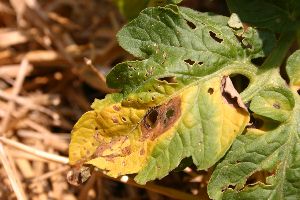
Three Excellent Resources for Tomato Disease Identification
Struggling to diagnose whats ailing your tomato plants? Three outstanding online resources can help you identify virtually any tomato problem through detailed photos and descriptions: Virus Diseases of Tomatoes - Focus
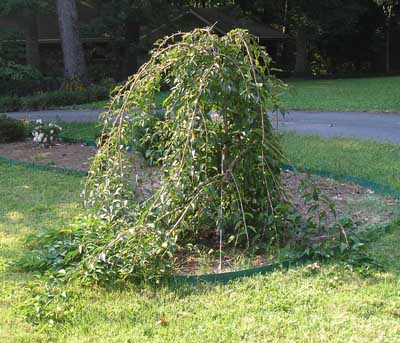
Weeping Cherry Tree Not Gaining Height? You May Have a Higan Cherry
If your weeping cherry tree spreads wide and low instead of growing upward, you likely purchased a weeping Higan cherry (Prunus subhirtella var. pendula) rather than a grafted weeping variety. The key difference: Higan c
Why Your 'Key Largo' Pepper Seeds Failed to Germinate
When pepper seeds refuse to sprout while tomato seeds planted alongside them thrive, the problem usually traces back to seed maturity. Key Largo peppers turn red when fully ripe, and seeds achieve maximum viability only
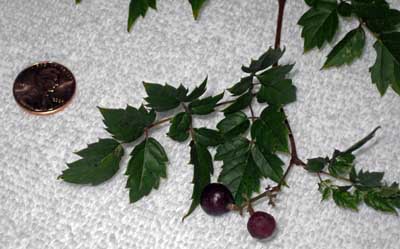
Identifying Peppervine: The Aggressive Climber Taking Over Your Magnolia
If a vigorous vine has overtaken your Japanese magnolia, youre likely dealing with peppervine (Ampelopsis arborea). This native vine is related to porcelain berry and possum grape, sharing their aggressive climbing habit
Copyright © www.100flowers.win Botanic Garden All Rights Reserved