
Where to Buy Boric Acid for Homemade Ant Bait
Boric acid powder is sold in the first-aid or pharmacy section of most drugstores. Alternatively, purchase insecticide dusts that list boric acid as the active ingredient (e.g., Roach Prufe). Always read the label to con

Transplanting Gladiolus and Amaryllis: Timing and Techniques
Gladiolus: Lift corms now (after foliage yellows), but store them dry and cool until spring planting. Do not replant in fall. Amaryllis: Divide offsets now and pot each in a small container. Keep them growing actively; t
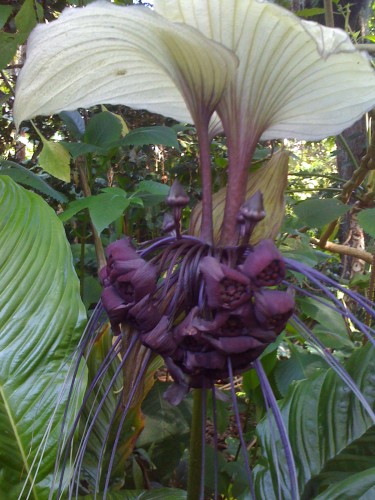
The Amazing Bat Plant: Tacca chantrieri's Exotic Blooms
The bat plant (Tacca chantrieri, also T. integrifolia) is a tropical understory perennial known for its bizarre, bat-like inflorescences: deep purple-black bracts up to 12 inches across, long whisker-like filaments, and
Can You Tell a Caterpillar’s Sex? Not Until It’s a Butterfly
Caterpillars have sexes, but they look identical. Sex is only distinguishable in the adult butterfly stage via wing patterns. The caterpillar’s job is to eat and grow; mating happens after metamorphosis. Even scientists
Sabal Palmetto Scale Control: Horticultural Oil and Predators
Scale on sabal palmettoes is protected by a waxy shell that blocks insecticides. Best approach: Wipe off as many scales as possible with soapy water on paper towels. Spray with horticultural oil to suffocate remain
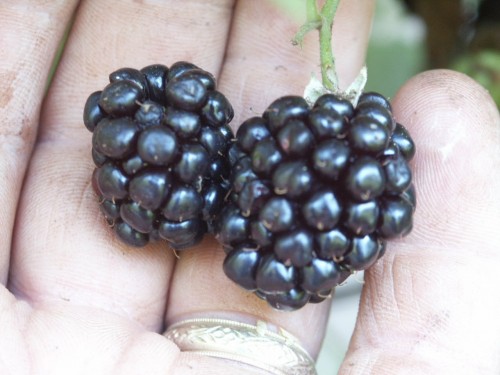
‘Kiowa’ Blackberry: Giant Fruit, Needs Trellis
‘Kiowa’ blackberry (University of Arkansas breeding) produces berries the size of marbles to golf balls—far larger than ‘Arapaho’ or ‘Gem’. It’s very thorny, fast-growing, and requires a two-wire trellis (plant 6 ft apar
Don’t Transplant Wild Muscadines—Buy Named Varieties
Wild muscadines (bird-planted, unknown parentage) produce erratically. Instead, plant named cultivars like ‘Triumph’, ‘Cowart’, or ‘Carlos’ for reliable, high-quality crops. Nursery vines are selected for productivity,
Golden Digger Wasps: Beneficial Lawn Insects
Swarming yellow insects hovering over lawns in July are golden digger wasps—solitary, non-aggressive, and beneficial. They paralyze lawn insects (grubs, caterpillars) to provision underground nests for their young. Blue
Homemade Ant Bait: Boric Acid and Peanut Butter Recipe
Mix: 4 tablespoons peanut butter 6 tablespoons honey ¾ teaspoon boric acid Place small amounts in areas ants frequent, inaccessible to children. A 35mm film canister with a hole in the lid makes a good bait stat
Ergonomic Garden Tools for Aging Gardeners
As baby boomers age, demand grows for tools that reduce wrist strain and back pain. Several companies specialize in ergonomic designs: One to Grow On, Inc. (888-383-2240) – comfortable grip tools. PETA tools (via A
Transplanting Blueberry Suckers in February
February is ideal for transplanting rooted blueberry suckers severed from the mother plant last summer. They’ll be well-rooted by now. Steps Dig carefully to preserve roots. Plant in well-prepared bed (acidic, well
Why Blueberries Didn’t Fruit This Year
Two common reasons for no fruit on established blueberries: Late freeze killed blossoms before pollination. Vegetative vigor: Young plants often channel energy into growth, not fruit. With good care, they’ll fruit
Measuring 1 Inch of Water for Blueberries with a Hose
Goal: moisten soil 6 inches deep once per week. For young blueberries, 5 gallons/week; for 4–6 ft plants, 10 gallons/week if no rain. Practical Calibration Time how long your hose takes to fill a 5-gallon bucket. That’s
Watering Large Trees: Soaker Hoses Beat Deep Root Spikes
Tree roots concentrate in the top 12 inches of soil. Deep-root watering spikes bypass the absorbing roots. Better methods: Soaker hose: Lay under the drip line (branch tips) where feeder roots are densest. Sprinkle
DeKalb County Compost: Safe for Vegetable Gardens
DeKalb County composts 214,000 cubic yards of landscape debris annually—no human waste. Sewage sludge is handled separately under strict state regulations. The compost is safe for vegetable gardens. Program Details 1
Transplanting Large Crapemyrtles: Root Preservation Is Key
Moving 10-foot crapemyrtles is feasible if you prioritize roots over soil. Steps: Explore 4 feet around with a spading fork; identify major roots. Gently pull major roots free; sever side roots as needed. Dig und
Kiwi Vine Care: Patience Required for Fruit
Kiwi vines grow aggressively (kudzu-like) but delay fruiting for years. They’re marginally cold-hardy in Atlanta—protect in severe winters. Fertilization Strategy Years 1–3: Fertilize to establish. Year 4: Stop fer
Soil Sterilization Methods for Science Projects
Three ways to sterilize small soil samples for a science fair: Oven: Moisten soil (not soggy), spread in shallow pan, bake at 180°F for 30 minutes. Smells bad! Boiling water: Line colander with cheesecloth, add soi
Growing Grapefruit from Seed Indoors in Atlanta
A seedling grapefruit can be a fun houseplant, but don’t expect bushels of fruit. Keep it compact and move it seasonally: Winter: 1-gallon pot, sunniest window or 2×40W fluorescents. Minimal water, no fertilizer. 5
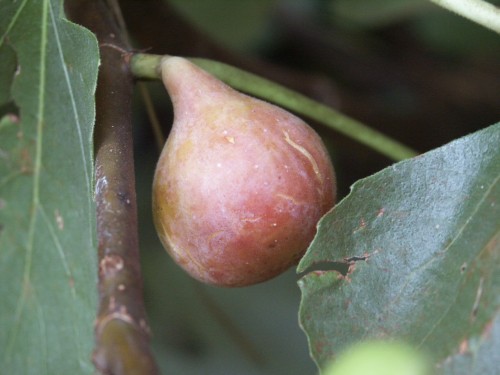
Fig Pruning Strategy for Consistent Annual Crops
Figs produce a small breba crop on old wood in early summer and a main crop on new wood in fall. Severe winter pruning removes the breba crop and delays the main crop. Recommended Schedule January (Year 1): Prune to
Copyright © www.100flowers.win Botanic Garden All Rights Reserved