

Gardening with Allergies: Plant Selection and Practical Tips
Planting only female (pollen-free) trees and shrubs offers minimal allergy relief because most landscape plants have perfect flowers (both sexes), and allergenic pollen travels far. A high-efficiency HVAC filter and a qu

Best Grape Varieties for Atlanta: Muscadines and Bunch Grapes
Atlanta gardeners can grow two types of grapes: muscadines (native, pest-resistant, thick-skinned) and bunch grapes (thin-skinned, eaten fresh). Recommended Muscadines ‘Carlos’ (bronze, self-fertile) ‘Fry’ (bronze,
Repelling Dogs from Yard: Limited Options
No commercial repellent consistently keeps dogs out of a yard. Sulfur, naphthalene, and blood meal products may work briefly, but dogs quickly habituate. Efficacy is estimated at 50% or lower. Practical Solutions Tal
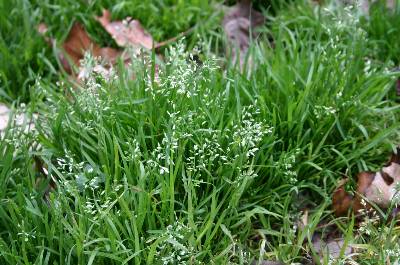
Controlling Annual Bluegrass (Poa annua) in Lawns
Annual bluegrass (Poa annua) is a winter annual that reseeds prolifically, forming a thick mat that chokes out desirable turf. It dies in heat, leaving bare spots and thousands of seeds for next fall. Best Control: Fall
Why Divided Iris Bloom White: Vigor and Genetics
When iris rhizomes are divided, the resulting plants sometimes bloom white instead of their original colors. Two main theories explain this: Theory 1: Vigor Selection White-flowered iris may be inherently more vigorous
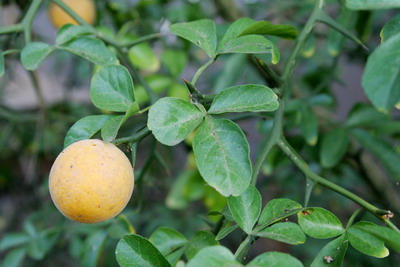
Trifoliate Orange (Poncirus trifoliata): Hardy Citrus Relative
Trifoliate orange, also called Japanese bitter orange, is a thorny, deciduous shrub or small tree native to China. It survives temperatures as low as 5°F, making it the hardiest citrus relative. Identification Leaves
Purple Fountain Grass: Annual in Atlanta, Perennial in South Florida
Purple fountain grass (Pennisetum setaceum ‘Rubrum’) is a tender perennial that cannot survive Atlanta winters outdoors. It’s considered mildly invasive where it overwinters (Zone 9+), so its annual nature here is actual
Growing Pomegranates in Containers and Outdoors
Pomegranates (Punica granatum) are dense, thorny shrubs 6–12 feet tall with orange-red flowers and leathery fruit full of juicy seeds. While marginally hardy in Atlanta (damaged below 10°F), they can succeed outdoors wit
Straightening a Leaning Pine Tree After Storm Damage
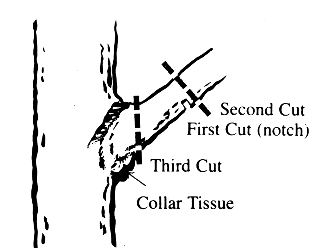
A 12-foot pine leaning 15 degrees with exposed roots can often be saved if acted upon quickly. Follow these steps: Step-by-Step Dig a cavity under the raised root ball to allow it to settle back into place. Attach
Why African Violets Won’t Bloom: Light Is Key
African violets that grow large but fail to bloom are almost always suffering from insufficient light. The plants stretch their leaves and stems to capture more photons, resulting in lush foliage but no flowers. Light R
Low-E Glass in Sunrooms: Effects on Houseplants
Low-emissivity (Low-E) glass reduces heat transfer by blocking infrared and ultraviolet light, but it also slightly reduces visible light transmission (typically 75–85%). For most houseplants, this reduction is negligibl
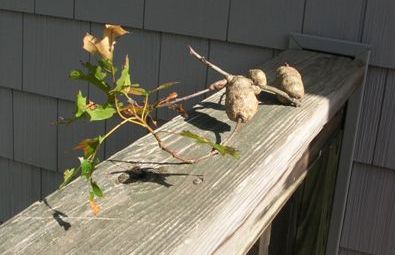
Gouty Oak Gall: Strange Growths on Oak Trees
Those potato-like, honeycombed growths falling from an oak tree are gouty oak galls, caused by tiny wasps that lay eggs in twigs. The tree’s tissue swells around the eggs, forming the distinctive gall. Key Facts Most
Spiders and Ants in the Vegetable Garden: Friend or Foe?
Spiders are overwhelmingly beneficial in the garden, preying on aphids, small caterpillars, and other soft-bodied pests. Encourage them by mulching with wheat straw, which provides ideal habitat. Ants: Mostly Harmless A
Easter Egg Plant (Solanum ovigerum): Ornamental Nightshade
Easter egg plant (Solanum ovigerum) is a fascinating annual in the nightshade family, related to tomatoes, angel trumpet, and Jerusalem cherry. Its fruit closely resembles a hen’s egg—starting white, turning yellow, then
River Birch Sawfly Larvae: Not Caterpillars, Require Different Control
Those “caterpillars” defoliating your river birch are actually sawfly larvae—primitive wasp relatives that look like caterpillars but have more prolegs and a different lifecycle. This distinction matters because Bt (Baci
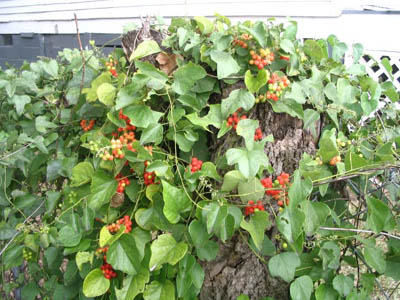
Carolina Snailseed: A Native Vine with Unique Seeds
Carolina snailseed (Cocculus carolinus) is a native vine often noticed in fall for its clusters of bright red berries. The leaves resemble smilax or large-leaf vinca, but the plant’s namesake feature is hidden inside the
Winter-Hardy Cactus and Succulents for Atlanta Gardens
Several cacti and succulents thrive in Atlanta’s climate if given excellent drainage. Randy Kucera of Randy’s Perennials and Greenhouse in Lawrenceville recommends the following for Southeastern gardens: Recommended Col
Why Lombardy Poplar Is Banned in Atlanta
Lombardy poplar (Populus nigra ‘Italica’) is prohibited from planting on City of Atlanta property under the municipal tree ordinance. The fast-growing, columnar tree is banned alongside silver maple due to their weak woo
How to Store and Prepare Boiled Peanuts
Boiled peanuts are a Southern delicacy, but keeping them fresh after purchase or home cooking requires proper cooling. If your peanuts turned slimy and off-flavored overnight, insufficient chilling is likely the culprit.
Zoysiagrass for Shade: Choosing the Right Variety
Many homeowners choose zoysiagrass for its reputation as a shade-tolerant turf, but not all zoysia varieties perform equally in low light. Understanding the light requirements of different grasses can save you from costl
Copyright © www.100flowers.win Botanic Garden All Rights Reserved