


Hazelnuts and Pistachios in Georgia: Skip Them, Try These Instead
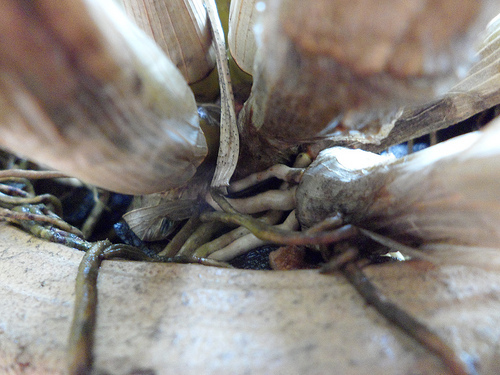
Our heat and humidity doom both hazelnuts and pistachios. But you have options: For Hazelnut Lovers American filbert (Corylus americana) is a native look-alike that handles Georgia better. Its smaller, but produces tast

Pruning 'Homestead Purple' Verbena: Cut Hard in March for Summer Blooms
Your verbena got hammered by winter. Good news: it blooms on new growth. Heres the annual routine: March Maintenance Shear the whole plant to 3 inches tall. Chop through the mat in several places with a shovel or knife
Making Tea from Your Camellia sinensis: Possible, But Don't Quit Your Day Job
Yes, you can make tea from your tea camellia (Camellia sinensis). But commercial tea involves precise steps youll likely skip: The Real Process Pluck the tip bud + 2–3 young leaves. Wither (dry) for hours. Roll/bruise
Finding a Wild Plum Tree: Your Best Bet Is a Backroad Search
You want the wild plum (Prunus americana) your dad made jam from. Nurseries rarely carry it. Your best shot? Go Old School Drive country roads in April when they bloom (fragrant white flowers). Spot a tree, find the la
Plum Tree Blooming in January? You Can't Stop It, But You Can Protect the Flowers
Your plum tree thinks January warmth means spring. Genetics drive this—some varieties bloom after any warm spell following chill hours. You cant reprogram the tree. What You Can Do If youre determined to save the blooms
Cedar Apple Rust: Those Orange Gobs on Your Red Cedar
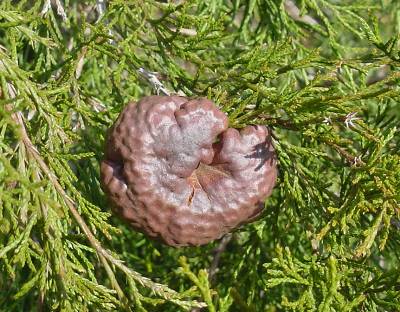
Youve got walnut-like growths on your Eastern red cedar. Thats cedar apple rust, a fungus with a two-host life cycle: it needs both red cedar and apple/crabapple trees to survive. What Youre Seeing Those dried galls? La
Growing Lily of the Valley in Georgia: It's Possible, But Picky
You remember vast, fragrant patches of Lily of the Valley from Ohio. Can you recreate that in Atlanta? Yes—but its an uphill battle. This plant (Convallaria majalis) hates our summer heat. Give It What It Needs Bright
Using Sprinklers for Freeze Protection: It Works—But Only If You Know the Science
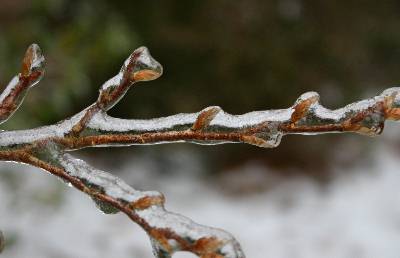
Can you save plants from a freeze by sprinkling them with water? Maybe—but its a high-stakes gamble. Citrus and strawberry growers do it successfully, but they have precision weather data and calibrated systems. Home gar
Fungus Gnats on Houseplants: Identify, Confirm, and Control Them
Tiny dark flies dying on your windowsill after bringing home a new plant? You likely have dark-winged fungus gnats. They breed in constantly moist potting soil, feeding on fungi—not your plant directly, but their larvae
Maple Tree Near a Foundation: How Close Is Too Close?
A neighbors maple tree is growing near your shared townhouse wall. Should you worry about foundation damage? The answer depends entirely on distance. Two Ways Trees Damage Foundations Trunk sway pressure: If the tree i
Are Rabbits Really Eating Your Pansy Flowers? Try This Test First
Youve found your backyard pansies stripped of flowers while the front-yard ones are barely touched. You suspect rabbits, but pepper spray didnt work. Before you wage war on bunnies, consider a surprising alternative: win
Seed Scarification and Stratification: A Simple Guide for Italian Cypress
Youve got your Italian cypress seeds, but the instructions read like a chemistry textbook: Scarification: soak in water for 48 hours. Stratification: cold stratify for 30 days. Treat with Captan. Heres what that actually
Why Moss Takes Over Your Fescue Lawn and How to Fix It
If youve applied lime and fertilizer to your fescue lawn only to watch moss creep in and choke out new seed, youre not alone. Moss isnt a random invader—its a symptom of conditions that grass hates but moss loves. What
Attracting Bats: Benefits, Challenges, and Best Practices
Bat houses can support valuable wildlife, but success requires understanding bat ecology and accepting certain trade-offs. Bats consume vast numbers of night-flying insects—including crop pests—but their impact on mosqui
Chimney Swifts: The Birds in Your Chimney
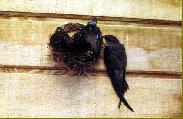
That chattering, whirring sound from your fireplace each summer? Its almost certainly not bats—its chimney swifts, remarkable aerial insectivores that have adapted to nesting in vertical masonry shafts. Identifying the
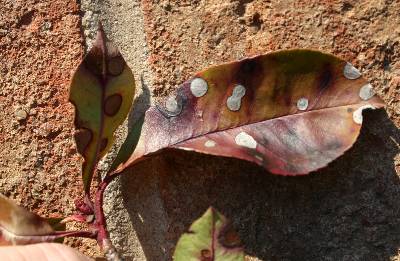
Preventing and Treating Photinia Leaf Spot
Red tip photinia (Photinia × fraseri) is prized for its vibrant new growth, but the fungal leaf spot Entomosporium mespili can devastate plantings. The disease thrives on the very feature that makes photinia attractive—i
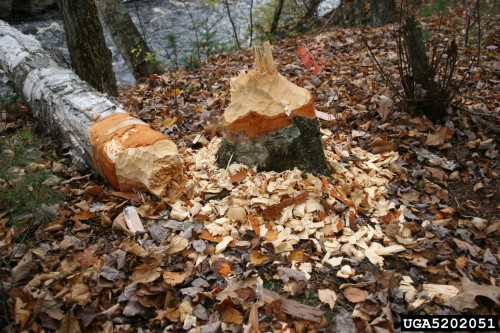
Managing Beaver Damage: Protection, Deterrence, and Removal
Beavers are increasingly common in suburban areas, where their dam-building and tree-cutting activities conflict with human landscapes. While they play vital ecological roles, their presence near homes requires thoughtfu
Purple Martins Don't Control Mosquitoes: The Evidence
Despite widespread belief, purple martins are not effective mosquito predators. A landmark study by the American Ornithologists Union analyzed over 200 martin stomachs collected throughout the U.S. and Canada across eigh
Do Purple Martins and Bats Really Control Mosquitoes?
The idea that purple martins or bats can significantly reduce mosquito populations is a persistent myth. While both creatures are valuable components of healthy ecosystems, scientific research consistently shows they do
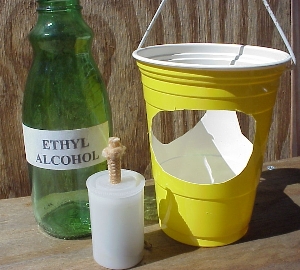
Effective Traps for Monitoring Asian Ambrosia Beetles
Asian ambrosia beetles have become a serious threat to ornamental trees across the Southeast, attacking healthy specimens of cherry, crape myrtle, Japanese maple, redbud, and many other species. These tiny pests bore int
Copyright © www.100flowers.win Botanic Garden All Rights Reserved