

Growing Magnolia from Seed: A Long Wait with Uncertain Results
Seed-grown magnolias may not resemble the parent (cross-pollination or genetic variation). It takes a decade to bloom. Better: buy a named cultivar like Little Gem (compact), Brackens Brown Beauty, or Claudia Wannamaker

Measuring Water Application for Hand-Watered Plants: Beyond the Tuna Can
Goal: moisten soil to root depth. Check with a trowel. A watering wand delivers ~5 gal/min. Estimate: small tomato = 1 gal/week; large tomato = 5 gal/week in heat. Soaker hoses are excellent: 1 gal/ft/hr (with flow restr
Why Amended Clay Soil Reverts Over Time and How to Maintain It Without Tilling
Compost decomposes: some erodes, some becomes humus (fine, nutrient-holding but compacts with clay). The soil reverts. Fix without tilling: annually spread 1 inch of composted cow manure under perennials/shrubs (keep off
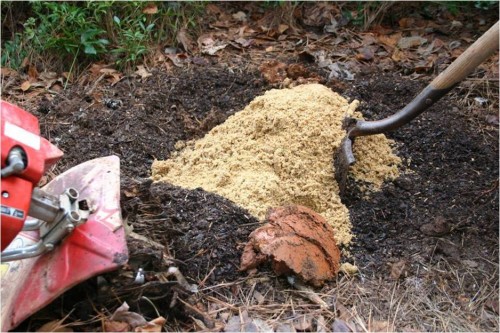
Preparing a New Flower Bed in Heavy Clay: A Step-by-Step Guide
Late Winter Method Dig when soil is damp; turn large clods over to kill grass/weeds. Let clods dry a few days, then break apart. Till (or hand-turn) to pulverize. Remove a wheelbarrow of soil; add 2 cu ft bag of soil co
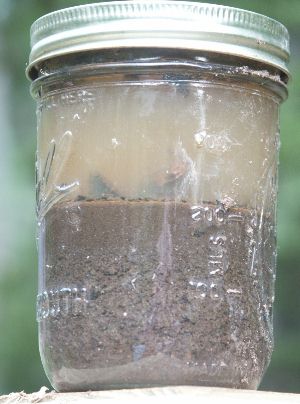
The Jar Test for Soil Texture: Identifying Sand, Silt, and Clay Layers
Shake soil with water in a jar; let settle for days. Layers from bottom to top: Sand (largest particles, settles first) Silt (middle) Clay (top, finest particles) 50% of the column, add organic matter and gritty sand (
Why Your Amaryllis Isn't Blooming: Planting Depth and Fertilization Tips
Leave Them in the Ground In north Georgia, amaryllis is marginally hardy. Instead of digging annually, leave bulbs in place with the neck exposed. Theyll emerge in April, feed all summer, and bloom the following May. Ca
Can You Grow an Avocado Tree Outdoors in Atlanta? Hardiness Zone Limitations
Atlanta is USDA Zone 7b. Avocados require Zone 9 (southern Florida). They will freeze outdoors. Keep your tree in a pot; pinch branch tips every 3 months to maintain a compact size for indoor/outdoor shifting.
Milky Spore for Japanese Beetle Grubs: Why It's Not a Silver Bullet
How It Works Milky spore (Bacillus popilliae) infects only Japanese beetle grubs, turning their hemolymph milky white. It does not affect June beetles, May beetles, or masked chafers. Limitations Requires high grub den
Planting by the Signs: Finding the Right Garden Almanac
The zodiac man illustration is a hallmark of Griers Almanac (770-395-6381), a Southern staple. The national Farmers Almanac (888-222-4276) also includes planting signs. Some gardeners swear by lunar phases; others prefer
Removing English Ivy from Trees: A Labor-Intensive but Necessary Task
Why Remove It? Ivy adds weight, catches wind/ice, and can shade out lower limbs. Its not a parasite, but its physical burden harms trees. Removal Technique Cut all vines at ground level with loppers or a pruning saw. U
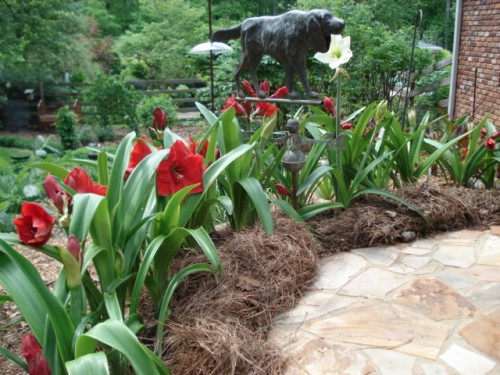
Planting Amaryllis Outdoors: Holiday Bulbs Can Perennialize with Care
Two Types, Different Hardiness Garden amaryllis (Hippeastrum × johnsonii): Hardy in most Atlanta winters. Holiday amaryllis (large-flowered hybrids): Less hardy; best dug in fall and stored like dahlias. Keys to Succe
Growing Agapanthus (Lily of the Nile) in Georgia: Container Culture Recommended
Agapanthus is not reliably hardy in Atlanta winters. Best practice: grow in a large pot, move indoors when nights drop below 50°F. Strap-like leaves resemble amaryllis; blue or white flower umbels appear on tall stems in
Citrosa Geranium: Does It Really Repel Mosquitoes?
Citrosa is a scented geranium (Pelargonium Citrosa). Its oils are 40–60% as effective as DEET when rubbed on skin, but the plant itself does not create a protective zone. A pedestal fan works far better. Lemon balm actua
Growing Citrus Indoors: Why Seed-Grown Oranges Rarely Fruit
Seed-grown oranges need a long, warm season to fruit (3+ years). In short-season climates (e.g., Blairsville, GA), indoor light is insufficient for flowering. Better choices for containers: Meyer or Ponderosa lemon Cala
Cast Iron Plant (Aspidistra): Tough, Shade-Loving, and Easy to Divide
Aspidistra (Aspidistra elatior)—bar room plant—tolerates deep shade and neglect. It grows from rhizomes, not bulbs. To propagate, dig a clump and separate individual plants. Plant outdoors in a protected spot (like a fou
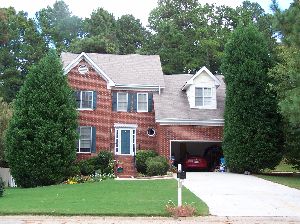
Managing Overgrown Leyland Cypress: Why Topping Doesn't Reduce Width
Leyland cypress can be topped to limit height, but it will not regrow from brown wood. Width reduction is impossible. If green needles exist only at branch tips, cutting back leaves a dead framework. The practical soluti
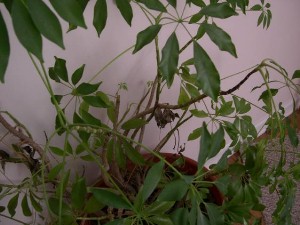
Schefflera Losing Leaves? Low Light Is Likely the Culprit
Scheffleras need bright light. In low light, leaves become thin, stretched, and drop. Move to a sunnier spot or add a fluorescent light within 12 inches of foliage. Measure indoor light levels to ensure adequacy.
Watering African Violets: The Bottom-Up Method to Prevent Leaf Spots
Check soil weekly by finger. Water from below: set pot in a shallow tray of water (with fertilizer if desired) for 30 minutes. This avoids cold water on leaves, which causes spotting. Every 6 months, water heavily from a
Preserving Basil: Drying and Microwave Methods for Winter Use
Air-dry: Pull plants before frost, hang in a cool, dark place until leaves crumble. Store in airtight jar. Microwave: Place leaves between paper towels; heat in 1-minute intervals until crisp. Store in dark jar to preser
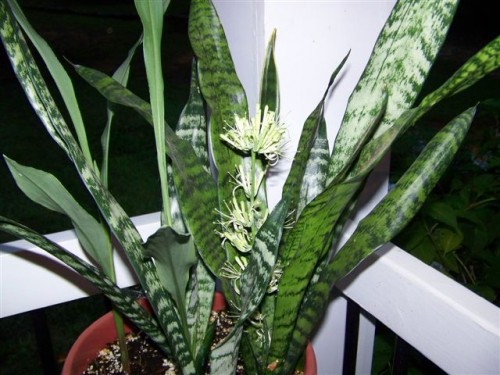
Diagnosing Yellow Spots on Corn Plant (Dracaena): Possible Fungal Issue
Oval yellow spots with dark centers suggest a fungal leaf spot. Corn plants (Dracaena fragrans) are also sensitive to fluoride in tap water, which causes tip burn. For diagnosis and treatment, consult the Penn State fact
Copyright © www.100flowers.win Botanic Garden All Rights Reserved