
Bucket Gardening: Growing Vegetables in 5-Gallon Buckets
Gardening in five-gallon buckets is an excellent way to grow vegetables when space is limited. With a few simple preparations, you can turn ordinary buckets into productive mini-gardens for lettuce, broccoli, peppers, to

Why Cedar Trees Grow Along Fence Lines: The Role of Birds
The scientific term is endozoochory—seed dispersal via animal ingestion and defecation. Birds eat the blue-green berries of eastern red cedar (Juniperus virginiana) and later perch on fence wires, depositing the seeds in
Eliminating Cigarette Beetles from Your Pantry: A 5-Step Plan
Identify the Pest Cigarette beetles (Lasioderma serricorne) or drugstore beetles (Stegobium paniceum) are tiny, brownish-black, hard-shelled insects that infest dry goods—cereal, spices, pet treats, etc. They often enter
Shallots vs. Green Onions: Understanding the Difference
According to garden author Felder Rushing, shallots (Allium cepa var. aggregatum) are a distinct multiplier onion. Key differences: Flavor: Milder, more delicate than onions. Growth habit: Each bulb produces 6–10 shoots
Can Florist Hydrangeas Thrive in the Garden?
Florist hydrangeas (Hydrangea macrophylla cultivars like Mathilda Gutges, Enziandom, Leuchtfeuer) are bred for short, sturdy stems and massive blooms—ideal for shipping and indoor display. Their cold hardiness in Atlanta
Debunking the Beer-and-Ammonia Lawn Tonic Myth
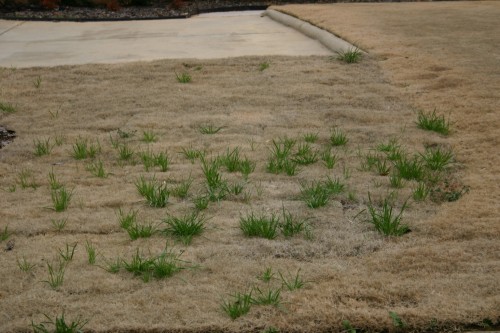
The Recipe and Why It Fails The concoction—ammonia, lemon dish soap, beer, and Coke—contains tiny nuggets of truth but is functionally useless: Ammonia provides nitrogen, but it evaporates before plants can absorb it. D
Managing Iris Leaf Spot: Identification and Control
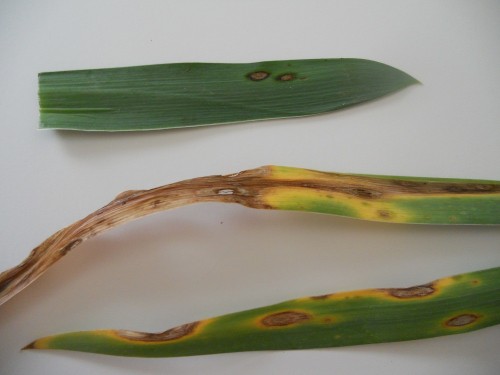
Symptoms and Cycle Iris leaf spot (caused by Didymellina macrospora) appears as small brown spots with water-soaked borders. Spots coalesce, killing the upper leaf. The fungus overwinters on dead foliage and spores sprea
Graywater vs. Caught Water: What's the Difference for Garden Irrigation?
Definitions Matter Graywater has passed through a drain—bathtub, shower, washing machine, bathroom sink. Plumbing codes strictly regulate its collection and reuse. Caught water is intercepted before it enters the drain—e
Establishing a Dog-Friendly Lawn: Sod Over Seed for High Traffic
The Problem with Seeding Bermudagrass seed germinates quickly but cannot withstand the constant pounding of two large dogs. The young seedlings will be destroyed before they establish a resilient sod. Recommended Strate
Why Weed-and-Feed Products Fall Short for Lawn Care
Three Fundamental Flaws Poor timing. Pre-emergent combos are applied too early for warm-season grasses; post-emergent combos are applied too late for fescue. One-size-fits-all. Lawn conditions vary widely—soil type, gra
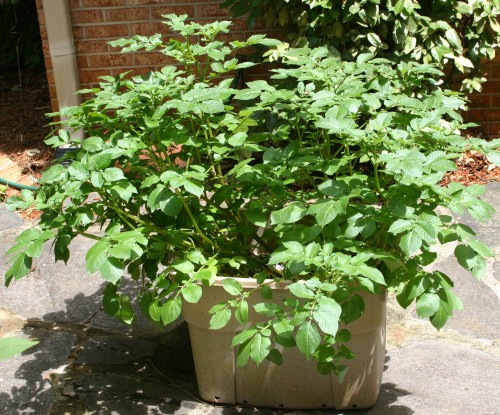
Growing Potatoes in a Stack of Tires: A Space-Saving Method
Step-by-Step Guide Prepare the base. Deeply dig a 2×2 ft area; mix in ¼ cup of 6-12-12 or 5-10-15 fertilizer. Place the first tire. Set an old automobile tire on its side over the prepared spot. Plant seed potatoes. Cut
Fertilizing Young Trees: When and How to Apply for Optimal Growth
Do You Even Need to Fertilize? Ornamental trees only require fertilizer if you want them to grow larger. If a tree has reached its desired size and you fertilize the surrounding lawn, additional feeding is unnecessary.
Importing Plants from Overseas: Regulations and Risks
Bringing plant material into the U.S. from abroad is tightly regulated to prevent the introduction of pests, diseases, and invasive species. The USDA Animal and Plant Health Inspection Service (APHIS) requires permits, p
Why Utility Company Lawn Repairs Look So Good: The Secret Is Soil Preparation
No Magic Seed Mix Utility companies dont use a special all-season grass blend. They simply match the existing turf—usually tall fescue in Atlanta—and sow seed or lay sod over the excavated area. The Real Key: Disturbed
Pruning Red Tip Photinia: Avoid Shearing to Prevent Leaf Spot
The History of a Southern Staple Thirty years ago, red tip photinia (Photinia × fraseri) was the hedge of choice across the Southeast. Winter shearing produced brilliant red spring growth—but also created a monoculture t
Best Ground Covers to Replace Invasive English Ivy
Why Remove English Ivy? Theresa Schrum of the Georgia Native Plant Society calls English ivy English kudzu for its ability to smother landscapes, climb trees, and resist control. Once removed, the soil should be loosened
Kochia: An Ornamental Turned Invasive Weed
From Garden Favorite to Problem Plant Kochia (Bassia scoparia), once popular for its feathery foliage and use in hedge rows, has escaped cultivation and become a troublesome weed across many U.S. regions. Like English iv
Transplanting Lady's Slipper Orchids: A Delicate Operation
Why Its Risky Ladys slippers (Cypripedium spp.) rely on specific soil fungi (mycorrhizae) to germinate seeds and absorb nutrients. Disturbing the root zone often severs this vital partnership, leading to transplant failu
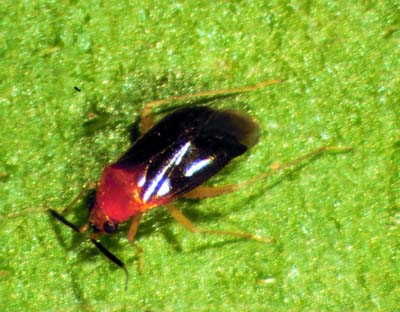
Azalea Plant Bug: The Tiny Red Insect That Bites Gardeners
Identifying the Culprit If youve been bitten by a minuscule, bright-red insect while pruning azaleas in late April or early May, youve likely encountered the azalea plant bug (Rhinocapsus vanduzeei). About three-sixteent
Why Hostas Lose Their Variegation and How to Restore It
Understanding Hosta Viridescence Many gardeners notice that their variegated hostas—once sporting crisp white margins—gradually turn solid green over the years. This phenomenon, called viridescence, is not caused by nutr
Copyright © www.100flowers.win Botanic Garden All Rights Reserved