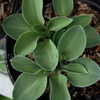


Walking Iris (Neomarica gracilis): The "Hanging Iris" You Were Given
Your friends hanging iris is almost certainly Neomarica gracilis, aka walking iris or apostles iris. Flower stems droop, root at tips, walking the plant. Leaves and flowers resemble iris-orchid hybrids. Treat as tender p

Growing Edible Bananas in Containers: Varieties and Winter Care
Bananas need 12 months from sucker to harvest. Bring the whole plant in before frost. Cavendish and Raja Puri are best for containers. Heavy feeding, constant moisture, and a strong back required. Key Points No pollina
Relocating Trapped Squirrels: Often a Death Sentence
Releasing squirrels in unfamiliar territory usually kills them—no known food, shelter, or predator awareness. Georgia DNR allows verbal permits for nuisance relocation with landowner permission, but biologists warn its o
Water-Holding Tree Crotch: Leave It Alone, Manage Mosquitoes
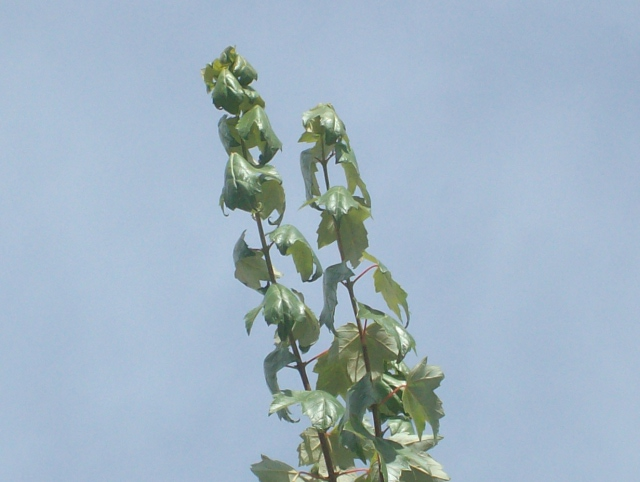
A deep crotch holding water in your maple isnt a rot risk—trees have defenses for this. Removing a limb does more harm. The real issue: mosquitoes. Simple Fix 24 hours, add mosquito larvicide (Mosquito Dunks/Bits). Its
Growing Cotton in Georgia: Legal Restrictions Protect the Industry
You need a permit from the Georgia Department of Agriculture to grow cotton—even ornamentally. Only educational/historical groups typically qualify. The reason: boll weevil eradication cost $720M and relies on monitoring
Joseph's Coat: Which One Do You Have? Identification Guide
Josephs Coat names several plants. Most likely you have Alternanthera ficoidea—a tropical perennial grown as an annual in Atlanta. It forms 6–12 inch mounds, 12 inches wide, with colorful foliage. Other Possibilities A
Weed Fabric vs. Newspaper: Neither Is a Permanent Fix for Bermudagrass
Both weed fabric and newspaper (10 sheets thick) suppress bermudagrass temporarily. But both require annual maintenance. The Hidden Work Fabric: Bermudagrass eventually grows through. Mulch on top decomposes into soil
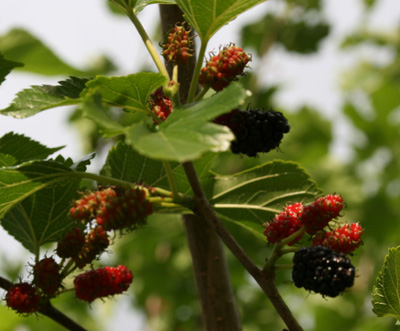
Mulberry Tree: Birds Love It, Cars Hate It
Before rooting a branch, check for seedlings under the parent tree—easier than cuttings. But consider: mulberries are messy. Birds eat fruit, then decorate your vehicles. Wild fruit is bland; cultivated varieties are swe
Equisetum (Scouring Rush): Living Fossil for Contained Gardens
Your equiseedem is Equisetum, likely dwarf scouring rush. This ancient plant—sole survivor of its class—pre-dates dinosaurs. Its striking but invasive in wet soils. Container Culture Is Essential Plant in a bottomless 3
Epicormic Sprouts on Dogwood: Stress Response, Not Virus
Leaves sprouting from the trunk arent a virus—theyre epicormic buds awakening from drought stress. Most broadleaf trees have these dormant buds under the bark. Severe pruning or root loss can also trigger them. What to
Siberian Iris Foliage: Don't Cut It—Camouflage It
Those messy summer leaves are next years flower factory. Cutting green foliage starves the rhizomes. Instead, plant companions that peak as iris fades. Perfect Partners Coneflower, black-eyed Susan, and daylilies hide d
Allamanda, Mandevilla, Dipladenia: Tropical Vines for Seasonal Color
All three are stunning tropicals that wont survive Georgia winters outdoors. Heres how they differ: Allamanda Vining habit with yellow, pink, or red trumpet flowers. Needs support. Mandevilla (Mandevilla splendens) Cla
Drying Summer Flowers: Hydrangea, Zinnia, Yarrow and More
Preserving summer blooms extends their beauty into winter. Two excellent university guides cover the techniques comprehensively: Recommended Resources Auburn University: Drying and Preserving Flowers and Plant Material
Repairing Termite Barrier After Planting Near Foundation
Planting within 12 inches of the foundation risks breaking the termiticide barrier. If you dug farther out, the barrier is likely intact. If closer—or uncertain—heres how to restore it yourself. DIY Barrier Repair Choo
Why Pre-Emergent Failed Against Henbit—and When to Apply Next Time
Three Common Failure Points Wrong product: Used grassy-weed pre-emergent instead of broadleaf. Late application: Applied after mid-September when henbit/chickweed already sprouted. No watering in: Failed to irrigate aft
Multi-Graft Fruit Trees: "Fruit Salad" Trees Explained
A fruit salad tree grafts multiple compatible varieties onto one rootstock. Its real horticulture, not a gimmick—practiced for centuries. Compatibility Rules Stone fruits: Peach, plum, nectarine, apricot on peach or pl
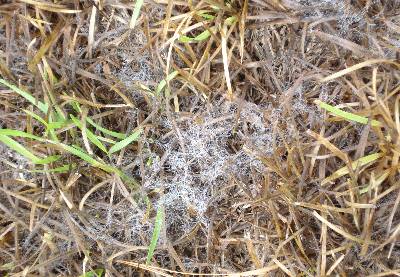
Centipedegrass Failure: Late Sodding and Overwatering
Two mistakes doomed this lawn: sodding centipedegrass in October (too late for root establishment before winter) and watering frequently and lightly—exactly what centipede hates. What Went Wrong October sodding: Roots
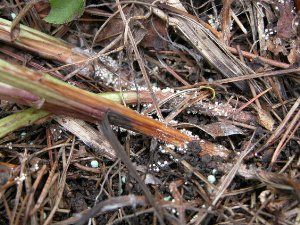
Southern Blight on Black-Eyed Susan: Diagnosis and Soil Management
The blackened stems and sudden collapse of your black-eyed Susans (Rudbeckia) point to Southern blight (Rhizoctonia solani), a soil-borne fungus that rots stems at the soil line, especially in wet, poorly drained conditi
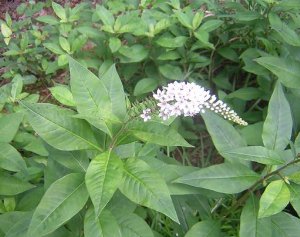
Gooseneck Loosestrife (Lysimachia clethroides): Beautiful but Aggressive
Those graceful, arching white flower spikes identify gooseneck loosestrife (Lysimachia clethroides). Its undeniably pretty—but in favorable conditions, it spreads aggressively by rhizomes, forming dense colonies that cro
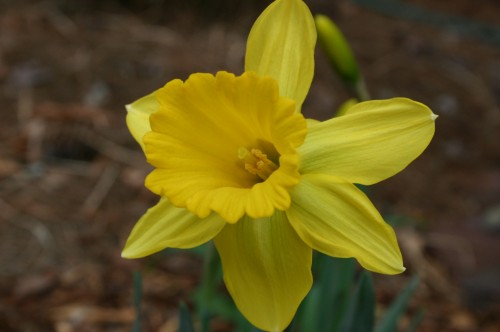
Early Daffodil Foliage: No Protection Needed
Seeing daffodil leaves in January is startling, but the plants are fine. Bulb foliage is remarkably cold-hardy; only the flower bud (if emerged) is at risk. Why Theyre Safe Leaves contain natural antifreeze proteins. S
Copyright © www.100flowers.win Botanic Garden All Rights Reserved