


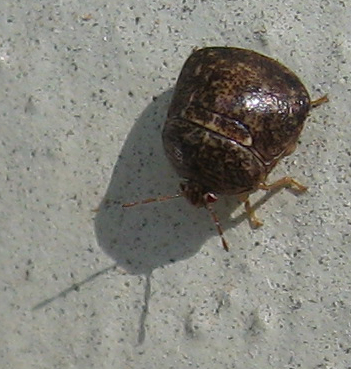
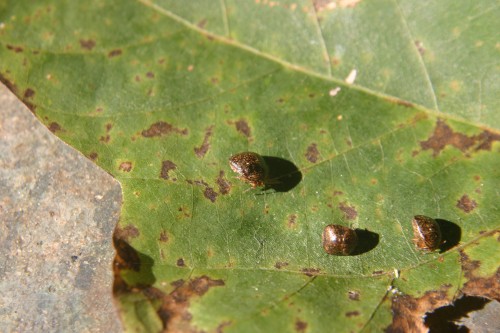
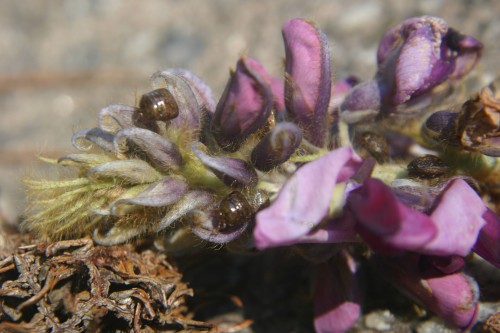
The kudzu bug (Megacopta cribraria), also called globular stink bug, arrived in Georgia around 2009, likely on imported plant material. While it feeds on its namesake kudzu, it also attacks soybeans, wisteria, and—as you've discovered—fig trees.
As a legume feeder, kudzu bug threatens soybean crops. Its broad host range (kudzu, wisteria, fig, soybeans) makes it a significant emerging pest. However, its appetite for kudzu provides some biological control benefit for that invasive vine.
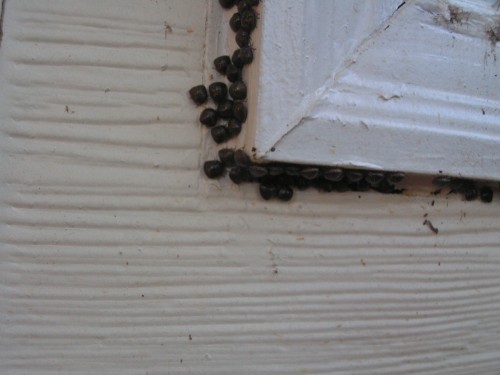
In fall, adults seek overwintering sites—often invading homes by the thousands through cracks around windows, doors, and siding. They don't bite or damage structures but create significant nuisance.
Why Your Fig Tree Grows Only Vertical Shoots and How to Encourage Fruiting Branches
Fig Tree Not Fruiting After Severe Pruning
Fig Cutting With Unlobed Leaves: Normal Juvenile Variation
Kudzu Bugs on Houses: Same Treatment as Stink Bugs
Growing Kudzu Indoors: A Challenging but Possible Project
Fig Sap Sensitivity: A Real and Painful Phototoxic Reaction
Replacing Kudzu-Bug-Infested Wisteria: Best Alternative Vines
Creeping Fig: A Tidy Vine for Walls and Steps
Chinch Bug Detection and Control in St. Augustine Grass
Rabbit Damage on Fig: Low Browsing, Partial Girdling
Wheel Bug: Beneficial Predator with a Painful Bite
Azalea Plant Bug: The Tiny Red Insect That Bites Gardeners
Fig Tree Winter Dieback: Break the Prune-Freeze Cycle
Scarlet Assassin Bug: Beneficial Predator of Japanese Beetles
Copyright © www.100flowers.win Botanic Garden All Rights Reserved